
Managing the growth and longevity of these charming perennials requires a delicate balance of environmental control and attentive maintenance. Gardeners often value them for their profuse blooming habit and the delicate, spurred flowers that adorn their cascading stems throughout the warmer months. To ensure they reach their full aesthetic potential, one must understand the specific biological needs that dictate their development within a domestic landscape. This comprehensive guide explores the nuances of maintaining a healthy and vibrant display from the early spring through the late autumn.
Understanding the plant nature
The fundamental character of this species is rooted in its origin, which influences how it responds to various cultivation techniques used in modern gardens. These plants are essentially short-lived perennials, though many enthusiasts treat them as annuals due to their sensitivity to extreme temperature fluctuations. A successful approach begins with acknowledging that their growth habit is naturally spreading or trailing, making them ideal for containers and borders. By respecting their botanical heritage, a grower can anticipate their needs and provide a more stable environment for sustained health.
The growth cycle typically accelerates as the days lengthen and the soil begins to warm in the spring season. During this phase, the plant focuses on establishing a robust root system capable of supporting its eventual floral bounty. Observation is key during the first few weeks, as the foliage should remain a vibrant green without any signs of yellowing or wilting. Maintaining a consistent environment during this early stage sets the foundation for a resilient plant that can withstand the stresses of the summer heat.
One must also consider the genetic diversity within the various cultivars available on the market today. Some varieties are bred for a more upright habit, while others are specifically developed to trail gracefully over the edges of hanging baskets. Understanding which type you possess will dictate how you arrange them in your garden beds or containers for maximum visual impact. This distinction is vital because it influences the airflow around the base of the plant, which is a critical factor in preventing moisture-related issues.
Lastly, the overall vigor of the plant is often a reflection of the gardener’s ability to provide a stress-free transition from the nursery to the final planting site. Sudden changes in light intensity or temperature can lead to transplant shock, which temporarily halts growth and may diminish the first flush of flowers. Gradual acclimation is the preferred method for ensuring that the specimen remains productive and healthy. Taking the time to properly introduce the plant to its new home pays dividends in the form of a more lush and continuous floral display.
More articles on this topic
Substrate and root environment
The composition of the soil serves as the primary source of life for the root system, dictating how efficiently nutrients and water are absorbed. A high-quality, well-draining potting mix is absolutely essential because these plants are particularly susceptible to root rot in waterlogged conditions. Adding organic matter, such as well-rotted compost or peat moss, can significantly improve the structure of the substrate while providing a slow release of essential elements. A slightly acidic to neutral pH range is generally considered optimal for ensuring that micronutrients remain available to the plant.
In addition to drainage, the physical texture of the soil should allow for adequate aeration so that oxygen can reach the roots. Compaction is a common enemy in older garden beds or when using low-quality bagged soils that break down too quickly over time. Incorporating perlite or coarse sand can help maintain a porous structure that facilitates healthy root respiration and expansion. When the roots have enough space to grow without restriction, the upper parts of the plant respond with increased vigor and more frequent blooming.
Container gardening presents unique challenges regarding the root environment that require specific attention to detail. Because the volume of soil is limited, the buffer against temperature changes and moisture loss is much smaller than in open ground. Selecting the right pot size is crucial; a container that is too small will cause the plant to become root-bound quickly, leading to stunted growth. Conversely, a pot that is too large may hold excess moisture in the center, which the roots cannot reach or process effectively.
Regularly checking the condition of the soil throughout the growing season helps in making necessary adjustments before problems arise. If the substrate starts to pull away from the edges of the pot, it may have become hydrophobic, requiring a deep soak to rehydrate properly. On the other hand, a mossy or green surface may indicate that the soil is staying too damp for too long. By maintaining a vigilant eye on the medium in which the plant grows, you ensure the long-term success of your horticultural endeavors.
More articles on this topic
Optimal microclimate conditions
Creating the right atmosphere involves more than just planting in a sunny spot; it requires an understanding of how air movement and humidity interact. While these plants enjoy bright light, they can struggle in stagnant air where humidity levels rise too high during the night. Good ventilation helps to dry the foliage after rain or irrigation, which is a major factor in preventing the spread of fungal pathogens. Placing them in a location with a gentle breeze can be beneficial, provided the wind is not so strong that it causes physical damage to the delicate stems.
Temperature plays a significant role in the plant’s metabolic rate and its ability to produce new flower buds. They generally thrive in cooler summer climates or in areas where the nights offer a reprieve from the daytime heat. If temperatures consistently soar above thirty degrees, the plant might temporarily stop flowering as it shifts its energy into survival mode. Providing some light afternoon shade during the hottest weeks can help mitigate this heat stress and encourage the plant to continue its decorative cycle.
The relationship between the plant and its immediate neighbors also affects the microclimate within the garden bed. Planting them too closely together can restrict airflow and create a pocket of high humidity near the soil surface. Space them according to their expected mature width to allow for a natural spread without overlapping too densely with other species. This spatial management not only improves the health of the individual plants but also creates a more balanced and visually appealing garden composition.
Seasonal shifts require the gardener to be proactive in managing the microclimate as the year progresses. In the early spring, protecting young plants from late frosts is vital, perhaps by using a light horticultural fleece or moving containers to a sheltered spot. As autumn approaches, the cooling air can bring about a second flush of vigorous growth if the plant has been well-maintained. Adjusting your care routine to match these environmental changes ensures that the plant remains a highlight of the landscape for as long as possible.
Enhancing the blooming cycle
The primary appeal of these plants lies in their ability to produce a seemingly endless supply of colorful blossoms. To sustain this energy-intensive process, the plant requires a steady supply of energy and regular intervention from the gardener. Removing faded flowers, a process known as deadheading, prevents the plant from diverting its resources into seed production. This simple task encourages the development of new buds and keeps the overall appearance of the specimen tidy and fresh.
In mid-summer, it is not uncommon for the stems to become somewhat leggy or for the flowering to diminish slightly. When this occurs, a light shearing can stimulate a fresh wave of growth from the base and the leaf axils. Cutting back the stems by about a third provides a rejuvenating effect that often results in a more compact and floriferous habit within a few weeks. This practice is especially useful for plants grown in hanging baskets where a full, mounded shape is desired.
Nutritional support is another critical pillar in the quest for a continuous and vibrant floral display. While they are not overly heavy feeders, a balanced liquid fertilizer applied every two weeks provides the necessary phosphorus for bloom development. Avoid over-using high-nitrogen fertilizers, as this can lead to excessive green foliage at the expense of the flowers. Finding the right balance ensures that the plant has the building blocks it needs without becoming overly lush and susceptible to pests.
Lastly, the duration of the blooming period is heavily influenced by the plant’s hydration levels during the peak of summer. Water stress can cause the buds to drop before they even have a chance to open, leading to gaps in the floral coverage. Ensuring that the soil remains consistently moist but not saturated is the best way to support the metabolic demands of flowering. A well-hydrated plant is far more likely to maintain its beauty even when environmental conditions are less than ideal.
Companion planting and aesthetics
Integrating these plants into a larger garden design requires a thoughtful consideration of color, texture, and growth habits. They pair exceptionally well with plants that have silver or grey foliage, which provides a neutral backdrop that makes the vibrant flowers pop. Consider using them alongside species like lavender or artemisia to create a sophisticated and layered look in a sunny border. The contrast in leaf shape and color adds visual interest even during the brief periods when the twinspur is between flowering flushes.
From a structural perspective, their trailing nature makes them excellent companions for more upright, architectural plants. Placing them at the base of taller perennials like salvia or ornamental grasses creates a sense of depth and fullness in the garden. This “filler” role is essential for hiding the bare stems of taller plants and for softening the edges of hard landscaping features like stone walls or paved paths. The visual flow created by these combinations contributes to a more professional and harmonious garden aesthetic.
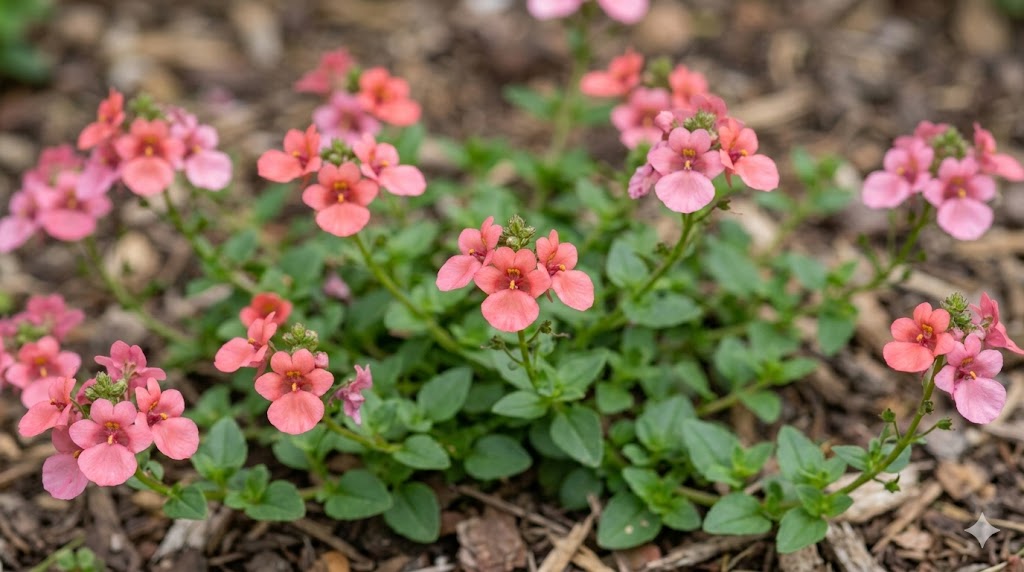
Color coordination is another area where a gardener can express their creativity through thoughtful pairings. Twinspurs come in a range of shades from soft pinks and corals to deep oranges and reds, allowing for both monochromatic and contrasting schemes. Pairing orange varieties with purple companion plants creates a high-energy, vibrant look that draws the eye from a distance. For a more serene atmosphere, mixing soft pink flowers with white or pastel blue neighbors produces a calming and elegant effect.
The versatility of these plants extends to their use in various styles of gardening, from formal containers to wilder, cottage-style beds. In a formal setting, they can be mass-planted to create a uniform carpet of color that defines the geometry of the space. In a cottage garden, they can be allowed to mingle more freely with other species, weaving through the landscape in a more naturalistic way. Regardless of the style, their presence adds a touch of delicacy and charm that few other plants can match.
Common maintenance pitfalls
One of the most frequent mistakes made by novice gardeners is over-watering, which quickly leads to the decline of the root system. It is easy to assume that more water is always better, especially during hot weather, but saturated soil prevents the roots from taking in oxygen. The symptoms of over-watering often mimic those of dehydration, leading the gardener to add even more water and worsening the problem. Learning to feel the weight of a pot or checking the moisture levels an inch below the surface can prevent this common tragedy.
Neglecting the nutritional needs of the plant is another pitfall that can lead to a disappointing performance. While they are resilient, they cannot produce a high volume of flowers indefinitely without some form of supplemental feeding. If the lower leaves begin to turn yellow or the new growth is noticeably thin and weak, it is often a sign that the plant has exhausted the nutrients in its soil. A consistent feeding schedule, tailored to the specific needs of the variety, is essential for maintaining vitality throughout the entire season.
Pest management is often overlooked until the damage is already significant enough to be visible from a distance. Aphids and spider mites are the most common visitors, and they can quickly colonize the tender new growth and flower buds. Regularly inspecting the undersides of leaves and the tips of stems allows for early detection and easier control using organic or less toxic methods. Ignoring these small signs can lead to a major infestation that weakens the plant and ruins its aesthetic appeal.
Finally, failing to provide enough light is a mistake that results in a spindly, unattractive plant with very few flowers. Even though they can tolerate some partial shade, they truly need several hours of direct sunlight to maintain their compact form and produce energy for blooming. If a plant looks like it is “stretching” toward a light source, it is a clear indication that it needs to be moved to a brighter location. Correcting the light levels early in the season is the best way to ensure a healthy and attractive specimen.
Longevity and vitality strategies
To maximize the lifespan and health of your plants, it is beneficial to think about their needs in terms of long-term sustainability. While many treat them as disposable, those living in milder climates can often enjoy them for several years with the right care. This involves a commitment to regular monitoring and a willingness to adapt your practices as the seasons change. A plant that is well-cared for will not only look better but will also be more resistant to environmental stressors and diseases.
One strategy for maintaining vitality is to periodically refresh the soil in containers or to top-dress garden beds with fresh compost. This replenishes the organic matter and improves the soil structure, providing a renewed environment for root growth. Even if you are not fully repotting, removing the top layer of old soil and replacing it with a nutrient-rich mix can provide a noticeable boost to the plant’s vigor. This practice is particularly effective in the early spring as the plant begins its most active growth phase.
Observation remains the most powerful tool in a gardener’s arsenal when it comes to long-term success. Spending a few minutes each day among your plants allows you to notice subtle changes in color, texture, or growth rate. These early warnings often provide the opportunity to fix a minor issue before it becomes a major problem that requires drastic intervention. A proactive approach to gardening is always more effective than a reactive one, especially with delicate species like these.
Ultimately, the goal of these care practices is to foster a deeper connection between the gardener and the natural world. Seeing a plant thrive under your care provides a sense of accomplishment and brings a unique beauty to your living space. By following these professional guidelines, you can ensure that your display remains a source of joy and pride for many seasons to come. The effort invested in proper maintenance is always reflected in the abundance and quality of the blooms you receive in return.