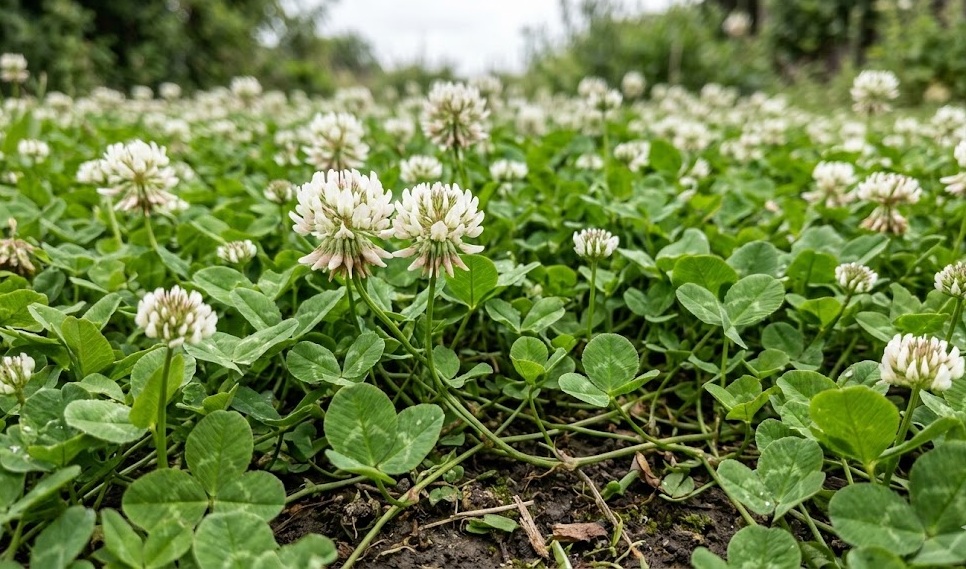

Preparing a stand of white clover for the winter months is a critical task that determines the vigor of the crop in the following spring. Although this species is categorized as a hardy perennial, extreme cold and fluctuating temperatures can still cause significant damage to the sensitive creeping stolons. The process of overwintering involves a complex series of physiological changes within the plant that must be supported by proper management. A professional grower understands that winter survival is not just a matter of luck but the result of careful preparation.
As the days shorten and temperatures drop, the clover begins to shift its energy from leaf production to root storage. This accumulation of carbohydrates is essential for providing the energy needed to restart growth when the weather warms up again. Managing the stand during the autumn to maximize these reserves is the first step in a successful overwintering strategy. This article details the professional techniques and biological processes involved in protecting white clover during the coldest months of the year.
Physiological hardening and cold adaptation
The process of cold hardening is a gradual adaptation that occurs as the plant is exposed to decreasing temperatures in the late autumn. During this time, the plant increases the concentration of sugars and other solutes within its cells, which acts as a natural antifreeze. These changes lower the freezing point of the cell contents and protect the delicate cell membranes from being ruptured by ice crystals. For this process to be successful, the plant must be in a state of good health and have adequate mineral nutrition.
A professional grower can support this natural hardening by gradually reducing the frequency of mowing and irrigation as winter approaches. This signals to the plant that the growing season is coming to an end and that it should prioritize energy storage. Avoid applying high-nitrogen fertilizers late in the season, as this can stimulate new, tender growth that is highly vulnerable to frost. Instead, ensuring that the soil has adequate potassium can help enhance the plant’s natural cold tolerance.
The creeping stolons are the most vulnerable parts of the plant because they are located right at the soil surface. Protecting these horizontal stems is the primary goal of any overwintering strategy for this species. If the stolons are killed by the cold, the plant will have to restart growth from the crown, which is a much slower process. A healthy and well-hardened stand of stolons ensures a rapid green-up and high productivity in the early spring.
More articles on this topic
Environmental factors, such as the rate of temperature change, can influence the effectiveness of the hardening process. A sudden, severe frost following a warm period can be much more damaging than a gradual transition to sub-zero temperatures. Growers should monitor local weather forecasts and be aware of the risks associated with these rapid fluctuations. Understanding the biological limits of the clover allows for more informed management decisions during the critical autumn transition.
The protective role of snow and mulch
Snow cover is one of the most effective natural insulators for a stand of white clover during the winter months. A consistent layer of snow protects the soil surface from extreme temperature swings and prevents the ground from freezing too deeply. Under the snow, the temperature remains relatively stable and often stays just above the point where tissue damage occurs. For this reason, maintaining a level surface that holds snow evenly is a beneficial practice for long-term survival.
In areas where snow cover is unreliable, the risk of winterkill increases significantly as the plants are exposed to the full force of the wind and cold. Desiccation, or drying out, is a major cause of winter damage, as the cold wind can pull moisture from the leaves and stolons while the roots are unable to replenish it from the frozen soil. In these conditions, leaving the clover canopy slightly taller in the autumn can help trap more snow and provide a small amount of wind protection.
In some specialized or high-value applications, a light layer of organic mulch or specialized winter blankets can be used to provide additional insulation. This is often done for young stands that have not yet developed a robust root system or for particularly sensitive varieties. The mulch must be applied after the ground has started to cool but before the first severe freeze. Care must be taken to remove these covers in the early spring to prevent the plants from smothered or overheated as growth resumes.
More articles on this topic
Managing the accumulation of debris and fallen leaves from nearby trees is also an important part of winter care. While a small amount of litter can provide some protection, a thick layer of wet leaves can cause localized rot and encourage fungal pathogens. A professional grower ensures that the stand is clean and that the protective covers are managed to provide the maximum benefit with the minimum risk. This thoughtful approach to winter insulation significantly improves the survival rate of the crop.
Root protection and moisture management
The survival of the root system is paramount for the long-term health of the stand, as it is the source of all new growth in the spring. Protecting the roots involves maintaining a healthy soil structure that resists deep freezing and prevents the formation of ice lenses. Soil that is rich in organic matter tends to hold more heat and provides a better-buffered environment for the subterranean parts of the plant. A well-nourished root system is also physically stronger and better able to withstand the stresses of the winter season.
Managing soil moisture during the transition into winter is a delicate balance that requires careful observation. If the soil is too dry, the plants may suffer from desiccation, but if it is too wet, the risk of crown rot and ice damage increases. Ideally, the soil should have a moderate amount of moisture as the ground begins to freeze. Proper drainage is essential for ensuring that excess water from melting snow or winter rain does not sit on the field and cause anaerobic conditions.
Heaving is a physical process where the repeated freezing and thawing of the soil pushes the plants out of the ground. This can expose the roots and crowns to the cold air and can physically snap the delicate connections between the roots and stolons. Heaving is most common in heavy clay soils and in areas with poor drainage and inconsistent snow cover. A professional grower addresses this risk through soil amendments and by maintaining a dense cover that helps stabilize the soil surface.
Avoiding physical traffic on the stand when the ground is frozen or partially thawed is a mandatory rule for professional management. Foot traffic or heavy machinery can crush the brittle stolons and compact the soil, making it difficult for the roots to breathe and grow. These physical wounds can also serve as entry points for opportunistic pathogens during the winter and early spring. Respecting the plant’s dormant period ensures that the structural integrity of the stand remains intact throughout the winter.
Monitoring spring recovery and vitality
The success of the overwintering strategy is finally revealed as the temperatures begin to rise and the days lengthen in the spring. A healthy stand will show signs of new growth from the stolons and crowns as soon as the soil reaches a certain temperature. Early greening is a positive sign that the plant’s carbohydrate reserves were sufficient and that the winter damage was minimal. A professional grower monitors this recovery closely to determine if any intervention, such as overseeding or fertilization, is needed.
Spring is a vulnerable time because the plants are using up their stored energy before they have fully established their photosynthetic capacity. Late spring frosts can be particularly damaging to the tender new growth and can set the recovery back by several weeks. If a late frost occurs, it is important to avoid mechanical intervention until the plants have had a chance to recover. Patience is often the best approach during the unpredictable transition from winter to spring.
Clearing away any winter debris and dead foliage helps to open the canopy to light and warmth, stimulating faster growth. This is also the ideal time to assess the overall density of the stand and look for any patches that may have been lost to winterkill. If necessary, a light application of a balanced fertilizer can help support the rapid expansion of the new stolons. This early season care is the final step in the overwintering process and sets the stage for a productive growing year.
Documenting the winter survival of different varieties and the effectiveness of various management practices provides valuable data for the future. Over time, a professional grower develops a deep understanding of how their specific site reacts to the winter season. This knowledge allows for the refinement of the overwintering plan, making the operation more resilient and efficient. A commitment to long-term observation and adjustment is the hallmark of expert agricultural and horticultural management.