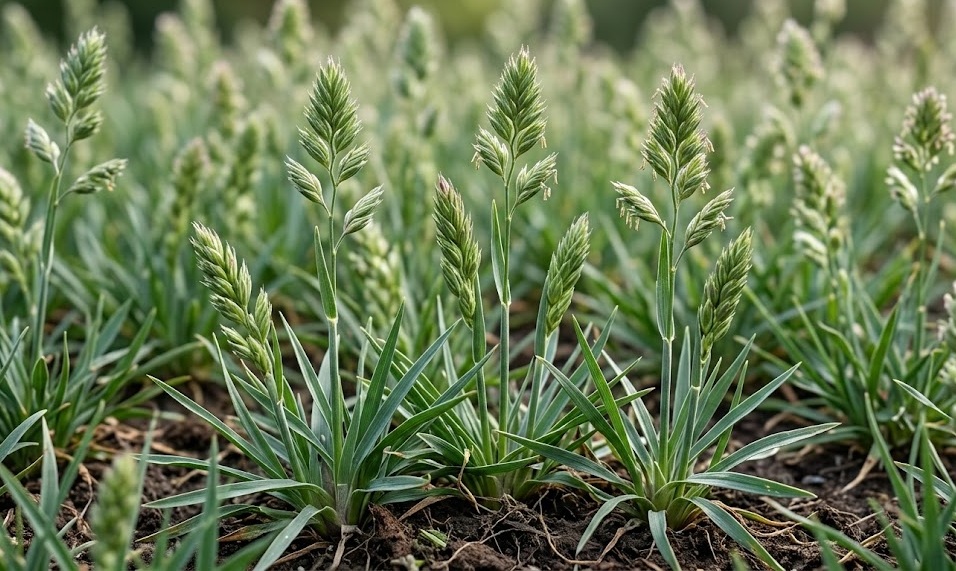

Managing the hydration and nutritional needs of orchard grass is a fundamental aspect of high-yield forage production that requires a scientific and observant approach. This grass species is known for its ability to produce significant biomass, but this productivity is directly linked to the availability of water and essential soil nutrients. You must develop a strategy that balances the immediate needs of the plant with the long-term health of the soil ecosystem. A professional irrigation and fertilization plan ensures that the grass remains lush, nutritious, and capable of rapid regrowth throughout the entire growing season.
The primary goal of watering orchard grass is to maintain consistent soil moisture without causing waterlogging or anaerobic conditions in the root zone. You should understand that while this grass is more drought-tolerant than some other species, its growth slows down significantly when water is scarce. Providing timely irrigation during dry periods can prevent the plant from entering dormancy and keep the forage quality high. Observing the color and curl of the leaves can provide early warnings that the plants are starting to feel moisture stress.
Fertilization is the other side of the productivity coin, providing the chemical building blocks necessary for protein synthesis and structural growth. You should base your nutrient applications on frequent soil tests rather than following a generic calendar-based schedule. Nitrogen is typically the most influential nutrient for grass growth, but it must be balanced with adequate levels of phosphorus and potassium. A professional nutrient management plan helps you avoid the costs and environmental risks associated with over-fertilization while maximizing your return on investment.
The timing of these interventions is just as important as the quantity of water or fertilizer applied to the field. You should aim to apply nutrients when the grass is in an active state of growth and can immediately utilize the inputs. Similarly, watering should be done in a way that minimizes evaporation losses, such as early in the morning or late in the evening. By synchronizing your management actions with the biological rhythm of the plant, you improve the efficiency of every liter of water and every kilogram of fertilizer used.
Establishing a professional irrigation strategy
A professional irrigation strategy for orchard grass begins with an assessment of the soil’s water-holding capacity and the local evapotranspiration rates. You should aim to replace the moisture that is lost to the atmosphere through the plant’s leaves and the soil surface. This often means applying larger amounts of water less frequently, which encourages the roots to grow deeper into the soil profile. Shallow, frequent watering can lead to a weak root system that is highly susceptible to sudden changes in weather.
More articles on this topic
Monitoring soil moisture with technology or manual probes can take the guesswork out of your watering schedule. You should ensure that the moisture reaches at least twenty to thirty centimeters deep, where the majority of the orchard grass’s active roots are located. If you see water pooling on the surface, it is a sign that the soil is either saturated or that the application rate is too high for the soil’s infiltration capacity. Adjusting your irrigation equipment to match the soil’s physical properties is a key technical skill for any serious grower.
During the peak heat of summer, the water demand of orchard grass can increase dramatically, requiring more frequent checks of the field conditions. You should be prepared to prioritize irrigation for high-value stands or those that have recently been harvested and need to regrow. Providing adequate water during these high-stress periods can significantly reduce the “summer slump” and keep your production levels stable. Without supplemental water, the grass will naturally protect itself by slowing down, which reduces the total forage available for your needs.
Water quality is an often-overlooked factor that can have long-term impacts on the health of your soil and plants. You should periodically test your irrigation water for high levels of salts or other minerals that could accumulate in the root zone over time. If your water source is high in salinity, you may need to apply extra water to leach these salts below the root level. Understanding the chemistry of your water allows you to make better decisions about which soil amendments might be needed to maintain a healthy growing environment.
Nitrogen management for optimal growth
Nitrogen is the engine that drives the growth of orchard grass, and managing it correctly is one of the most impactful tasks you will perform. You should apply nitrogen in split applications throughout the season rather than in one large dose to ensure a steady supply for the plants. The first application is typically made in early spring as the grass begins to green up and enter its most rapid growth phase. This boost helps the plant establish a strong canopy early, which helps to suppress weeds and maximize the first harvest.
More articles on this topic
Subsequent nitrogen applications should follow each major harvest or grazing period to stimulate the next round of regrowth. You should calculate the amount of nitrogen based on the expected yield and the current nutrient status of the soil. Applying too much nitrogen can lead to excessive nitrate levels in the forage, which can be harmful to livestock if not monitored. A professional approach involves finding the “sweet spot” where the grass grows vigorously but remains safe and nutritious for animal consumption.
The source of the nitrogen also matters, as different fertilizers have different release rates and environmental impacts. You might choose between urea, ammonium nitrate, or organic sources like manure or compost based on your specific goals and budget. Organic sources provide a slower release of nutrients and help build soil organic matter, but their nutrient content can be more variable. Chemical fertilizers offer more precision and immediate results, which can be advantageous during periods of peak demand.
Environmental stewardship is a vital part of nitrogen management, as runoff or leaching can contaminate local water supplies. You should avoid applying nitrogen before heavy rain is forecast and maintain buffer strips around water bodies to catch any excess nutrients. Using modern application equipment that can precisely place the fertilizer where the plants need it most reduces waste and saves money. A responsible fertilization plan protects the surrounding ecosystem while ensuring the productivity of your orchard grass fields.
The role of phosphorus and potassium
While nitrogen gets most of the attention, phosphorus and potassium are equally essential for the long-term health and resilience of orchard grass. Phosphorus is critical for early root development and energy transfer within the plant, especially during the establishment phase. You should ensure that adequate phosphorus is available in the soil before planting to give the seedlings the best possible start. In established stands, phosphorus helps the plants recover from the stress of harvesting and maintains the overall vigor of the root system.
Potassium plays a key role in water regulation, enzyme activation, and the plant’s ability to withstand environmental stresses like cold and drought. You should maintain high levels of potassium in the soil to improve the winter hardiness of the orchard grass and its resistance to common diseases. Since orchard grass is a heavy user of potassium, you may find that soil levels drop quickly after multiple harvests of hay or silage. Regular testing and replenishment of potassium are necessary to prevent the stand from thinning out over time.
The balance between these macronutrients is just as important as their individual levels in the soil. You should aim for a nutrient profile where all essential elements are available in the correct proportions to prevent “luxury consumption” of one element at the expense of another. For example, high levels of potassium can sometimes interfere with the plant’s uptake of magnesium, which can lead to nutritional imbalances in grazing animals. A professional agronomist can help you interpret your soil tests and create a balanced fertilizer blend for your specific needs.
Applying these minerals at the right depth and location ensures that they are readily available to the root system when needed. Phosphorus, in particular, is not very mobile in the soil, so it is often best applied during the preparation phase or as a top-dressing that can be washed in by rain. Potassium is more mobile but can still be lost to leaching in sandy soils if applied in excessive amounts at once. Careful management of these “background” nutrients is what allows the nitrogen to work most effectively and ensures a healthy, long-lived stand.
Micronutrients and soil pH balance
The availability of both macro and micronutrients is heavily influenced by the pH level of the soil, which should be kept in a specific range for orchard grass. You should aim for a pH between 6.0 and 6.5 to ensure that the widest variety of nutrients is chemically available for plant uptake. If the soil becomes too acidic, elements like phosphorus become “locked” and unavailable, while other elements can become toxic. Regular liming is a standard practice for maintaining the correct pH and ensuring the efficiency of your fertilization program.
Micronutrients such as boron, zinc, and manganese are required only in tiny amounts, but their absence can cause significant growth problems. You should look for visual symptoms of micronutrient deficiencies, such as unusual leaf colors or distorted growth patterns, especially in older stands. A comprehensive tissue analysis can provide a more accurate picture of what the plant is actually absorbing compared to what is just present in the soil. Adding a micronutrient package to your regular fertilizer routine can often provide a “hidden” boost to plant health and productivity.
Sulfur is another nutrient that is becoming increasingly important as atmospheric deposition from industrial sources decreases. You should consider adding sulfur to your fertilization plan if your soil tests show low levels, as it is essential for protein formation in the grass. Lack of sulfur can lead to pale green plants that look like they need nitrogen but do not respond to nitrogen applications. Recognizing these subtle nutritional cues is a hallmark of an expert grower who understands the complex chemistry of the field.
The integration of all these nutritional factors requires a holistic view of the soil as a living system. You should strive to maintain a healthy population of soil microbes, as they play a key role in mineralizing organic nutrients and making them available to the grass roots. Avoiding excessive chemical use and maintaining soil organic matter through proper residue management supports this natural fertility. A well-nourished field of orchard grass is not just about adding chemicals; it is about managing a complex biological cycle for sustainable results.
Monitoring and adjusting the plan
No watering or fertilization plan should be static, as the needs of the plants and the conditions of the environment are constantly changing. You should regularly walk your fields and look for signs that your current strategy needs adjustment. Whether it is an unexpected dry spell or a flush of growth that has depleted the available nitrogen, being responsive is key to success. Keeping a log of your inputs and the resulting yields will help you refine your plan each year for better efficiency.
Seasonal adjustments are a normal part of a professional management routine, as the plant’s requirements shift with its growth stages. During the reproductive phase in late spring, the demand for nutrients is at its highest, while during the summer slump, you should focus more on moisture retention. In the autumn, you shift your focus toward building root reserves and preparing for the dormant winter period. This rhythmic approach ensures that the plants are never over-stimulated or under-supported at the wrong time.
Technology can be a powerful ally in monitoring the health of your orchard grass and the efficiency of your inputs. You might use remote sensing, drone imagery, or soil sensors to gather data on moisture levels and chlorophyll content across large areas. This data allows for “precision agriculture” where you only apply water or fertilizer to the areas that actually need it. Reducing waste not only improves your bottom line but also lessens the environmental footprint of your farming activities.
Ultimately, the goal of watering and fertilization is to support a productive, healthy, and sustainable forage system. You should always be looking for ways to improve your methods and stay updated on the latest agricultural research and best practices. A commitment to professional excellence in these areas will ensure that your orchard grass remains a valuable asset for your operation for many years to come. By treating the field with care and scientific precision, you reap the rewards of a high-quality, resilient crop.

Orchard grass is a heavy feeder, especially when it comes to nitrogen. To maximize biomass production, you should apply nitrogen in split applications: once in early spring and again after each cutting or grazing period. This ensures the plant has a steady supply of nutrients for regrowth. However, you must be careful with potassium levels, especially in the fall, to ensure the grass can properly prepare for winter. I’ve noticed that in high-yield systems, sulfur deficiency can sometimes mimic nitrogen deficiency, leading to pale leaves despite fertilization. A quick tissue test can help you identify if you need to add sulfur to your program. Water management is equally important, as orchard grass will go dormant during extended dry periods to protect its crown.
The split application strategy really is the best way to manage orchard grass. I’ve seen a 30% increase in total seasonal yield just by moving away from a single large spring application. Regarding the sulfur, what form do you find most effective for quick uptake? I’ve been looking into ammonium sulfate to get both the nitrogen and sulfur in one go. Thanks for the insightful comment!