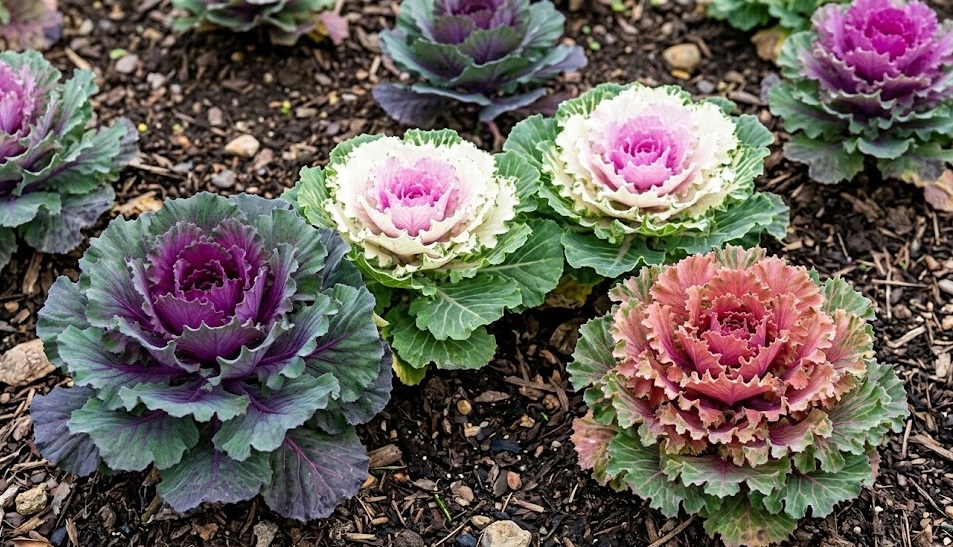

Effective hydration and nutrient management are the twin pillars of a healthy ornamental cabbage display. These plants have a high water content in their leaves, making them sensitive to drought but also susceptible to root issues if overwatered. Similarly, their unique coloration is heavily influenced by the type and timing of the fertilizers you choose to apply. Understanding the professional nuances of these tasks will help you maintain a garden that is both resilient and visually stunning throughout the colder months.
Hydration needs and scheduling
Ornamental cabbage requires a consistent supply of moisture to maintain the turgidity of its broad, decorative leaves. You should aim to keep the soil evenly moist but never saturated, which can be a delicate balance to achieve. During the early stages of growth in late summer, the evaporation rate is high, necessitating more frequent watering sessions. As the weather cools in autumn, the plant’s demand for water will naturally decrease, allowing you to extend the time between irrigations.
The best time of day to water your plants is in the early morning before the sun reaches its full intensity. This allows any water that splashes onto the foliage to evaporate quickly, reducing the risk of fungal infections. Avoid watering in the late evening, as damp leaves overnight are a primary invitation for slugs and mold. A morning routine also ensures that the plant has a full reservoir of moisture to draw from during the warmest part of the day.
Deep watering is much more effective than frequent shallow sprinkles because it encourages the roots to grow deeper into the soil. You should apply enough water so that it penetrates at least fifteen centimeters into the ground. This deep root system makes the cabbage more resilient to temporary dry spells and provides better physical stability. If you are unsure about the moisture level, sticking your finger into the soil is a simple but reliable way to check.
In containers, ornamental cabbage dries out much faster than it does in the open ground. You may need to check your potted plants daily, especially if they are located in a windy or sunny spot. Use pots with adequate drainage holes to ensure that excess water can escape freely after each irrigation. If the soil in a container becomes completely dry, it can shrink away from the sides, requiring a thorough soaking to rehydrate properly.
More articles on this topic
Irrigation techniques and tools
Using a soaker hose or a drip irrigation system is often considered the gold standard for professional garden beds. These methods deliver water directly to the base of the plant, keeping the decorative rosettes completely dry. This is particularly important for ornamental cabbage because the dense center can easily trap water and begin to rot. Drip systems also reduce water waste by minimizing evaporation and ensuring that the moisture reaches the root zone.
If you are watering by hand, use a watering can with a long spout or a hose with a gentle spray attachment. Aim the flow at the soil surface around the perimeter of the plant rather than directly at the crown. This helps prevent soil erosion and keeps the roots from becoming exposed over time. A slow, steady application is always better than a high-pressure blast which can damage the delicate leaf tissues.
Mulching is a vital companion to any irrigation strategy because it helps retain the moisture you have applied. A layer of organic mulch like shredded bark or straw acts as an insulator, slowing down the rate of evaporation from the soil surface. This means you can water less frequently while providing a more stable environment for the root system. Mulch also prevents soil from splashing onto the colorful leaves, keeping your display clean and professional-looking.
In very cold weather, you should be careful not to water when the ground is frozen or if a hard freeze is imminent. Applying water to frozen soil can create a layer of ice that prevents air from reaching the roots, potentially suffocating the plant. Wait for a period of slightly warmer weather to rehydrate your plants during the winter months. Most established ornamental cabbages can tolerate short periods of dry soil during a freeze without significant damage.
More articles on this topic
Nutrient requirements and balance
The nutritional needs of ornamental cabbage shift as the plant moves from its vegetative stage to its decorative color phase. In the beginning, a balanced supply of macro and micronutrients is necessary to build a strong frame and healthy roots. You should look for a fertilizer that provides a steady release of nutrients over several weeks to avoid growth spikes. A healthy foundation in the early weeks is what allows the plant to support its large, heavy rosette later in the season.
Nitrogen is a key component for leaf development, but it must be managed with extreme care in ornamental varieties. Excessive nitrogen late in the season can prevent the leaves from turning their characteristic purple, pink, or white colors. It keeps the plant in a “green” state for too long, which can be frustrating for gardeners seeking a vibrant display. Professional growers often stop applying high-nitrogen fertilizers once the night temperatures begin to drop consistently below ten degrees Celsius.
Phosphorus and potassium are essential for the structural integrity of the plant and its ability to withstand cold stress. Potassium, in particular, helps regulate the water balance within the cells, acting as a natural antifreeze during frosty nights. A fertilizer with a higher middle and last number (P and K) is ideal for the transition into late autumn. These nutrients strengthen the cell walls and ensure that the colors remain bright and clear even in harsh conditions.
Micronutrients like magnesium and sulfur also play a role in the health and coloration of the foliage. Magnesium is a central component of chlorophyll, while sulfur is involved in the production of various plant proteins. If your soil is deficient in these elements, the leaves may appear pale or develop unusual spotting. A high-quality compost or a specialized horticultural fertilizer usually contains enough of these trace elements for a successful season.
Fertilizer types and application
Granular slow-release fertilizers are very popular because they provide a “set and forget” solution for the busy gardener. You can incorporate these granules into the soil at the time of planting to provide a steady stream of nutrients for several months. This method minimizes the risk of fertilizer burn, which can occur with high-concentration liquid products. It also ensures that the plant has access to food even if you miss a scheduled maintenance day.
Liquid fertilizers are excellent for providing a quick boost of nutrients if the plants appear to be struggling or undernourished. They are absorbed rapidly by both the roots and, to a lesser extent, the foliage through the stomata. You should always follow the manufacturer’s instructions for dilution to prevent damaging the sensitive vascular system of the cabbage. Applying liquid feed during a regular watering session ensures that the nutrients are distributed evenly through the root zone.
Organic options, such as fish emulsion or seaweed extract, are highly effective and environmentally friendly choices. These products not only provide nutrients but also stimulate beneficial microbial activity in the soil. They are particularly good for maintaining long-term soil health and improving the overall resilience of your garden. Many professional landscapers prefer organic fertilizers because they produce more robust and naturally colored plants.
When applying any fertilizer, avoid getting the product directly on the leaves or in the center of the rosette. The salts in fertilizers can cause chemical burns on the decorative foliage, leaving permanent scars. Always water the plants thoroughly after applying granular fertilizer to help wash the nutrients down to the roots. This practice also prevents the fertilizer from sitting on the soil surface where it could be washed away by heavy rain.
Common mistakes in feeding and watering
One of the most frequent errors is over-fertilizing in an attempt to make the plants grow larger or faster. This often results in weak, spindly stems that cannot support the weight of the cabbage head during winter. It can also lead to a buildup of salts in the soil, which can dehydrate the roots and cause the leaf edges to turn brown. Remember that ornamental cabbage is prized for its color and form, not necessarily for its sheer size.
Underwatered plants often show signs of stress, such as wilting or a dulling of the leaf colors. While these plants are resilient, chronic drought stress will eventually lead to the loss of the lower leaves and a reduced lifespan. If you notice the soil pulling away from the edges of the pot or bed, it is a clear sign that you need to increase your watering frequency. Consistent moisture is the secret to keeping the “fresh” look that makes these plants so appealing.
Applying fertilizer too late in the season is another common mistake that can ruin the visual impact of your garden. Once the colors have fully developed and the weather is consistently cold, the plant’s metabolic rate is very low. Adding nutrients at this stage is largely a waste of resources and can sometimes trigger unwanted new growth that is susceptible to frost. Follow the natural rhythm of the seasons and reduce your inputs as the winter deepens.
Finally, failing to adjust your routine for local weather conditions can lead to either rot or dehydration. A sudden rainy spell might mean you can skip watering for a week, while an unseasonably warm wind could dry out your plants in a single day. Observation is the most important tool in any gardener’s kit, allowing you to react to the real-time needs of your ornamental cabbage. By staying attentive, you can avoid these common pitfalls and enjoy a professional-grade display.