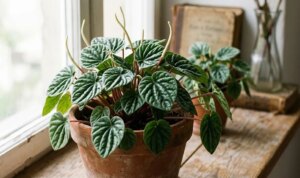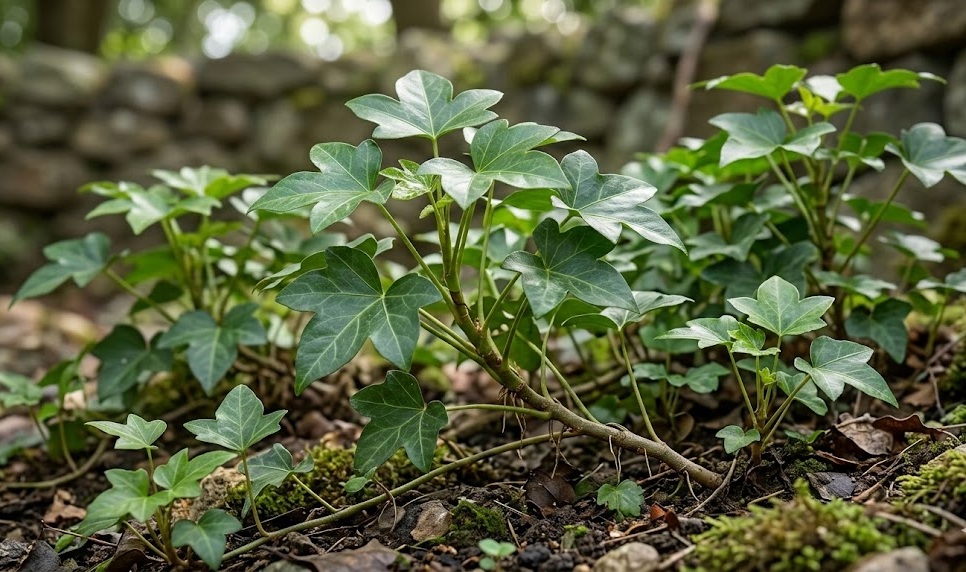

Protecting your tree ivy from the various diseases and pests that can affect it is a fundamental part of being a successful indoor gardener. While this hybrid is generally robust, it is not entirely immune to the challenges that come with living in an artificial environment. Understanding what to look for and how to respond can mean the difference between a minor setback and the loss of a prized specimen. A professional approach to plant health always starts with regular monitoring and a commitment to early intervention.
Pests are often the most immediate threat, as they can multiply rapidly in the warm, stable conditions found inside most homes. Small insects like spider mites, aphids, and scale can quickly sap the energy from the plant, leading to stunted growth and discolored foliage. These tiny invaders often hide in the crevices of the stems or on the undersides of the large leaves, making them easy to miss if you aren’t looking closely. Developing a routine where you inspect your plant once a week will help you catch these problems before they become an infestation.
Diseases in tree ivy are frequently related to environmental factors, particularly those involving moisture and air circulation. Fungal issues such as leaf spot or root rot can take hold if the plant is kept too wet or if the air around it is stagnant. These problems are often more difficult to treat than pests because they involve microscopic pathogens that can spread through the soil or water. Prevention is truly the best medicine here, as maintaining the right growing conditions is the most effective way to keep your plant disease-free.
When you do encounter a problem, it is important to choose a treatment method that is both effective and safe for your home environment. Many common issues can be resolved with simple, non-toxic solutions if they are caught early enough. From manual removal of insects to adjusting your watering habits, there are many steps you can take before resorting to harsh chemicals. By acting as a vigilant guardian for your plant, you can ensure it remains a healthy and beautiful part of your indoor garden for years to come.
Common insect pests and their management
Spider mites are perhaps the most frequent unwanted guests on tree ivy, especially during the dry winter months when indoor heating is active. These microscopic arachnids suck the sap from the leaves, causing a characteristic stippling or “dusty” appearance on the foliage. If the infestation is severe, you may even notice fine webbing between the leaves and stems, which is a clear sign that action is needed. Increasing the local humidity and washing the leaves regularly with a gentle spray of water can help keep these pests at bay.
More articles on this topic
Scale insects are another common problem, appearing as small, brown, or tan bumps that attach themselves firmly to the stems and leaf veins. Unlike many other pests, scale insects are stationary as adults and protect themselves with a hard, waxy shell that makes them resistant to many sprays. You can often remove them manually using a soft toothbrush or a cotton swab dipped in rubbing alcohol. For larger infestations, horticultural oil or neem oil can be effective by smothering the insects and preventing them from breathing.
Aphids can occasionally target the tender new growth at the tips of the stems, causing the young leaves to become distorted or curled. These small, soft-bodied insects can be green, black, or even pink, and they often leave behind a sticky substance known as honeydew. This honeydew can then attract sooty mold, which further disfigures the plant’s appearance. A strong blast of water in the sink or a treatment with insecticidal soap is usually enough to clear up an aphid problem quite quickly.
Mealybugs are easily identified by their white, cottony appearance and their tendency to hide in the leaf axils where the stems meet. Like aphids, they feed on the plant’s sap and can significantly weaken it over time if they are allowed to spread. Treatment involves a similar approach to scale, using alcohol-soaked swabs for precision removal and follow-up sprays for any remaining larvae. Consistency is key when dealing with mealybugs, as their eggs are often well-hidden and can hatch weeks after you think the problem is solved.
Fungal diseases and leaf spot issues
Fungal leaf spot is a common ailment that manifests as brown or black circles on the foliage, often surrounded by a yellow halo. This issue typically arises when the leaves remain wet for too long or if there is insufficient air movement around the plant. To manage this, immediately remove any affected leaves and dispose of them far away from your other plants to prevent the spores from spreading. Avoid getting water on the leaves during your regular maintenance and try to increase the ventilation in the room.
More articles on this topic
Root rot is a much more serious fungal condition that attacks the plant from below, usually as a result of chronic overwatering. Symptoms include a general wilting of the plant despite the soil being wet, along with a foul odor coming from the drainage holes. If you suspect root rot, you must remove the plant from its pot and trim away any mushy, blackened roots before repotting it in fresh, dry soil. This is often a last-resort procedure, but it can save the plant if a significant portion of the root system is still healthy.
Powdery mildew can sometimes appear as a white, flour-like dusting on the surface of the leaves, particularly in humid conditions. While it is rarely fatal, it is unsightly and can interfere with the plant’s ability to photosynthesize effectively. Improving air circulation and reducing humidity slightly can help control the spread of the fungus. A simple spray made from a mixture of water and a small amount of baking soap or neem oil can also be used to treat the existing mildew.
Botrytis, or gray mold, can occasionally affect tree ivy if it is kept in very cool and damp conditions for an extended period. This fungus usually targets damaged tissues or old, decaying leaves before moving on to the healthy parts of the plant. Keeping your plant clean and removing any fallen debris from the surface of the soil is the best way to prevent this problem. If you notice a gray, fuzzy growth on any part of the plant, prune it out immediately and move the plant to a drier, warmer location.
Physiological disorders and environmental stress
Not every problem you see on your tree ivy is caused by a pest or a pathogen; many issues are purely physiological. For example, if the leaves are turning yellow and falling off starting from the bottom, it might simply be a sign of aging or a response to a sudden change in light. If the yellowing is widespread and affecting new growth, however, it is more likely a sign of a watering or nutritional imbalance. Learning to distinguish between natural processes and environmental stress is an important part of horticultural expertise.
Brown, crispy leaf tips are almost always a sign of low humidity or inconsistent watering that has stressed the plant. In modern homes, the air is often far drier than what this hybrid prefers, causing the delicate edges of the large leaves to dry out. Using a humidity tray or grouping plants together can often stop this from progressing, although the existing brown tips will not turn green again. You can carefully trim away the brown parts with sharp scissors to improve the plant’s appearance, being careful not to cut into the healthy green tissue.
Edema is a less common condition where the plant takes up more water than it can use or transpire, leading to small, corky bumps on the undersides of the leaves. This usually happens during periods of high humidity and low light when the plant’s metabolic rate is slow. The best way to treat edema is to simply reduce your watering frequency and provide better light and air circulation. Once the environmental conditions improve, the new leaves should grow without these characteristic bumps, and the old ones will remain functional.
Sunburn can occur if a plant that has been in a shady spot is suddenly moved into direct, intense sunlight. This appears as bleached or tan patches on the leaves that feel dry and brittle to the touch. Because tree ivy prefers indirect light, it is very susceptible to this kind of damage if placed too close to a south-facing window. If you want to move your plant to a brighter spot, do it gradually over several weeks to allow the leaves to adapt to the higher light intensity.
Preventative measures and plant hygiene
The most effective way to manage pests and diseases is to prevent them from entering your collection in the first place. Always quarantine any new plants you bring home for at least two weeks, keeping them in a separate room from your established collection. During this time, inspect them closely for any signs of trouble and treat them if necessary before introducing them to their permanent neighbors. This simple practice can save you a massive amount of time and effort in the long run.
Maintaining a clean growing environment is another essential part of a professional preventative strategy. Remove any fallen leaves or spent stems from the surface of the potting mix immediately, as these can provide a hiding spot for pests and a breeding ground for fungi. Regularly wiping down the leaves with a damp cloth not only keeps the plant looking great but also physically removes any early-stage pests. A clean plant is a healthy plant, and the effort you put into hygiene will pay off in the vigor of your specimen.
Sterilizing your tools after each use is a practice that every serious gardener should follow to avoid cross-contamination. Fungal spores and microscopic pests can easily hitch a ride on your shears or knives as you move from one plant to another. A quick wipe with a cloth soaked in rubbing alcohol or a 10% bleach solution is all it takes to keep your tools safe. This is especially important when you are pruning away diseased tissue, as you don’t want to accidentally infect the healthy parts of the same plant.
Finally, ensuring that your plant is in the best possible overall health is the ultimate defense against any external threat. A well-fed, properly watered plant with the right amount of light will have a much stronger natural resistance to pests and diseases. Stress is often the primary factor that allows a minor problem to turn into a major crisis. By providing consistent and expert care, you are giving your tree ivy the tools it needs to protect itself and thrive in your home.