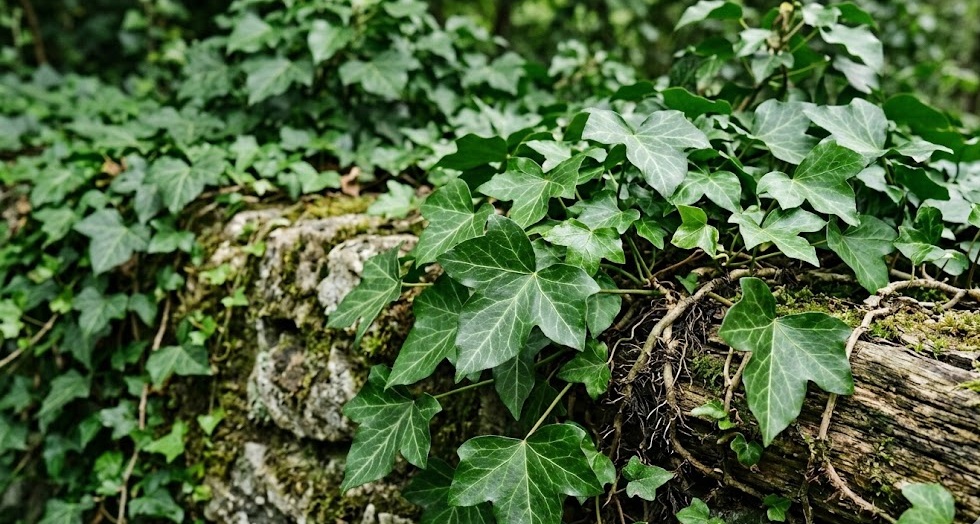

Understanding the light requirements of ivy is essential for placing it correctly within your home or garden landscape. You must recognize that while ivy is famous for its shade tolerance, it still needs a specific amount of light to maintain its health and vibrant colors. The intensity and duration of light exposure directly influence the growth rate and the size of the leaves produced by the plant. A professional gardener knows how to balance these light needs to create the most attractive and resilient ivy display possible.
Navigating the spectrum of shade
Ivy is one of the most reliable plants for those difficult, shaded areas of the garden where many other species struggle to survive. You should understand that “shade” can range from the light, dappled shade under a tree to the deep, heavy shade found in narrow urban alleyways. While ivy can grow in almost all of these conditions, it will generally grow more slowly and produce smaller leaves in the darkest spots. Choosing a location with at least some indirect light will result in a much more vigorous and lush appearance for your plant.
The ability of ivy to thrive in low-light conditions is a biological adaptation that allows it to dominate the forest floor and climb toward the canopy. You can use this characteristic to your advantage by planting ivy as a ground cover under large shrubs or dense trees. It provides a beautiful green carpet in areas where grass and most flowering plants would simply fail to grow. This functional versatility makes ivy an indispensable tool for creating a complete and balanced landscape design in challenging environments.
Variegated ivy varieties have slightly different light requirements compared to their solid green counterparts that you must be aware of. You should provide these plants with more light to ensure they can produce enough energy while maintaining their white or yellow patterns. In deep shade, variegated ivy may lose its unique coloring and revert to solid green as it struggles to capture enough sunlight for photosynthesis. Finding a spot with bright, indirect light is the best way to keep these decorative varieties looking their very best.
Acclimatization is a critical process that you must manage when moving ivy from a shaded area to one with more light exposure. You should introduce the plant to the brighter conditions gradually over a period of one to two weeks to prevent the leaves from suffering from sun scorch. Sudden changes in light intensity can shock the plant and cause unsightly brown patches or even significant leaf drop. Taking the time to slowly adjust your ivy to its new lighting environment will ensure a smooth and successful transition.
More articles on this topic
Managing direct sun and heat
While ivy is shade-tolerant, some varieties can adapt to more sunny locations if they are provided with adequate moisture at the roots. You should be cautious about planting ivy in areas that receive intense, direct afternoon sun during the peak of summer. The high temperatures and strong UV rays can cause the leaves to become pale, yellowed, or even scorched at the edges. If you do plant ivy in a sunny spot, providing some midday shade will help keep the foliage looking its best throughout the year.
The combination of direct sun and drying winds is particularly challenging for ivy and can lead to rapid dehydration of the evergreen leaves. You must be prepared to increase your watering frequency if your ivy is growing in a bright and exposed part of your garden. A thick layer of mulch around the base of the plant is essential in these locations to keep the root zone cool and moist. Monitoring the plant closely during heatwaves will help you identify when it needs extra hydration or temporary shading.
Reflected light and heat from light-colored walls or pavement can also impact the light environment for your ivy plants. You should consider the total amount of energy reaching the plant, not just the direct sunlight from the sky. In urban settings, these reflected sources can significantly increase the temperature and light intensity even in areas that might seem shaded. Understanding these subtle environmental factors allows you to make more informed decisions about where to place your ivy for optimal growth.
Providing physical protection from the sun is sometimes necessary for young or sensitive ivy plants during their first few years of establishment. You can use garden fabric or a strategically placed taller plant to provide filtered light while the ivy develops a more resilient root system. As the plant matures and becomes better established, it will generally become more tolerant of varying light levels and environmental stresses. Professional gardeners often use this phased approach to ensure the long-term success of their climbing ivy displays.
More articles on this topic
Optimizing indoor light levels
Finding the right light for indoor ivy is one of the most important factors in keeping the plant healthy and preventing common indoor growing problems. You should aim for a location that offers bright, indirect light, such as near an east-facing window or slightly back from a south-facing one. Direct sunlight through glass can be very intense and may burn the delicate leaves, especially during the summer months. Consistent light from a stable source will encourage the plant to grow evenly and maintain its attractive trailing habit.
Rotating your indoor ivy pots on a regular basis is a simple professional tip that prevents the plant from growing toward the light in a lopsided way. You should give the pot a quarter-turn every time you water it to ensure that all sides of the plant receive an equal amount of illumination. This practice results in a much more balanced and aesthetically pleasing specimen that looks good from every angle in your home. It also ensures that the inner parts of the plant do not become sparse and leggy due to a lack of light.
If you have a particularly dark room, you can still enjoy the beauty of ivy by using specialized artificial grow lights to supplement the natural light. You should place the lights at an appropriate distance from the plant to provide the correct intensity without causing heat damage to the foliage. Using a timer to provide twelve to fourteen hours of light each day mimics the natural day-length of the plant’s native habitat. This technology allows you to grow healthy ivy in internal rooms or basements where natural light is completely absent.
The relationship between light levels and other care requirements like watering and fertilizing is something you must always keep in mind. You will notice that ivy in brighter light will use more water and nutrients as it grows more rapidly and processes more energy. Conversely, a plant in a darker corner will be much more prone to overwatering and will need far less frequent fertilization. Adjusting your entire care routine based on the specific light levels of each plant is the mark of a truly expert and attentive gardener.