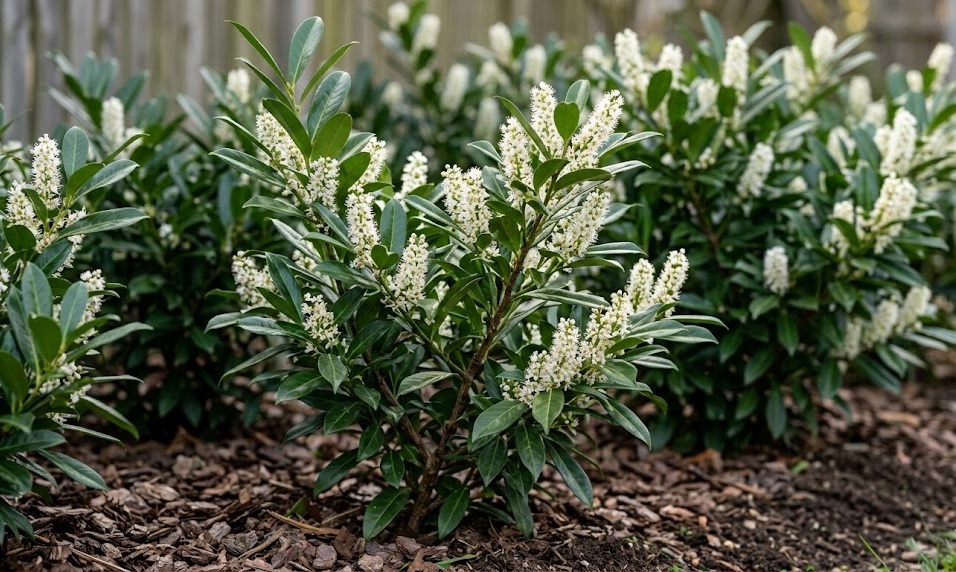

Maintaining the health of cherry laurel requires a professional eye for the subtle symptoms that often precede a major outbreak of disease or pests. You must stay vigilant throughout the growing season, as many common issues can spread rapidly in the dense foliage characteristic of this species. Early identification of fungal or bacterial pathogens allows for targeted treatments that minimize the need for heavy chemical intervention later. A professional approach to plant protection is always based on regular inspection and a deep understanding of the local ecosystem.
Environmental factors often play a significant role in the susceptibility of cherry laurel to various health problems and physiological disorders. You should ensure that the plants are not under unnecessary stress from poor drainage or inadequate light, as this can weaken their natural immune systems. Overcrowding and poor air circulation within a hedge create the humid conditions that many fungi and bacteria need to thrive and reproduce. Professional gardeners prioritize preventive measures as the most effective way to keep their evergreen specimens healthy and vibrant.
When you notice changes in leaf color, texture, or the presence of unusual spots, it is important to act quickly to diagnose the cause. You should keep a record of any recurring issues to identify patterns that might be related to specific weather events or seasonal changes. Understanding the lifecycle of the most common pests allows you to time your interventions for maximum effectiveness and minimum environmental impact. An expert horticulturist treats every problem as a diagnostic puzzle that requires a systematic and scientific solution.
Proper sanitation practices are also essential for preventing the spread of diseases from one plant to another within your garden or agricultural site. You should always clean and disinfect your pruning tools after working on a suspected infected shrub to avoid cross-contamination. Removing and destroying fallen leaves or infected branches helps to reduce the reservoir of pathogens that can cause future infections. Professionalism in gardening includes a commitment to cleanliness and a disciplined approach to maintaining a hygienic growing environment.
Identifying common fungal infections
One of the most frequent issues encountered by cherry laurel is “shothole” disease, which is caused by either fungal or bacterial pathogens. You will notice small, circular spots on the leaves that eventually fall out, leaving the foliage looking as though it has been hit by tiny pellets. While this condition is often aesthetic, a severe infection can lead to significant leaf drop and a reduction in the overall vigor of the shrub. A professional response involves improving air circulation and applying appropriate fungicides if the health of the plant is at risk.
More articles on this topic
Powdery mildew is another common fungal problem that manifests as a white, flour-like substance on the surface of the leaves and young shoots. You may see the foliage becoming distorted or stunted as the fungus interferes with the plant’s ability to photosynthesize effectively. This issue is particularly prevalent during periods of warm days and cool, humid nights when the spores can easily germinate. Expert gardeners often choose resistant varieties or use organic sprays to manage mildew before it covers the entire plant.
Root rot, caused by species of Phytophthora, is a serious fungal disease that attacks the plant below the soil line in poorly drained conditions. You might notice the leaves turning yellow or wilting even when the soil is moist, which is a classic sign of root dysfunction. Because this disease is often fatal for established laurels, prevention through proper site selection and drainage management is absolutely critical. Professional intervention includes removing infected plants and improving the soil structure to prevent the fungus from spreading to healthy neighbors.
Leaf spot fungi can also cause various types of brown or black lesions that detract from the professional appearance of your evergreen hedge. You should avoid overhead watering, as moisture remaining on the leaves provides the perfect environment for these spores to take hold. Collecting and disposing of infected leaf litter in the autumn can significantly reduce the pressure from these fungi in the following spring. Expert care involves managing the environment to make it less hospitable for the pathogens while supporting the strength of the host plant.
Bacterial pathogens and their management
Bacterial canker is a significant concern for professional growers as it can cause dieback of entire branches and produce oozing sores on the stems. You may see sunken areas on the bark that release a dark, sticky substance, especially during the wet spring months. This disease is often difficult to treat once it has entered the vascular system of the plant, making prevention and early pruning the best defense. Expert horticulturists focus on maintaining high plant vigor to help the laurel naturally resist bacterial invasions.
More articles on this topic
Fire blight is another bacterial disease that can occasionally affect cherry laurel, causing the leaves and blossoms to appear scorched or blackened. You will notice that the affected areas often curl into a characteristic “shepherd’s crook” shape as the infection moves down the stem. Pruning out the infected tissue well below the visible signs of disease is necessary to stop the progression of the bacteria. A professional approach requires careful monitoring and immediate action to protect the structural integrity of the entire landscape.
Bacterial leaf spot can sometimes be confused with fungal infections, but the lesions often have a more angular shape and a water-soaked appearance. You might see a yellow halo around the spots as the bacteria release toxins that destroy the surrounding plant cells. Managing this issue involves reducing leaf wetness and avoiding excessive nitrogen fertilization which produces the soft growth bacteria prefer. Professional gardeners stay informed about the latest research into bacterial management to find the most effective and sustainable solutions.
Understanding that bacteria can enter through wounds made during pruning or physical damage is essential for a professional maintenance strategy. You should try to perform your major pruning tasks during dry weather when the risk of bacterial transmission is at its lowest. Protecting the plant from environmental stressors like extreme cold or drought also helps to prevent the micro-cracks in the bark that serve as entry points. Expert care is a holistic practice that considers how every action affects the vulnerability of the plant to microscopic pathogens.
Pests and insect infestations
The laurel leafminer is a common pest that creates winding tunnels or blotches within the tissue of the leaves as the larvae feed. You will see these unsightly trails on the surface of the foliage, which can eventually lead to premature leaf drop if the population is large. While the damage is often primarily cosmetic, it can detract from the professional aesthetic of a well-maintained garden or agricultural display. Expert intervention involves identifying the adult insects and using targeted controls to break their reproductive cycle.
Scale insects are another frequent problem, appearing as small, immobile bumps on the stems and the undersides of the leaves. These pests suck the sap from the plant, weakening it over time and producing a sticky substance known as honeydew. This honeydew can lead to the growth of black sooty mold, which further interferes with the beauty and health of the cherry laurel. Professional management of scale often requires the use of horticultural oils or predatory insects that feed on these sedentary pests.
Vine weevils can cause significant damage, with the adults chewing characteristic notches in the leaf edges and the larvae feeding on the roots. You might see the plant suddenly wilting or declining in health as the root system is compromised by the underground feeding of the grubs. Controlling vine weevils is a professional challenge that often involves the use of beneficial nematodes that seek out and destroy the larvae in the soil. Expert gardeners stay vigilant for the signs of both adult and larval activity to protect their investment in the landscape.
Aphids and spider mites may also appear during the warmer months, causing leaf curling or a fine stippling pattern on the foliage. You can often manage these smaller pests by encouraging natural predators like ladybugs and lacewings to take up residence in your garden. If chemical control becomes necessary, choosing products that are selective and have low toxicity to beneficial insects is a mark of a professional approach. Maintaining a balanced ecosystem is the most sustainable way to keep pest populations under control in the long term.
Integrated pest and disease management
Professional plant protection is moving toward integrated pest management (IPM) strategies that prioritize cultural and biological controls over chemical sprays. You should begin your program by selecting healthy, disease-free plants and providing them with the optimal growing conditions for their species. Regularly monitoring the garden allows you to catch problems while they are still small and easily managed without drastic measures. Expert horticulturists view chemical intervention as a last resort that is only used when other methods have failed to protect the plant.
Encouraging biodiversity in the surrounding landscape can help to create a natural balance that keeps most pests and diseases in check. You might plant a variety of species that provide habitat for beneficial insects and birds that prey on common garden pests. Reducing the use of broad-spectrum pesticides helps to preserve these natural allies and maintains the health of the entire local ecosystem. A professional gardener works with nature rather than against it to achieve a beautiful and resilient landscape.
Using physical barriers or mechanical controls can also be effective for managing certain pests without the use of toxic substances. You might use sticky traps to monitor for adult insects or hand-pick larger pests like weevils when they are active at night. Improving soil health through the addition of organic matter also makes the plants more resistant to attack from both pathogens and insects. Expert care is a proactive and multi-faceted discipline that requires constant learning and adaptation to new challenges.
Finally, educating yourself and your staff about the specific threats to cherry laurel in your region will ensure a quick and effective response. Sharing information with other professionals and local agricultural extension services can help you stay ahead of emerging diseases and pest outbreaks. A community-based approach to plant health leads to better outcomes for everyone and helps to protect the wider environment. Professionalism in gardening is defined by a commitment to excellence, sustainability, and the long-term well-being of the living world.