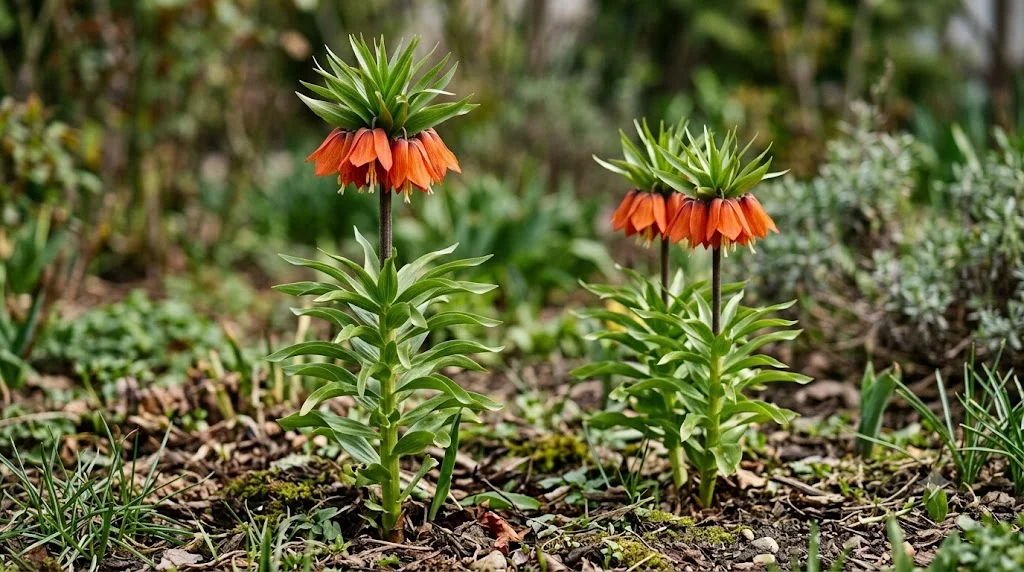

Crown imperial is generally robust when grown in well-drained soil, but it can still be affected by bulb rots, leaf diseases, slugs, snails, and especially lily beetles. Many serious problems begin when bulbs are weakened by poor drainage, overcrowding, physical injury, or unsuitable cultural conditions. Early identification is valuable because similar symptoms can arise from very different causes. Preventive horticulture, careful inspection, and targeted control usually provide better results than routine pesticide use.
Bulb rot and soil-related diseases
Bulb rot is one of the most serious threats to crown imperial. It is usually associated with persistently wet soil, damaged bulb tissue, or poor air movement around the root zone. Affected plants may emerge weakly, turn yellow prematurely, or collapse despite adequate surface moisture. Severely decayed bulbs may fail to emerge at all.
When a declining plant is lifted, diseased tissue may appear soft, discoloured, or unpleasantly odorous. Healthy crown imperial bulbs should feel firm even though their natural structure can look unusual. Extensive soft rot is not reversible. Badly affected bulbs should be removed to prevent decaying material from remaining in the planting bed.
Prevention begins with drainage rather than chemical treatment. Raised beds, improved soil structure, and appropriate planting depth reduce the amount of time water remains around the bulb. Avoiding accidental cuts during planting or division also reduces entry points for pathogens. Clean tools are especially important when working with bulbs showing suspicious symptoms.
Repeated losses in the same location indicate that the site itself should be reassessed. Simply replacing diseased bulbs without correcting waterlogging often produces the same result. Soil compaction, irrigation patterns, and drainage after heavy rain should all be examined. Moving future plantings to a drier position may be the most effective solution.
More articles on this topic
Leaf spots and fungal symptoms
Crown imperial foliage can occasionally develop spots, blotches, or areas of dead tissue during damp weather. Fungal diseases generally become more likely when leaves remain wet for extended periods. Crowded planting can make the problem worse by reducing air movement. Damaged or senescing foliage may also be colonized by opportunistic fungi.
Not every mark on a leaf indicates an infectious disease. Frost injury, wind damage, sun scorch, nutrient imbalance, and mechanical abrasion can produce similar symptoms. The pattern and progression of damage should therefore be observed before treatment. Rapidly expanding lesions are more concerning than isolated scars that remain unchanged.
Watering at soil level helps minimize unnecessary leaf wetness. Good spacing between plants improves air circulation and allows foliage to dry more quickly after rain. Dead plant debris should be removed after natural dieback if disease was significant during the season. These simple cultural measures can substantially reduce recurring problems.
Fungicides are rarely the first requirement for isolated ornamental crown imperials. Improving growing conditions and removing severely affected tissue may be sufficient in many gardens. Where disease becomes persistent and damaging, any treatment should be selected specifically for the identified pathogen and local regulations. Unnecessary broad-spectrum spraying should be avoided.
More articles on this topic
Lily beetles and leaf-feeding insects
The scarlet lily beetle can be a particularly noticeable pest on crown imperial and related plants. Adults are bright red and feed directly on leaves, creating irregular holes and stripped areas. Larvae are less attractive to inspect because they often cover themselves with dark waste material. Heavy infestations can remove substantial amounts of foliage.
Regular inspection is one of the most effective controls in a small garden. Adults can be removed by hand before they lay large numbers of eggs. The underside of leaves should also be checked for eggs and developing larvae. Early intervention prevents populations from building to damaging levels.
Loss of foliage is especially harmful before the bulb has replenished its reserves. Even if flowering has already ended, the green leaves remain essential to future growth. Severe defoliation can therefore reduce the following year’s performance. Protecting post-flowering foliage is just as important as protecting plants during bloom.
Biological balance can help keep minor insect populations under control, but severe infestations may require additional action. Any insecticide used should be legally approved for the crop and pest in the relevant region. Applications should avoid unnecessary harm to beneficial insects. Physical removal remains particularly practical where only a few crown imperial plants are grown.
Slugs, snails and other garden pests
Young crown imperial shoots can be damaged by slugs and snails as they emerge in spring. Feeding creates irregular holes and can scar developing leaves before the stem reaches full height. Wet, sheltered gardens tend to experience the greatest pressure. Newly emerging plants deserve particular attention during mild, damp nights.
Reducing hiding places around vulnerable shoots can help. Thick piles of wet organic debris provide daytime shelter for slugs and snails. Traps, barriers, hand collection, and legally approved baits can all form part of an integrated approach. No single method is equally effective in every garden.
Rodents generally show less interest in crown imperial than in some other spring bulbs because of its distinctive odour. This characteristic has even encouraged gardeners to plant it near more vulnerable bulbs. However, crown imperial should not be considered a guaranteed rodent repellent. Local animal behaviour varies considerably.
Underground pests and soil organisms can occasionally damage bulbs, particularly when bulbs are already stressed or injured. Unexplained decline should therefore prompt careful inspection of the root zone. Healthy roots should be firm and actively distributed through the soil during growth. Secondary pest damage often becomes more important after another problem has weakened the plant.
Building a preventive plant-health strategy
The strongest defence against disease is a well-chosen planting site. Healthy crown imperial bulbs grown in bright light and freely draining soil are better able to resist opportunistic pathogens. Balanced nutrition also supports strong tissues without producing overly soft growth. Prevention is therefore closely linked to ordinary good cultivation.
Routine observation should begin when shoots emerge. Looking closely at leaves once or twice a week makes it easier to detect lily beetles, slug damage, abnormal yellowing, or developing spots. Small problems are usually easier to manage than established infestations. Garden monitoring is particularly important during warm, wet periods.
Sanitation also contributes to long-term plant health. Diseased bulb material should not be left in the bed, and tools should be cleaned after contact with rotting tissue. Dead foliage can be removed once it has completed natural dieback. Clean cultivation reduces the amount of infected material available to carry problems into another season.
Most crown imperial problems can be prevented without intensive chemical intervention. Drainage, appropriate watering, healthy planting stock, good spacing, and timely inspection address many of the most common risks. Pesticides should be used only when a clearly identified problem justifies them. This integrated approach protects both the plant and the wider garden ecosystem.