
Crown imperial is one of the most striking spring-flowering bulbs, combining tall architectural stems with a distinctive crown of bell-shaped flowers. Despite its exotic appearance, it is a relatively straightforward garden plant when its basic requirements are understood. Successful cultivation depends mainly on excellent drainage, sufficient light, appropriate soil fertility, and allowing the bulb to complete its natural annual cycle without unnecessary disturbance. With thoughtful care, established plants can return for many years and become increasingly impressive features in perennial borders and spring bulb displays.
Understanding the crown imperial growth cycle
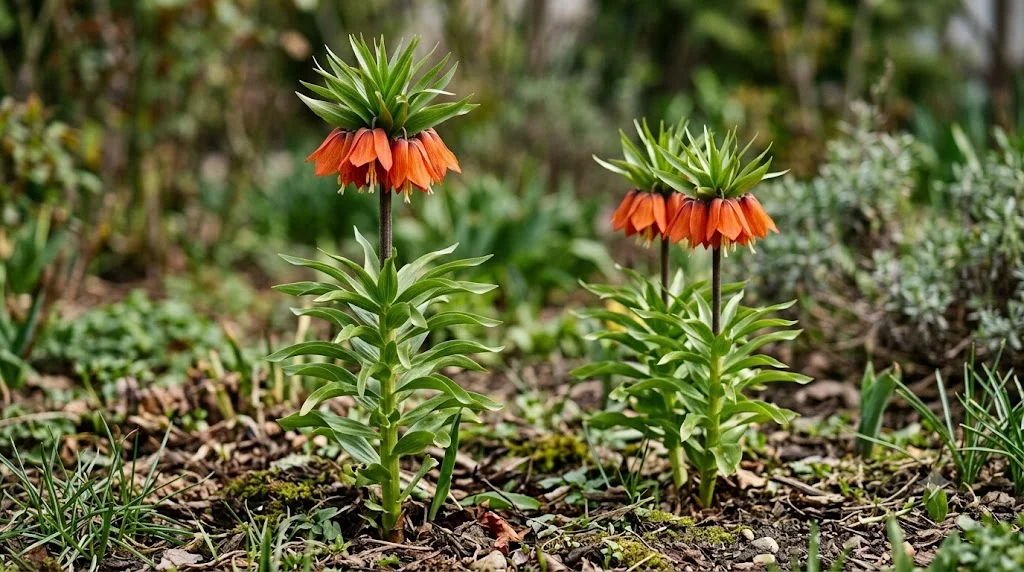
Crown imperial begins active growth remarkably early in spring, often pushing strong shoots through the soil while temperatures are still cool. These shoots develop rapidly into sturdy stems surrounded by whorls of lance-shaped leaves. The flowering stem eventually carries a ring of downward-facing flowers beneath a tuft of foliage. Because growth is so fast, the plant relies heavily on nutrients and carbohydrates stored in its large bulb.
Flowering generally occurs during mid to late spring, depending on climate, cultivar, and local weather conditions. The blooms may be orange, red, yellow, or intermediate shades, creating a dramatic vertical accent among lower-growing bulbs. Individual flowers do not last indefinitely, but the overall flowering display can remain attractive for several weeks. Cooler spring weather usually prolongs flowering, while unusually warm conditions may shorten it.
After flowering, the foliage continues working even though the ornamental peak has passed. The leaves manufacture carbohydrates through photosynthesis and return these reserves to the bulb. This replenishment is essential for the following season’s growth and flower formation. Removing healthy foliage too early is therefore one of the most damaging maintenance mistakes.
During early summer, the leaves gradually turn yellow and the plant enters dormancy. Above-ground growth disappears, but the bulb remains alive beneath the soil. During this resting period, excessive moisture poses a greater risk than temporary dryness. Understanding this seasonal rhythm makes nearly every other aspect of crown imperial care easier.
More articles on this topic
Choosing the right soil and growing position
Crown imperial performs best in fertile soil that drains efficiently after rainfall. Heavy clay can retain water around the bulb and greatly increase the risk of basal rot. Improving dense soil with coarse mineral material, well-rotted organic matter, or raised planting conditions can improve root-zone aeration. The objective is not an excessively dry substrate but a balanced soil that holds nutrients without becoming waterlogged.
A neutral to slightly alkaline soil is generally suitable, although crown imperial tolerates a reasonably broad pH range. Extremely acidic soils may benefit from appropriate amendment after a soil test confirms the need. Good soil structure is more important than chasing an exact pH number. Healthy roots require both moisture and oxygen, especially during active spring growth.
The planting area should also have sufficient depth for the large bulbs and their developing root systems. Shallow, compacted soil restricts rooting and makes moisture conditions less stable. A deeply cultivated bed provides a better reservoir of nutrients and moisture while still allowing excess water to move downward. This is particularly valuable for mature plants that remain undisturbed for several seasons.
Avoid planting crown imperial in depressions where winter rain or melting snow regularly collects. Even otherwise suitable soil can become dangerous if the site itself concentrates water. Gentle slopes, raised borders, and naturally free-draining beds are often ideal. In difficult gardens, improving the planting position can be more effective than repeatedly replacing failed bulbs.
More articles on this topic
Supporting vigorous spring growth
Crown imperial needs relatively little intervention once properly established, but early spring is an important period for observation. Emerging shoots should be checked after severe frost, especially in exposed gardens where sudden temperature fluctuations are common. Established plants are generally hardy, although tender new growth can occasionally suffer superficial frost damage. Minor leaf injury rarely destroys the bulb if the root system remains healthy.
Weeds should be controlled around emerging plants because crown imperial grows quickly and benefits from reduced competition. Hand weeding is safer close to the bulbs than aggressive cultivation with hoes or forks. Deep tools can accidentally damage the bulb or its roots. A clean planting zone also improves air circulation around the lower foliage.
A modest organic mulch can help stabilize soil temperature and conserve moisture during spring. The mulch should not form a thick, wet layer directly over the crown or emerging stem. Loose compost, leaf mould, or similar well-decomposed material can gradually improve soil structure. In poorly drained locations, however, heavy mulching may retain more moisture than the bulbs can safely tolerate.
Tall stems are usually self-supporting when plants receive adequate light. Exceptionally exposed sites may subject flowering stems to strong wind, particularly once the heavy flower head develops. Discreet staking can prevent stems from bending or breaking during storms. Supports should be installed early enough to avoid damaging the bulb with stakes driven blindly into the soil.
Caring for crown imperial during flowering
Flowering crown imperials benefit from reasonably even soil moisture, particularly if spring conditions become unusually dry. Prolonged drought can shorten flowering and reduce the plant’s ability to maintain vigorous foliage. Water should penetrate deeply rather than merely wetting the upper few centimetres of soil. Deep watering encourages a more resilient root system and reduces unnecessary surface evaporation.
The flowers naturally hang downward, while the prominent leafy tuft above them gives the plant its characteristic appearance. Healthy stems should remain upright and firm throughout the flowering period. Weak stems may indicate insufficient light, excessive nitrogen, overcrowding, or poor bulb quality. Observing stem strength provides useful information about whether the growing conditions are truly suitable.
Spent flowers can be removed if seed production is not required. Preventing seed formation allows the plant to direct more energy toward replenishing the underground bulb. The flower stem itself does not need to be removed immediately while surrounding foliage remains green. Keeping functional green tissue intact helps maximize carbohydrate production.
Crown imperial also makes a valuable companion for later-emerging perennials. Plants such as hardy geraniums, peonies, ornamental grasses, or other herbaceous species can eventually conceal yellowing crown imperial foliage. This allows the bulb to complete its natural cycle without leaving a visually untidy gap. Good companion planting therefore improves both horticultural performance and border appearance.
Post-flowering care and summer dormancy
Once flowering finishes, patience becomes the most important part of crown imperial care. The leaves should remain untouched while they are green and actively photosynthesizing. Gradual yellowing indicates that nutrients are being transferred back into the bulb. Cutting the foliage while still green can reduce flowering performance the following year.
Watering can be reduced as the leaves naturally decline. The soil should not remain constantly moist once the plant approaches dormancy. In regions with wet summers, drainage becomes especially important because the dormant bulb is susceptible to rotting. Some gardeners grow crown imperial in raised beds specifically to avoid excessive summer moisture.
The dried stem can be removed once it has completely lost its green colour. At this stage, the plant has largely completed its annual energy-storage process. Cutting at soil level is sufficient, and there is no need to excavate the bulb simply because the foliage has disappeared. Established bulbs usually perform best when left undisturbed.
The empty-looking summer space should be marked if later garden work could disturb the bulbs. Crown imperial bulbs are large but can still be damaged by spades, forks, or new planting holes. A small discreet marker can prevent accidental injury during autumn renovations. This simple precaution is particularly useful in densely planted mixed borders.
Long-term maintenance and rejuvenation
Healthy crown imperial clumps can remain in the same location for several years. Flowering often improves after the plants have settled and developed strong root systems. Constant lifting and replanting can interrupt this establishment process. Unless there is a drainage problem, overcrowding, or a need for propagation, unnecessary disturbance is best avoided.
Older groups may eventually produce several bulbs and become crowded. Competition between closely packed bulbs can reduce flower size and stem strength. If flowering noticeably declines despite good nutrition and appropriate light, division may become beneficial. The best time to lift and separate dormant bulbs is after the foliage has died back.
When bulbs are lifted, they should be handled carefully because crown imperial bulbs are relatively fragile. Damaged scales and bruised tissue provide potential entry points for fungal or bacterial decay. Replanting should therefore take place promptly rather than leaving bulbs exposed for long periods. Any obviously soft or diseased bulbs should be discarded.
Annual observation is more useful than routine intervention. Strong stems, broad foliage, consistent flowering, and healthy post-flowering dieback indicate that the plant is functioning normally. Failure to bloom should trigger an assessment of light, planting depth, drainage, nutrition, and foliage management. Correcting the underlying growing conditions is usually more effective than applying arbitrary treatments.
Common care mistakes and how to avoid them
Poor drainage is among the most serious causes of crown imperial failure. A bulb planted in permanently wet soil may deteriorate before obvious symptoms appear above ground. Yellowing, weak emergence, or complete failure to return can all result from underground decay. Site preparation should therefore focus on drainage before fertilizers or other inputs are considered.
Another frequent mistake is cutting foliage immediately after flowering. Gardeners sometimes remove leaves because they consider them untidy, but this deprives the bulb of its main energy source. The result may be weaker growth or absent flowers during the following spring. Companion plants are a better solution for hiding declining foliage.
Excessive nitrogen can also produce disappointing results. High-nitrogen feeding may encourage lush leaves at the expense of strong floral development. Crown imperial benefits from fertile soil, but fertility should be balanced rather than excessive. Bulb-oriented or balanced fertilizers are generally more appropriate than repeated applications of nitrogen-rich lawn products.
Finally, crown imperial should not be judged after a single imperfect season. Newly planted bulbs may need time to establish, and unusual weather can influence flowering dramatically. Maintaining stable growing conditions over several seasons often produces better results than repeatedly changing the site or treatment. Consistent drainage, light, nutrition, and post-flowering care provide the strongest foundation for long-term success.