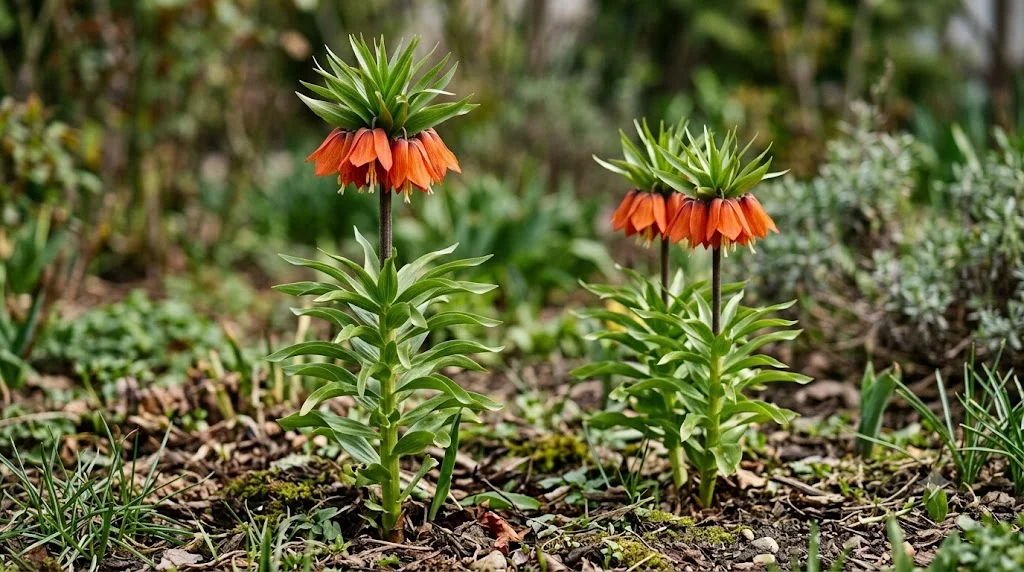

Crown imperial performs best where it receives generous sunlight during its short but intensive spring growing season. Strong light supports compact growth, sturdy flowering stems, and efficient photosynthesis while the leaves are replenishing the underground bulb. Although the plant can tolerate some light shade, persistent deep shade often reduces flowering and encourages weaker stems. The ideal position balances bright spring exposure with suitable soil moisture and protection from extreme environmental stress.
How much sunlight crown imperial needs
Full sun is generally the most reliable choice for crown imperial in cool and temperate climates. A position receiving at least several hours of direct sunlight allows the leaves to photosynthesize efficiently. Strong light also helps keep stems compact and structurally robust. Plants in bright positions usually flower more consistently than those grown in dense shade.
Light conditions in early spring can differ greatly from summer conditions. A bed beneath deciduous trees may receive abundant sunlight before the canopy develops. Such locations can be surprisingly suitable for spring bulbs. The important factor is how much light reaches the crown imperial while its foliage is actively growing.
Partial shade can work where sunlight is intense or afternoon temperatures become high. Morning sun followed by light afternoon shade often provides a useful balance. The plant still receives enough energy for strong growth while avoiding excessive heat. This can be especially valuable near the warmer edge of its comfortable climate range.
Deep shade is much less suitable. Stems may become elongated as they reach toward available light, and flowering can become sparse or absent. Weak foliage also stores fewer carbohydrates in the bulb. Repeated seasons in low light can therefore cause gradual decline.
More articles on this topic
Recognizing inadequate or excessive exposure
Insufficient light often produces tall, thin stems that lean rather than remaining upright. Leaves may appear less substantial, and the plant can orient strongly toward nearby openings in the canopy. Flowering may also become inconsistent despite adequate feeding. These symptoms should prompt an assessment of actual spring sunlight.
A crown imperial that produces healthy foliage but repeatedly fails to flower may also be receiving too little light. However, planting depth, bulb maturity, nutrition, and premature leaf removal can cause similar problems. Light should therefore be considered together with the rest of the growing environment. Moving the plant should follow careful diagnosis.
Excessive sunlight is rarely a major problem in mild climates when the soil contains adequate moisture. In very hot regions, however, strong afternoon sun can accelerate leaf decline and shorten the flowering display. Dry soil intensifies this stress. Light afternoon shade can moderate temperatures without seriously reducing photosynthesis.
Sudden changes in exposure can also matter. Removing a mature tree may transform a previously shaded border into a hot, exposed site. Crown imperial may need more irrigation during active growth under the new conditions. Garden light should therefore be treated as a dynamic factor rather than a permanent characteristic.
More articles on this topic
Designing the best garden position
A south- or west-facing open border can provide excellent spring light in cooler regions. The soil should still remain well drained, because sunny exposure cannot compensate for waterlogging. Combining strong light with good drainage creates the most dependable conditions for flowering. Wind exposure should also be considered because mature stems are tall.
Mixed perennial borders often provide an ideal seasonal arrangement. Crown imperial receives abundant light early in the year before surrounding perennials reach full size. Later, those plants grow upward and disguise the crown imperial’s yellowing foliage. This natural succession combines good plant physiology with attractive garden design.
When planting near shrubs, consider their mature size rather than their current dimensions. A young shrub may cast little shade today but create dense cover within several years. Crown imperial bulbs are best positioned where future canopy development will not eliminate spring light. Long-term planning reduces the need for later relocation.
Observation remains the most accurate way to judge a position. Watch the bed during spring and note how many hours of direct or bright filtered light it receives. Strong, upright stems and regular flowering indicate that the exposure is appropriate. If performance gradually declines as shade increases, relocation during dormancy may restore vigour.