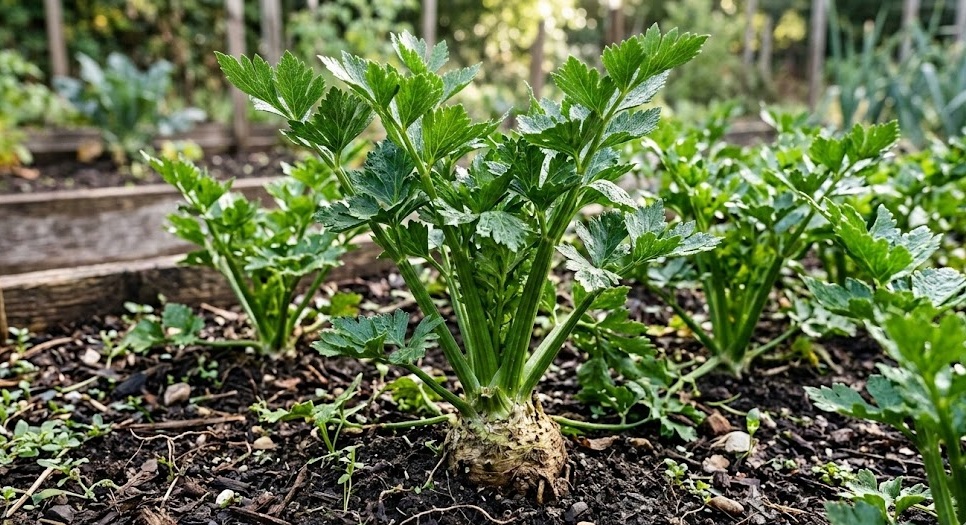

Overwintering celery is a specialized process that allows you to extend the harvest well into the colder months. While celery is traditionally a cool-season crop, it cannot withstand deep freezes without some form of protection or preparation. You must decide whether to leave the plants in the ground with insulation or to harvest them for cold storage. A professional approach to overwintering ensures that you can enjoy fresh, home-grown celery even when the ground is covered in frost.
The first step in any overwintering strategy is to understand the cold tolerance of the specific variety you are growing. Some cultivars are naturally more frost-hardy and can survive temperatures that would kill more sensitive types. If you live in a region with mild winters, you may only need a light layer of protection to keep the plants growing. In colder climates, more intensive methods like trenching or moving the plants to a root cellar may be necessary.
As the days get shorter and the temperatures drop, the growth of the celery will naturally slow down. This is actually beneficial, as the plant begins to store more sugars in its stalks, which improves the flavor and acts as a natural antifreeze. You should continue to monitor the soil moisture, as winter winds can be very drying even when it is cold. A well-hydrated plant is much more likely to survive the winter than one that is stressed and dry.
Timing is everything when it comes to preparing your celery for the winter months. You want to wait until the first light frosts have passed, but before a deep, killing freeze arrives. This period of cooling helps to “harden off” the plants, making them more resilient to the cold that is to come. Once the plants are prepared, you can implement your chosen protection method to keep them safe until you are ready to use them.
Protecting celery in the garden
If you live in a moderate climate, you can often keep celery alive in the garden by using heavy mulching. You should pile straw, dried leaves, or even specialized thermal blankets around the plants to insulate the roots and stalks. This layer of protection keeps the soil from freezing solid and protects the delicate heart of the plant from the wind. It is an easy and effective professional technique for extending your harvest for several extra weeks.
More articles on this topic
Row covers and low tunnels are another great option for protecting celery from the winter elements. These structures create a small greenhouse effect, trapping the heat of the sun during the day and releasing it slowly at night. You can use clear plastic or heavy-duty frost fabric depending on the severity of your local winter. This method allows you to access the plants easily for harvest while still providing a high level of protection.
Mounding soil around the base of the stalks, also known as hilling, provides both insulation and a form of natural blanching. By covering the majority of the stalks with earth, you protect them from the direct bite of the frost. This also keeps the stalks tender and light-colored, which many people prefer for culinary use. Just be sure to do this when the soil is dry to prevent rot from developing against the stems.
For the most extreme weather, you can combine multiple methods, such as using row covers over a heavily mulched bed. This “layering” approach provides the maximum amount of insulation possible in an outdoor setting. It is important to vent the covers on sunny days to prevent the air inside from getting too hot, which can stress the plants. Professional growers often use automated systems or check their tunnels daily to manage this temperature balance.
The trenching method for winter storage
Trenching is a traditional professional technique used to keep celery fresh and crisp throughout the entire winter. It involves digging a deep trench in a well-drained part of the garden and placing the harvested plants inside, roots and all. You pack the plants closely together in an upright position and cover them with a thick layer of straw and soil. This subterranean environment stays at a constant, cool temperature that is perfect for preservation.
More articles on this topic
The key to successful trenching is ensuring that the area has excellent drainage so the plants don’t sit in water. If the trench becomes waterlogged, the celery will quickly rot and become useless. You can add a layer of gravel at the bottom of the trench to help with drainage if your soil is heavy clay. This method essentially turns a part of your garden into a natural, outdoor refrigerator.
When you are ready to use the celery, you simply dig up as many plants as you need from one end of the trench. The plants stay remarkably fresh and continue to have a great flavor long after the garden has gone dormant. It is a labor-intensive method, but for those who want the highest quality winter produce, it is often worth the effort. Professional gardeners have used this technique for centuries with great success.
In addition to the trench, you can also use a cold frame that is partially sunk into the ground for a similar effect. This provides a more permanent and accessible structure for winter storage while still utilizing the earth’s natural insulation. You can add extra insulation like old blankets or hay bales around the outside of the frame during the coldest months. This flexibility makes it a popular choice for both small and large-scale operations.
Indoor storage and root cellars
If your winters are too severe for outdoor storage, you can move your celery to a root cellar or a cool basement. You should harvest the plants with their root balls intact and place them in containers filled with damp sand or sawdust. The sand keeps the roots hydrated while the cool, dark environment of the cellar slows down the plant’s metabolism. This method can keep celery fresh for several months if the humidity levels are kept high.
The temperature in your storage area should ideally be between zero and four degrees Celsius. If it gets too warm, the celery will begin to grow again or start to wilt and lose its crunch. You should also ensure that there is some air circulation to prevent the buildup of ethylene gas, which can cause the stalks to age prematurely. Professional storage requires careful management of these environmental variables.
Check your stored celery regularly and remove any stalks that show signs of decay or mold. One rotting plant can quickly spread to the others, so early detection is key to preserving the rest of your harvest. If the sand or sawdust feels dry, you can lightly mist it with water to maintain the necessary moisture levels. This hands-on approach ensures that you have a steady supply of fresh greens all winter long.
For those without a root cellar, a spare refrigerator can also be used for medium-term storage of celery. Wrap the stalks in damp paper towels and place them in a perforated plastic bag in the crisper drawer. While this won’t last as long as a root cellar, it is a practical solution for most home gardeners. It allows you to harvest your entire crop before a deep freeze and enjoy it over the next few weeks.
Spring recovery and seed production
If you choose to leave some celery in the ground to overwinter, you will notice new growth as soon as the soil warms up in the spring. These early spring stalks are often very tender and flavorful, providing some of the first fresh food from the garden. However, because celery is a biennial plant, it will quickly move toward flowering and seed production in its second year. You should harvest these early greens quickly before the plant starts to bolt.
If you are interested in saving your own seeds, overwintering is a necessary step in the process. You need to select your strongest and healthiest plants to survive the winter and produce seeds the following summer. Once the plant flowers, it will produce large clusters of tiny seeds that you can harvest once they turn brown and dry. This is a professional way to develop a strain of celery that is perfectly adapted to your local climate.
Managing the spring transition requires removing the winter mulch gradually so the soil can warm up at a natural pace. If you remove the protection too early, a late spring frost could still damage the new, tender growth. You should also provide a light application of fertilizer to help the plants recover from their winter dormancy. This extra care ensures that the plants have the energy they need for a strong start to the new season.
Overwintering celery is a rewarding challenge that demonstrates the true resilience of this versatile vegetable. Whether you use mulch, trenches, or root cellars, the goal is to work with the natural cycles of the environment. By protecting your crop, you bridge the gap between the seasons and maintain a connection to your garden all year round. It is a professional skill that adds a new dimension to your horticultural expertise.