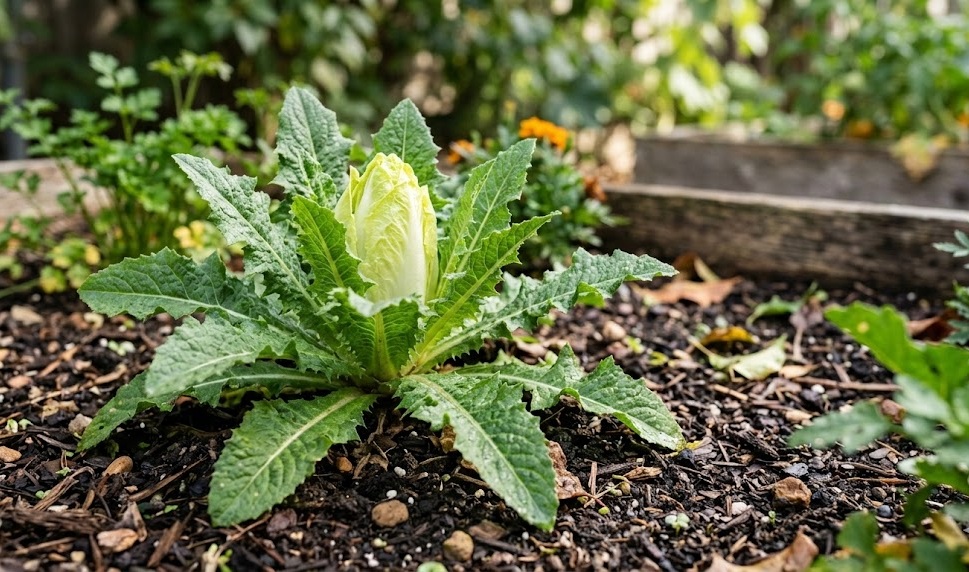

Developing a precise strategy for hydration and nutrition is essential for producing high-quality chicory with the desired flavor profile. Water and nutrients are the primary building blocks of the plant’s physiological structure, and their management requires a balance of science and observation. Professional cultivators recognize that over-application can be just as damaging as a deficiency, leading to issues with both growth and health. By adhering to expert standards, you can ensure that your crop receives exactly what it needs to reach its full potential.
The relationship between soil moisture and nutrient availability is a complex dynamic that influences the plant’s ability to thrive. Without adequate water, the roots cannot effectively absorb the minerals they need from the soil, regardless of how much fertilizer has been applied. Conversely, excessive watering can leach essential nutrients away from the root zone, leaving the plant undernourished. A professional approach involves monitoring both factors simultaneously to create a stable and supportive environment for the chicory throughout the season.
Seasonal adjustments are a necessary part of any watering and fertilization routine to account for changes in temperature and light. During periods of rapid growth, the demand for both water and nutrients increases significantly, requiring a more proactive management style. As the season winds down and the plants enter their final maturation phase, the requirements shift once again to favor stability over expansion. An expert gardener is always attuned to these shifts and adjusts their practices accordingly to maintain the health of the crop.
Efficiency is a hallmark of professional agricultural management, especially when it comes to the use of resources like water and fertilizers. Utilizing modern delivery systems and targeted applications minimizes waste and reduces the environmental impact of the farming operation. This discipline not only benefits the garden but also leads to a more consistent and predictable harvest. The goal is to provide a steady supply of resources that allows the chicory to grow at a natural and healthy pace.
Strategic irrigation and moisture management
Chicory requires a consistent supply of moisture to prevent the roots from becoming tough and excessively bitter. The irrigation schedule should be based on the actual needs of the soil and the current weather conditions rather than a rigid calendar. Professional growers often use moisture sensors or the “finger test” to determine when it is time to water. This targeted approach ensures that the root zone remains damp but not saturated, which is the ideal state for steady and healthy development.
More articles on this topic
Drip irrigation is often the preferred method for watering chicory as it delivers water directly to the soil without wetting the foliage. This technique reduces water loss through evaporation and minimizes the risk of leaf-borne diseases that thrive in damp conditions. By maintaining a slow and steady flow, drip systems allow the water to penetrate deep into the soil where it is most accessible to the roots. Professional installations are designed to provide uniform coverage across the entire planting area to avoid dry spots.
The timing of irrigation can also impact the health of the plant and the efficiency of water use. Watering early in the morning allows the soil to absorb the moisture before the heat of the day increases evaporation. It also ensures that any accidental moisture on the leaves has time to dry quickly in the rising sun. Many expert cultivators avoid late-evening watering, as prolonged leaf wetness during the night can encourage the development of fungal pathogens.
Mulching plays a vital role in moisture management by creating a protective layer that slows down the drying of the soil. Organic materials like straw or leaf mold help to regulate the temperature of the root zone while preventing the surface from becoming hard and crusty. This natural barrier also reduces the impact of heavy rain, preventing soil erosion and the splashing of mud onto the leaves. A well-mulched bed is a key component of a professional and sustainable irrigation strategy.
Nutrient requirements and soil fertility
Understanding the specific nutritional needs of chicory is the first step in developing a professional fertilization program. Nitrogen is essential for the development of lush, green leaves, while phosphorus and potassium support root growth and overall plant resilience. A balanced approach ensures that no single element is provided in excess, which could lead to imbalances in the plant’s metabolism. Professional soil testing provides the necessary data to determine which nutrients are currently lacking and which are already present in sufficient quantities.
More articles on this topic
The timing of fertilizer applications should coincide with the plant’s most active growth phases to maximize uptake. An initial application during soil preparation provides a foundation for the young seedlings as they begin their journey. Subsequent “side-dressing” or liquid applications can be used to sustain growth throughout the middle of the season. Expert gardeners often use slow-release fertilizers to provide a steady stream of nutrients over a longer period, reducing the need for frequent interventions.
Organic fertilizers, such as composted manure or seaweed extracts, offer a holistic way to improve both soil fertility and structure. These materials release their nutrients slowly as they are broken down by soil microbes, providing a natural and sustainable source of nutrition. In addition to minerals, organic amendments contribute to the overall biological health of the soil, which in turn supports the long-term vitality of the chicory. Many professionals prefer these methods for their long-term benefits to the entire garden ecosystem.
Foliar feeding is a specialized technique that involves spraying nutrient solutions directly onto the leaves of the plant. This method allows for rapid absorption of specific micronutrients that may be tied up in the soil due to pH imbalances. While not a replacement for soil-based fertilization, it can be a useful tool for addressing temporary deficiencies or giving the crop a boost during stressful periods. Professional application requires precise timing and concentration to avoid burning the delicate leaf tissues.
Signs of deficiency and corrective actions
Recognizing the visual symptoms of nutrient deficiencies is a critical skill for any professional horticulturalist. Yellowing leaves, stunted growth, and unusual purple tints can all point to specific imbalances that need to be addressed. For example, a lack of nitrogen often manifests as a general paling of the older leaves, while phosphorus deficiency can cause a distinct darkening of the foliage. Early detection allows for targeted corrections before the health of the plant is significantly compromised.
Corrective actions should be based on a clear understanding of the underlying cause rather than a “one-size-fits-all” approach. If a soil test confirms a deficiency, a targeted application of the missing nutrient can often resolve the issue within a few weeks. However, if the problem is caused by an incorrect soil pH that prevents nutrient uptake, the solution lies in adjusting the chemistry of the ground. Professional standards prioritize a systemic fix over a temporary patch to ensure the long-term success of the crop.
Environmental factors can sometimes mimic the symptoms of nutrient deficiencies, making careful diagnosis essential. Waterlogging, extreme temperatures, and even certain pests can cause leaf discoloration or wilting that may be mistaken for a lack of fertilizer. An expert grower looks at the whole picture, including the weather history and the condition of the surrounding soil, before deciding on a course of action. This analytical approach prevents the unnecessary application of chemicals and ensures that the real problem is being solved.
Monitoring the recovery of the plants after a corrective measure has been taken is the final step in the process. New growth should appear healthy and vibrant, indicating that the nutrient balance has been restored and the plants are back on track. If the symptoms persist, further investigation may be needed to identify secondary issues or more deep-seated soil problems. A professional gardener remains patient and persistent, knowing that a healthy crop is the result of continuous and thoughtful care.
Balancing hydration and nutrition for flavor
The delicate balance between water and nutrients has a direct impact on the culinary quality of the chicory harvest. Excessive nitrogen combined with high moisture can lead to rapid, watery growth that lacks the complex bitter flavors many consumers value. Conversely, a lack of water during the final maturation phase can cause the plant to become unpleasantly bitter and tough. Professional standards involve fine-tuning these inputs in the final weeks before harvest to achieve the perfect balance of texture and taste.
Controlled stress is sometimes used by expert cultivators to enhance the characteristics of the chicory. By slightly reducing the frequency of watering as the plants reach maturity, the concentration of sugars and bitter compounds in the tissues increases. This technique requires a deep understanding of the plant’s limits to avoid causing permanent damage or stunted growth. It is a hallmark of an experienced grower who knows how to manipulate the environment to achieve a specific culinary goal.
The quality of the irrigation water itself can also influence the health of the soil and the success of the fertilization program. Water that is high in salts or other minerals can gradually change the soil chemistry, leading to problems with nutrient availability over time. Professional operations often test their water source as part of their regular management routine to ensure it remains suitable for their crops. Addressing water quality issues at the source is a proactive way to prevent long-term soil degradation.
Integration of all aspects of care leads to a system where watering and fertilizing work in harmony to support the crop. When the plants are properly hydrated and nourished, they are better able to withstand the pressures of pests, diseases, and environmental shifts. A professional gardener views these tasks not as separate chores but as parts of a unified strategy for agricultural excellence. The final harvest is a testament to the skill and precision applied to these fundamental aspects of chicory cultivation.