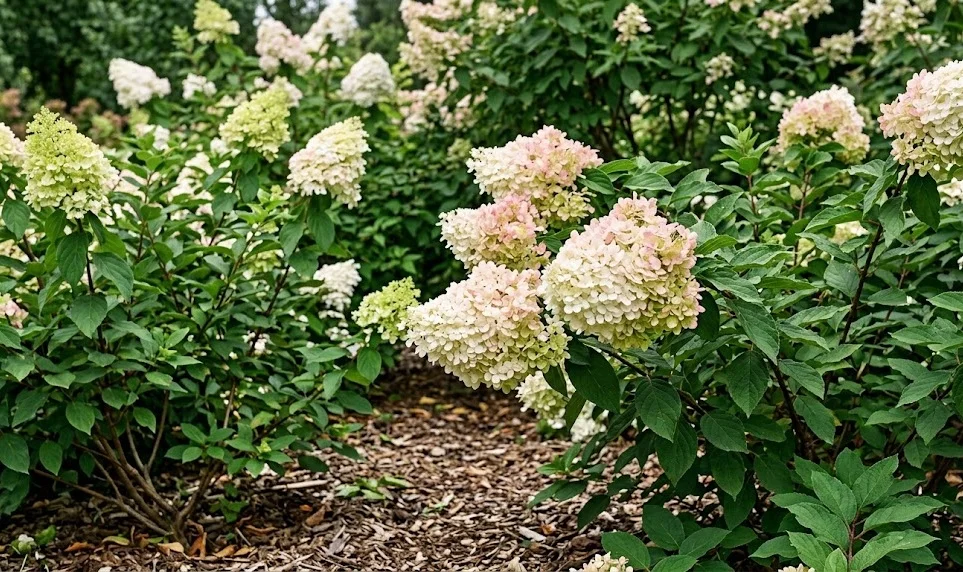

Maintaining the health of your garden paths requires a watchful eye for the subtle signs of microscopic pathogens that can disrupt plant beauty. Fungal issues are among the most frequent challenges faced by growers, particularly during warm, humid stretches of summer weather. These specific shrubs are notably tough, but they are not entirely immune to atmospheric spores looking for a home. Early identification allows you to intervene before a minor blemish turns into a widespread aesthetic crisis.
Powdery mildew is a classic fungal issue that manifests as a dusty, white or gray coating across the upper leaf surfaces. It typically thrives in conditions where the days are warm and the nights are cool and damp. While it rarely kills a mature shrub, it can cause the leaves to curl, dry up, and drop prematurely. Improving air circulation around the branches is one of the most effective ways to discourage this white coating from spreading.
Cercospora leaf spot is another fungal pathogen that creates distinct, dark purple or brown spots with tan centers on the foliage. This condition usually starts on the lower, older leaves where humidity levels remain highest near the ground. As the infection progresses, the spots can merge, causing entire leaves to turn yellow and fall off. Raking up and destroying affected fallen leaves prevents the spores from overwintering in your garden soil.
Root rot can occur when the underground environment remains waterlogged for extended periods, allowing soil-borne fungi to attack. This devastating condition destroys the plant’s ability to take up water, leading to severe wilting that cannot be fixed by watering. Prevention is the absolute best weapon against root rot, as reversing the damage once the root system decays is incredibly difficult. Ensuring your soil drains beautifully protects the hidden, vital network of your plants.
Spotting and controlling insect pests
Aphids are tiny, soft-bodied insects that love to gather in dense colonies on the tender, new growth of spring stems. They use their piercing mouthparts to suck vital juices directly from the plant’s vascular system, causing distorted leaf shapes. These pests also excrete a sticky substance known as honeydew, which can attract ants and encourage the growth of sooty mold. A strong blast of water from a garden hose is often enough to dislodge and control minor populations.
More articles on this topic
Spider mites are microscopic pests that become a major nuisance during hot, dry spells when the plant is already slightly stressed. They feed on the undersides of the leaves, resulting in a fine, yellow stippling pattern across the foliage surface. In severe cases, you might notice delicate webbing spun around the leaf joints and stem tips. Keeping the plant well-hydrated and occasionally misting the leaves can create an unwelcoming environment for these mites.
Scale insects can sometimes appear on the older, woody canes, looking like small, immobile bumps attached firmly to the bark. These pests shield themselves under protective waxy covers while draining the plant’s energy reserves over time. If left unchecked, a heavy infestation can cause individual branches to wither and die back completely. Scraping them off manually or applying horticultural oils during the dormant season can successfully manage their numbers.
Japanese beetles can arrive in mid-summer, quickly chewing large, ragged holes in both the lush leaves and the delicate flower panicles. Their feeding pattern often leaves behind a skeletonized leaf structure, where only the tough veins remain intact. Hand-picking these beetles in the cool early morning hours when they are sluggish is a highly effective control method. Dropping them into a bucket of soapy water ensures they cannot return to damage your landscape.
Environmental factors that trigger health issues
Many problems that look like infectious diseases are actually caused by non-living environmental stresses, known to experts as abiotic disorders. For instance, extreme heat combined with drying winds can cause the edges of the leaves to scorch and turn dark brown. This happens because the roots simply cannot transport water fast enough to replace what is lost through the foliage. Providing temporary shade or increasing your deep watering routine during weather extremes mitigates this cosmetic damage.
More articles on this topic
Nutrient lock-out can occur when the soil pH strays too far from the plant’s preferred slightly acidic to neutral comfort zone. When this happens, the plant cannot absorb specific elements even if they are abundant in the surrounding earth. This frequently leads to nutritional deficiencies that present as pale, yellowing leaves or weak, spindly stems. Regular soil monitoring ensures that the chemical environment remains favorable for natural root absorption processes.
Compacted soil is another invisible environmental stressor that restricts root growth and limits the movement of oxygen through the ground. When roots are squashed into tight, unyielding earth, they become weak and highly vulnerable to opportunistic pathogens. Loosening the soil around the outer drip line and adding organic matter helps open up the underground matrix. A healthy, breathing soil structure is your plant’s primary defense against overall decline.
Finally, physical injury from lawnmowers, string trimmers, or severe hail storms can create open wounds on the woody canes. These broken areas act as open doorways for bacteria and fungal spores floating through the garden air. Always exercise caution when operating heavy maintenance equipment near the base of your valuable ornamental shrubs. Making clean, precise cuts to clean up any accidental storm damage helps the plant seal its bark quickly.
Preventive treatments and organic solutions
The most effective approach to plant health is a proactive strategy centered on creating an environment where diseases struggle to take hold. Spacing your plants generously at the time of installation ensures that sunlight can penetrate deep into the canopy to dry moisture quickly. Avoid high-nitrogen fertilizers that produce soft, watery growth, as pests and pathogens find this tissue incredibly easy to penetrate. Cultivating natural plant strength minimizes the need for chemical interventions.
If a fungal issue like powdery mildew appears, organic sprays containing potassium bicarbonate or neem oil can check its spread. These natural treatments work by altering the surface conditions of the leaf, making it difficult for spores to attach and grow. Apply these solutions during the cool, overcast hours of the day to prevent the sun from burning the treated foliage. Consistent application according to the product guidelines yields the best organic protection.
Encouraging beneficial predatory insects to take up residence in your garden creates a natural system of checks and balances. Ladybugs, lacewings, and predatory mites are voracious consumers of troublesome pests like aphids and spider mites. Avoiding broad-spectrum chemical insecticides protects these helpful garden allies, allowing them to do the hard work for you. Planting a diverse array of flowering perennials nearby attracts and sustains these natural defenders.
Using organic mulches like shredded bark or pine needles creates a clean physical barrier between the soil and the lower leaves. This barrier prevents fungal spores residing in the dirt from splashing up onto the foliage during heavy rainstorms. As the mulch decomposes, it continuously improves the soil structure and feeds beneficial underground microorganisms. This simple, natural practice delivers multiple layers of protection to your growing landscape investment.
Restoring damaged plants after a severe infestation
When a shrub has suffered through a significant pest or disease crisis, a thoughtful recovery plan helps restore its former beauty. Begin by carefully removing the most heavily damaged or defoliated branches using sharp, sterilized pruning tools. Removing these exhausted parts allows the plant to redirect its remaining energy toward producing healthy, fresh growth. Be sure to clean your tools between cuts to avoid spreading any residual pathogens to clean wood.
Provide the recovering plant with consistent, deep watering to ensure it never faces the added stress of a summer drought. The loss of leaves reduces the plant’s ability to manufacture energy, making root health more critical than ever. However, resist the temptation to dump massive amounts of fertilizer onto a struggling plant in hopes of a quick fix. Instead, let the shrub recover its equilibrium naturally with steady moisture and gentle soil amendments.
Monitor the fresh leaves closely as they emerge from the buds to ensure the pest or disease has been truly conquered. This new growth is often quite tender and can act as a magnet for any remaining pests in the area. If you spot early signs of a recurring issue, address it immediately with targeted, gentle spot treatments. Catching the second wave early protects the plant’s hard-earned recovery progress.
With patience and proper support, these resilient woody shrubs possess a remarkable capacity to regenerate and thrive once again. Even if a severe season leaves them looking sparse, the following spring often brings a powerful renewal of life. Learning from each health challenge helps you refine your care techniques and build a more resilient garden environment. Your commitment to consistent care is the ultimate factor in long-term horticultural success.