
Maintaining the architectural elegance and vigor of structured perennials involves executing clean, well-timed pruning routines throughout their lifecycle. Pruning the stinking hellebore is a straightforward but highly specific task that directly influences seasonal health and future flower production. Utilizing the correct tools and understanding the plant’s growth habits allows you to refresh its appearance safely and efficiently. This professional guide demonstrates the proper techniques for cutting back your plants while ensuring maximum safety.
Timing the annual prune for maximum health
Mastering the timing and technique of pruning is a vital skill for anyone dedicated to cultivating beautiful stinking hellebore specimens. Unlike many other members of its botanical family, this specific species requires a distinct approach to maintaining its architectural form. Knowing precisely when to cut back old stems ensures the plant remains vigorous and free from common seasonal diseases. A well-timed prune redirects essential nutrients toward fresh growth, keeping the plant looking pristine throughout the entire year.
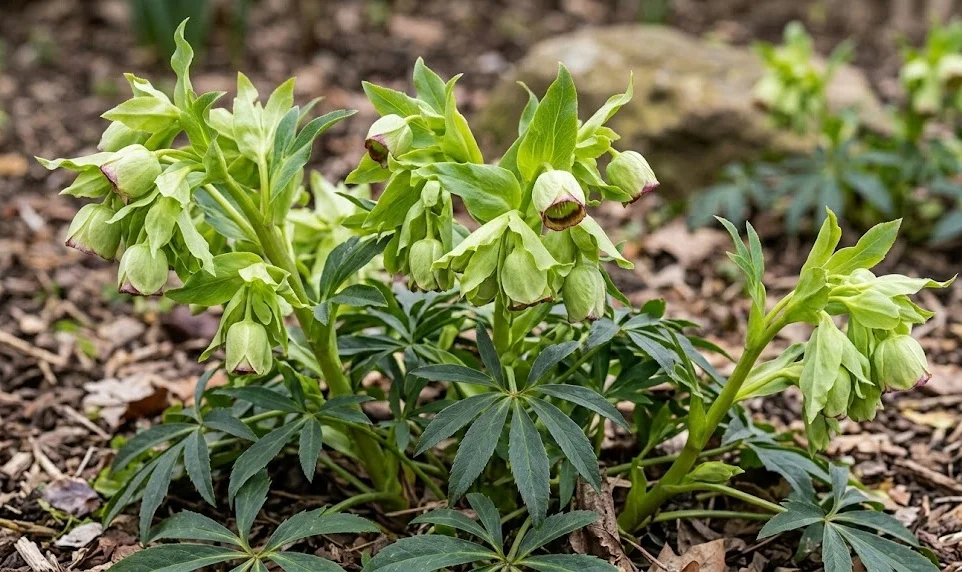
The primary pruning window opens in mid to late spring, immediately after the spectacular winter flowering display finally begins to fade. As the chartreuse blossoms turn green and begin to produce seeds, the flowering stems lose their crisp structural beauty and start to lean outward. This is the ideal psychological and biological moment to intervene with your pruning shears to refresh the plant’s appearance. Removing these spent stalks prevents the plant from wasting valuable energy reserves on seed production if you do not want self-seeding.
Waiting too long into the summer to perform this task can make the process more difficult and potentially disrupt new growth. By early summer, the plant is already actively developing the fresh vegetative stems that will carry it through the upcoming winter season. Pruning late increases the risk of accidentally damaging these tender new shoots hidden beneath the older foliage canopy. Establishing a disciplined springtime routine ensures you complete the maintenance before the plant enters its next active growth phase.
Conversely, pruning too early in the winter or early spring will ruin the very flower display that makes this species so desirable. The flowering stems develop slowly over autumn and must be left completely undisturbed to achieve their full ornamental potential. Only remove individual leaves during the winter months if they are visibly dead, broken, or showing signs of fungal infection. Aligning your pruning activities with the natural lifecycle of the plant guarantees the best possible results with minimal effort.
More articles on this topic
Safe removal of spent flower stalks and old foliage
The physical process of cutting back this perennial requires a steady hand and a clear understanding of its unique growth structure. Identify the main flowering stalks that have finished blooming and follow them down to the very base of the plant. Position your sharp pruning shears as close to the central crown as possible without nicking the surrounding healthy tissue. Making a clean, angled cut prevents water from pooling on the remaining stub, reducing the risk of localized rot.
Take your time during this process to carefully separate the old, spent stems from the emerging new spring growth. The fresh vegetative shoots rise from the center of the crown, featuring bright green, tender leaves that are easily damaged by careless cutting. Working systematically around the perimeter of the plant allows you to maintain full control over each cut you make. Clearing away the bulky old stems instantly reveals the beautiful, fresh framework of the upcoming season’s growth.
In addition to removing spent flower stalks, take this opportunity to clean up any tattered or discolored evergreen foliage from the previous year. Older leaves near the bottom of the clump often become weather-beaten, spotted, or yellowed after enduring a harsh winter season. Cut these damaged leaves off at the base of their individual petioles to restore a clean, manicured appearance to the specimen. This targeted cleanup improves air circulation through the dense interior of the plant, acting as an excellent disease preventative.
Once you have completed the pruning process, carefully gather all the removed plant material from the surrounding garden bed. Leaving piles of dead stems and leaves around the base creates a damp haven for destructive pests like slugs and fungal spores. Dispose of the trimmings properly according to your local green waste guidelines or add them to a hot compost system if they are completely healthy. A tidy finish completes the job perfectly, leaving your hellebores looking refreshed, spacious, and ready to thrive.
More articles on this topic
Tools and safety measures for handling the toxic sap
Prioritizing personal safety and using the correct equipment are critical components of a professional approach to pruning this species. The entire plant contains protoanemonin, a toxic chemical compound that can cause severe skin irritation, blistering, and discomfort upon contact. Wearing heavy-duty, waterproof gardening gloves and long-sleeved clothing is absolutely mandatory before you begin any cutting or handling tasks. Protecting your skin prevents painful accidental exposures that can quickly turn a pleasant gardening chore into a miserable experience.
If you accidentally come into contact with the clear sap, wash the affected skin immediately with plenty of soap and cool water. Avoid touching your face, especially your eyes, while working with these plants, as the sap can cause intense burning and temporary vision issues. It is also wise to keep pets and young children away from the immediate area while you are actively pruning and cleaning up. Awareness of these natural chemical defenses allows you to manage the plant confidently and safely without unnecessary anxiety.
The quality and cleanliness of your pruning tools play an equally important role in ensuring a successful maintenance session. Always use exceptionally sharp bypass pruners, which slice cleanly through the fibrous stems rather than crushing or tearing the delicate plant tissues. Clean cuts heal significantly faster, minimizing the amount of stress experienced by the plant and reducing entry points for diseases. Sterilize your blades with rubbing alcohol or a diluted bleach solution before and after working on each individual specimen.
Cleaning your tools thoroughly after completing the job removes any lingering toxic residue and preserves the integrity of the metal blades. Wipe down the cutting surfaces with an oiled cloth to prevent rusting and keep the mechanism operating smoothly for future tasks. Investing in high-quality tools and maintaining strict safety protocols elevates your gardening practice to a truly professional standard. By respecting both the plant’s beauty and its natural defenses, you ensure a rewarding, injury-free cultivation experience.