
Understanding and providing the correct light requirements is essential for optimizing the growth and flowering performance of this elegant perennial. In its native habitat, this species grows in open meadows, woodland edges, and montane fields, exposing it to varied light conditions throughout the year. Replicating these natural illumination patterns in the home garden ensures that the plant develops sturdy stems and abundant blossoms. Striking the right balance between direct sunlight and protective shade is the key to maintaining long-term health and structural integrity.
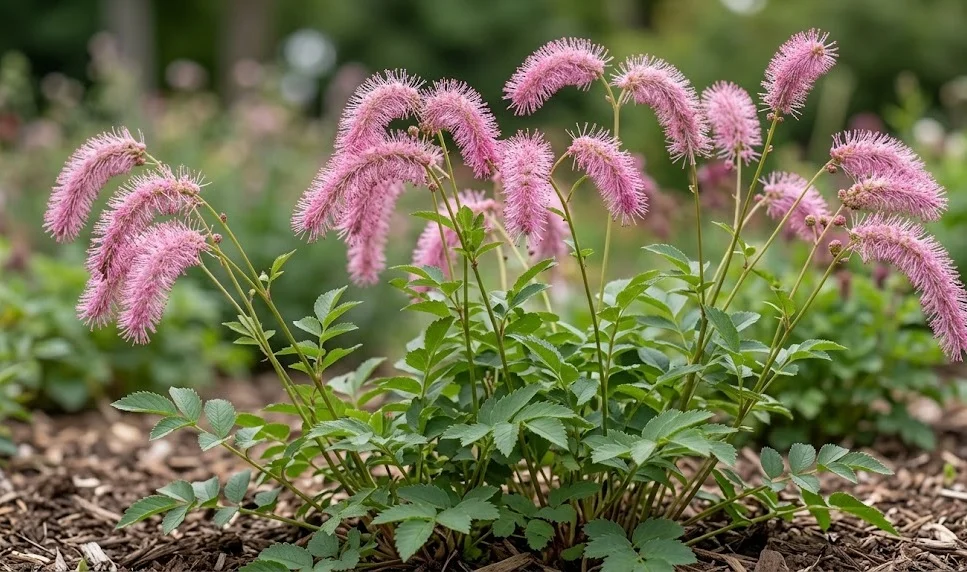
Full sun to partial shade represents the ideal lighting spectrum for this particular species in most temperate garden environments. Access to bright sunlight for at least six hours a day stimulates robust photosynthesis, driving vigorous vegetative growth and strong stem development. Sunlight is also the primary catalyst for the production of the characteristic pink, bottle-brush flower spikes that define the plant’s ornamental appeal. Plants grown in optimal light conditions exhibit a dense, compact growth habit with tightly clustered foliage.
Partial shade conditions, particularly during the intense afternoon hours, can be highly beneficial in regions with hot, scorching summer climates. While the plant loves light, extreme heat combined with intense, direct midday sun can cause the soil to dry out rapidly and stress the foliage. Providing filtered light or dappled shade during the hottest part of the day prevents leaf scorch and helps conserve vital soil moisture. In cooler climates, however, full sun exposure is generally preferred to maximize heat accumulation and extend the blooming period.
Insufficient light exposure can significantly compromise the health and aesthetic value of the plant over several growing seasons. When planted in deep shade or under dense tree canopies, the perennial exhibits a distinctly leggy and elongated growth habit. The stems stretch toward the available light source, becoming weak, brittle, and prone to flopping under the weight of any flowers. Flower production is also drastically reduced or may fail entirely if the plant does not receive its minimum threshold of solar energy.
Managing extreme light conditions and physiological responses
Managing extreme light conditions requires careful observation of how the plant responds physiologically to its environmental exposure. When exposed to excessive, unmitigated sunlight without adequate moisture, the leaves will quickly show signs of physiological distress. The most common symptom is leaf scorch, where the margins of the foliage turn dry, brown, and brittle. If you notice these symptoms developing regularly during midsummer, it is a clear indication that the plant requires additional shade or increased irrigation.
More articles on this topic
Shifting environmental light levels throughout the year can also influence how the plant allocates its energy between root and foliage development. In early spring, before nearby deciduous trees leaf out fully, the plant utilizes the abundant sunlight to launch its initial growth surge. As the canopy closes during late spring, the plant adapts to the decreasing light levels by expanding its leaf surface area to capture maximum illumination. Understanding these seasonal dynamics helps you predict and manage the plant’s structural appearance across different months.
Remedying a poor lighting situation is best achieved by relocating the plant to a more appropriate position within the garden layout. If an established specimen is suffering in deep shade, plan to transplant it during its early spring or autumn dormant phases. Moving the plant to a brighter location will instantly restore its natural vigor, leading to denser foliage and renewed flowering capacity. Conversely, a plant scorching in intense heat can be moved to a site that offers protective afternoon shade.
Utilizing artificial shading techniques or structural companions can also help manage excessive light exposure during temporary heatwaves or dry spells. Installing temporary shade cloths or planting taller, sturdier perennials on the south side of the plant can provide excellent natural relief. These taller companions filter the harsh midday rays while allowing the lower-growing burnet to receive soft morning and evening light. This strategic management of light exposure creates a microclimate where the perennial can thrive without experiencing chronic environmental stress.
Integrating light preferences into comprehensive landscape design
Integrating the specific light preferences of this perennial into your overall landscape design ensures both artistic success and cultural health. Position the plant where it can receive the gentle, clarifying light of early morning, which enhances the appearance of dew-covered foliage. Morning sun is highly efficient for photosynthesis while carrying a much lower risk of causing heat stress or moisture evaporation. This deliberate placement ensures the plant looks its absolute best during the early hours when gardens are often enjoyed.
More articles on this topic
Designing with light in mind also involves considering how the plant’s unique texture interacts with different types of solar illumination. The delicate, airy flower spikes look particularly magical when backlit by the low, golden rays of the setting afternoon sun. Positioning the plant in the western parts of the garden allows the light to pass through the blossoms, creating a luminous, glowing effect. This sophisticated use of natural lighting elevates the emotional and visual impact of your landscape compositions.
Combining the perennial with companions that share identical light and moisture requirements simplifies long-term garden maintenance and management. Suitable sun-loving partners include various ornamental grasses, astilbes, and echinaceas that thrive in bright, open conditions. These combinations create a resilient plant community where individuals support each other structurally and aesthetically under the same sky. Proper spatial arrangement ensures that none of the companions shade out the burnet completely, preserving its access to essential solar energy.
Final evaluations of the chosen planting site should include a full assessment of how light patterns shift across different seasons. A spot that appears perfectly sunny in early spring may become deeply shaded by midsummer as nearby trees develop full canopies. Charting these shifting shadows ensures that you select a permanently viable location for this long-lived perennial asset. By aligning your planting strategy with the immutable rhythms of the sun, you guarantee a lifetime of vibrant growth and beautiful blossoms.