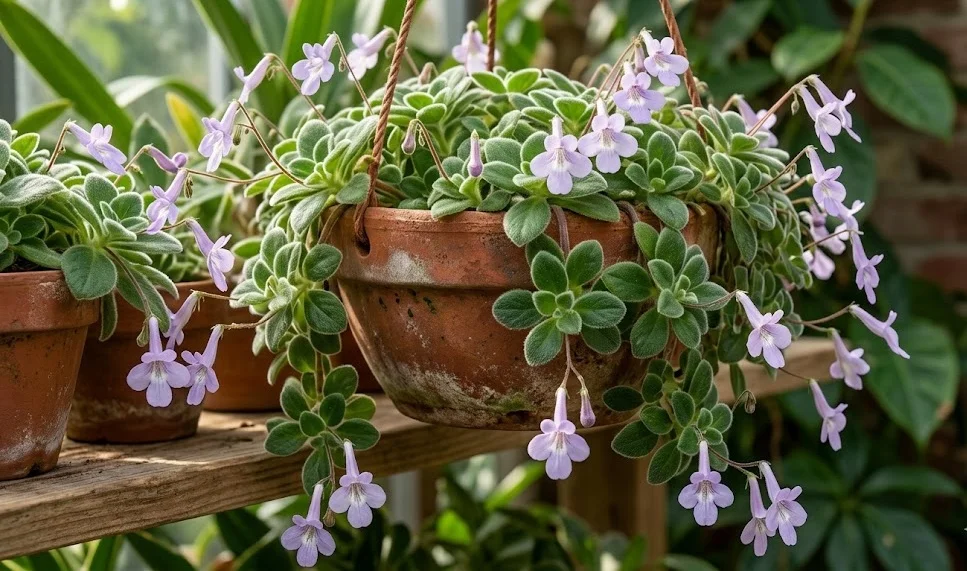

Proper hydration and nutrition are the two most critical factors in maintaining a healthy and vibrant Cape primrose. Because these plants have semi-succulent stems and delicate root systems, they require a nuanced approach to both watering and feeding. Getting this balance right ensures that the plant remains turgid, produces lush foliage, and yields a continuous supply of beautiful flowers. Understanding the specific needs of this species will help any gardener avoid the common pitfalls that lead to plant decline.
The first rule of watering is to always check the moisture level of the soil before adding more liquid. Stick your finger about an inch into the substrate; if it feels dry to the touch, it is time to water. Conversely, if the soil still feels damp, it is better to wait another day or two to prevent over-saturation. This plant prefers a “soak and dry” cycle where the soil is allowed to become nearly dry but never completely parched.
Water temperature and quality can have a significant impact on the health of the leaves and roots. Always use water that is at room temperature, as cold water can shock the plant and cause unsightly spots on the foliage. If your tap water is heavily chlorinated or contains high levels of minerals, consider using filtered water or rainwater instead. Allowing tap water to sit out overnight can also help dissipate some of the chemicals that might be harmful to sensitive plants.
The method of application is just as important as the quantity of water provided to the plant. It is best to water from the bottom by placing the pot in a tray of water and allowing it to soak up moisture for about twenty minutes. This technique ensures that the roots receive hydration without getting the leaves wet, which can lead to fungal issues. If you must water from the top, be careful to pour the water directly onto the soil and avoid the crown of the plant.
Recognizing signs of improper watering
Overwatering is the most frequent cause of failure when growing the false African violet, especially for those new to the hobby. When the soil remains constantly wet, the roots are deprived of oxygen and begin to rot, leading to a rapid decline. You might notice the leaves becoming soft, mushy, and yellow, even though the soil is saturated with water. If this occurs, it is vital to stop watering immediately and allow the plant to dry out thoroughly.
More articles on this topic
Under-watering, on the other hand, causes the plant to lose its internal pressure and results in a characteristic drooping appearance. The leaves will feel limp and may eventually become crispy and brown at the edges if the drought persists. Fortunately, this species is quite resilient and will usually perk up quickly once a thorough watering is provided. However, frequent cycles of extreme drying can stress the plant and reduce its ability to produce flowers.
The appearance of the leaves can often serve as a visual guide to the plant’s hydration status. Healthy leaves should be firm, vibrant green, and covered in a fine layer of healthy hairs that catch the light. If the foliage looks dull or the growth seems stunted, it is often a sign that the watering schedule needs adjustment. Consistency is key, as regular but appropriate moisture levels promote the most stable and attractive growth patterns.
In some cases, the soil itself may become “hydrophobic” if it has been allowed to stay dry for too long. When this happens, water will simply run off the surface and down the sides of the pot without actually soaking into the root ball. If you notice water draining out immediately after application, try submerging the entire pot in a bucket of water for half an hour. This ensures that the peat-based medium is fully rehydrated and capable of holding moisture again for the plant’s use.
Nutritional requirements for optimal growth
Fertilizing the false African violet is essential for providing the chemical building blocks needed for photosynthesis and blooming. These plants are moderate feeders that benefit from a consistent supply of nutrients during their active growing season. A balanced, water-soluble fertilizer with a slightly higher phosphorus content is generally recommended to encourage flowering. Look for a product with an N-P-K ratio like 15-30-15 or something specifically formulated for gesneriads.
More articles on this topic
The concentration of the fertilizer should be much lower than what is typically recommended on the product packaging. It is a professional best practice to dilute the fertilizer to half or even a quarter of the suggested strength. This “weakly, weekly” approach prevents the buildup of salts in the soil which can damage the sensitive root tips. Providing small, frequent doses of nutrition mimics the natural availability of nutrients in the wild.
During the winter months, when the plant’s metabolism slows down, you should significantly reduce or stop fertilization altogether. Feeding a plant that is not actively growing can lead to a toxic accumulation of minerals in the potting medium. As the light levels increase in the spring, you can gradually reintroduce the feeding routine to support new growth. Always ensure the soil is moist before applying fertilizer to prevent root burn.
Organic options, such as seaweed extract or compost tea, can also be used to provide a more holistic range of micronutrients. These natural fertilizers often contain trace elements that are not found in synthetic products but are vital for long-term plant health. Some growers find that alternating between synthetic and organic feeds produces the best results in terms of both foliage quality and bloom count. Experimenting with different products can help you find the perfect nutritional balance for your specific environment.
Managing salt buildup and soil health
Over time, the minerals from tap water and fertilizers can accumulate in the soil, creating a white, crusty layer on the surface. This salt buildup is harmful because it can draw moisture out of the plant’s roots and interfere with nutrient uptake. To prevent this, it is important to “leach” the soil every few months by running clear, room-temperature water through the pot. Allow the water to drain freely through the bottom holes to wash away the excess minerals.
The health of the soil is directly linked to the plant’s ability to process the water and nutrients you provide. If the soil becomes compacted or loses its structure, the roots will struggle to function regardless of how much fertilizer you use. Replacing the top inch of soil with fresh potting mix once a year can help refresh the medium without the stress of a full repotting. This simple maintenance task keeps the root zone aerated and productive.
If you notice that your plant is not responding to fertilization, it could be due to an improper soil pH level. This species prefers a slightly acidic environment, typically between 5.5 and 6.5, for optimal nutrient absorption. Most commercial mixes for African violets are already adjusted to this range, but long-term use of hard water can raise the pH. Using a simple soil test kit can provide clarity if you suspect a chemical imbalance is hindering growth.
Watching the tips of the leaves for brown spots can provide an early warning of nutrient or salt issues. These symptoms often appear when the plant is trying to shed excess minerals through its foliage. If you see these signs, take a break from fertilizing and focus on providing high-quality, filtered water for several weeks. A healthy Cape primrose should have clear, green leaf margins without any signs of chemical distress or burn.
Seasonal adjustments to the care plan
As the environment changes with the passing seasons, so too must your approach to watering and feeding. In the heat of summer, the plant will transpire more quickly and may require watering every few days. During this peak period, the demand for nutrients is also at its highest as the plant produces a constant stream of new flowers. Being attentive to these increased needs will prevent the plant from becoming exhausted during the long summer days.
In the autumn, as the temperature drops and the sun sits lower in the sky, the plant’s water consumption will decrease. You will notice that the soil stays damp for longer, meaning you should extend the time between watering sessions. This is also the signal to begin tapering off the fertilizer applications to prepare the plant for its winter rest. Aligning your actions with the natural rhythms of the plant is the secret to sustained horticultural success.
The dry air caused by indoor heating systems in the winter can be a challenge for maintaining proper hydration. While the roots may not need much water, the leaves can suffer from the low humidity levels in the home. Using a misting bottle can be helpful, but only if you ensure the leaves can dry quickly to avoid rot. A better solution is often a nearby humidifier which provides a constant, gentle moisture level for all your indoor plants.
Spring represents a time of awakening and a rapid return to more intensive care routines. As you see the first new leaves emerging from the center of the plant, you can begin to increase the frequency of watering. Start with a very dilute fertilizer to “wake up” the root system before moving to full-strength seasonal feeding. This transition phase is critical for setting the stage for a spectacular year of growth and beauty.