
Pruning is an essential task that helps maintain the shape, health, and productivity of this charming garden shrub. By removing old or crowded wood, you encourage the plant to produce the fresh new growth that carries the most beautiful flowers and berries. The process is not difficult, but doing it at the right time and with the correct technique will yield the best results for your landscape. A well-pruned specimen will always be more attractive and resilient than one that is left to grow entirely on its own.
Tools and timing
The best time to perform your main pruning is in late winter or very early spring, just before the new growth begins to emerge. This timing allows you to see the structure of the bare branches clearly and ensures that the plant heals quickly as the sap starts to flow. You should avoid pruning in the late autumn or early winter, as this can expose the fresh cuts to damage from deep frost. Following this natural cycle gives the plant the best start for a vigorous and productive year ahead.
You will need a pair of sharp, clean bypass secateurs to make clean cuts that heal quickly and don’t crush the delicate stems. For older shrubs with thicker branches at the base, a small pruning saw or a pair of loppers might be necessary to get the job done easily. It is vital to disinfect your tools before you start and between different plants to prevent the accidental spread of any diseases. High-quality tools make the job much more enjoyable for you and much safer for the health of your shrub.
Start by identifying the “three Ds” of pruning: dead, damaged, and diseased wood, which should always be removed first. Cutting these problematic branches back to healthy wood or all the way to the ground improves the overall hygiene of the plant. This initial cleanup often reveals the natural shape of the shrub and makes it easier to decide which further cuts are needed. You will find that even a small amount of this maintenance work can dramatically improve the look of your garden.
When making a cut, always try to prune just above a healthy, outward-facing bud at a slight angle away from the bud itself. This technique encourages the new growth to move away from the center of the plant, which keeps the interior open to light and air. The angled cut also ensures that any rainwater runs off the wound rather than sitting on top and potentially causing rot. These small details in your technique are what ensure the long-term health and beauty of the stems.
More articles on this topic
Rejuvenation pruning techniques
If you have an old shrub that has become very woody or has lost its vigor, a more drastic rejuvenation pruning may be required. This involves cutting about one-third of the oldest stems right back to the ground each year over a three-year period. This “staggered” approach allows the plant to stay productive while gradually replacing its entire structure with fresh, young wood. You will be amazed at how quickly the plant responds with strong new shoots from the base of the root crown.
Alternatively, for a very neglected or overgrown plant, you can choose to cut the entire shrub down to about ten centimeters from the ground in early spring. This is known as “coppicing” and will result in a very dense and uniform burst of new growth during the following summer. While you might miss out on flowers and berries for one season, the long-term benefit of a completely renewed plant is well worth the wait. This method is a great way to save a plant that has grown out of its designated space or looks unsightly.
After a heavy pruning session, it is important to provide the plant with a little extra care to help it recover from the shock. Applying a layer of fresh mulch and a balanced organic fertilizer will give the roots the nutrients they need to support the new growth. You should also ensure that the plant stays well-watered during the first few weeks as the new shoots begin to expand. This support system ensures that the rejuvenation process is successful and the plant returns to its full glory quickly.
Thinning out the center of the shrub is another important part of maintaining its health and ensuring a good display of berries. By removing some of the weaker or crossing branches, you allow more sunlight to reach the inner parts of the plant where it is needed. This improved light penetration results in a more even distribution of flowers and berries across the entire surface of the shrub. A well-thinned plant is also much less likely to suffer from fungal issues due to the improved air circulation through the stems.
More articles on this topic
Shaping for berry display
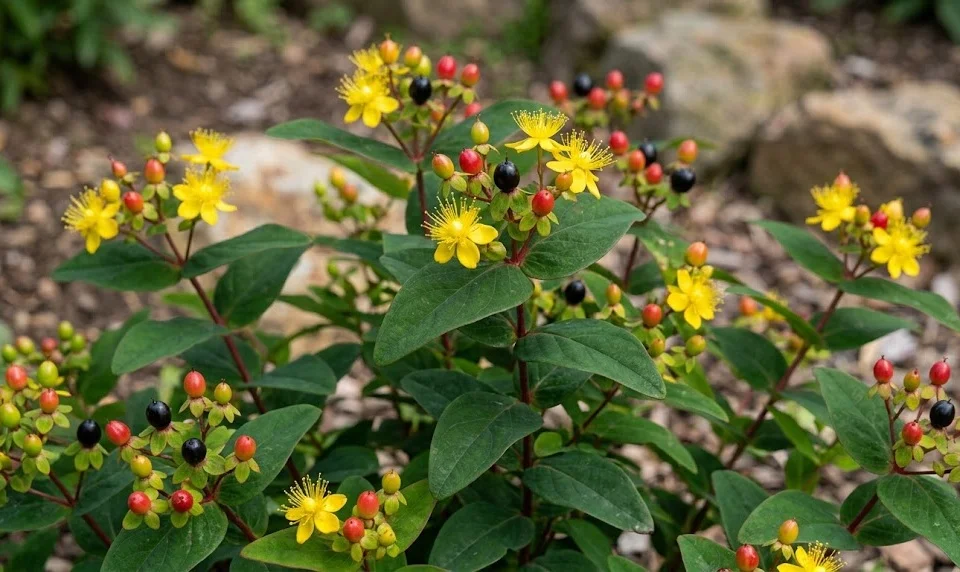
Since the berries are the primary ornamental feature for many gardeners, pruning should be done with their future display in mind. The flowers and subsequent berries are produced on the tips of the current season’s growth, so you want to encourage as much new wood as possible. By cutting back the previous year’s stems by about half, you stimulate the plant to produce multiple new side shoots. Each of these new shoots will eventually carry its own cluster of colorful berries in the late summer months.
You can also use pruning to manage the overall height and width of the shrub to fit perfectly within your specific garden design. If you want a more compact and rounded shape, you should prune the tips of the branches more frequently during the early spring. This constant “pinching” encourages a denser habit with more leaves and a smaller footprint in your flower bed. If you prefer a more natural and arching woodland look, you can be much more selective and gentle with your cuts.
Harvesting the berried stems for floral arrangements is actually a very effective form of light summer pruning that benefits the plant. When you cut a stem for a vase, you are essentially performing a “deadheading” action that can sometimes stimulate the plant to produce more growth. Just be sure to use the same clean cutting techniques that you would use during your main spring pruning session. This allows you to enjoy the beauty of your garden both indoors and out while still caring for the plant.
Consistency is the final key to success when it comes to keeping your tutsan looking its absolute best through the years. A little bit of pruning every year is much better for the plant than a major, stressful overhaul every five or ten years. By making it a regular part of your garden routine, you will become familiar with the growth patterns of your specific shrub. Your dedication to these small tasks will be rewarded every year with a spectacular display of golden flowers and glossy black berries.