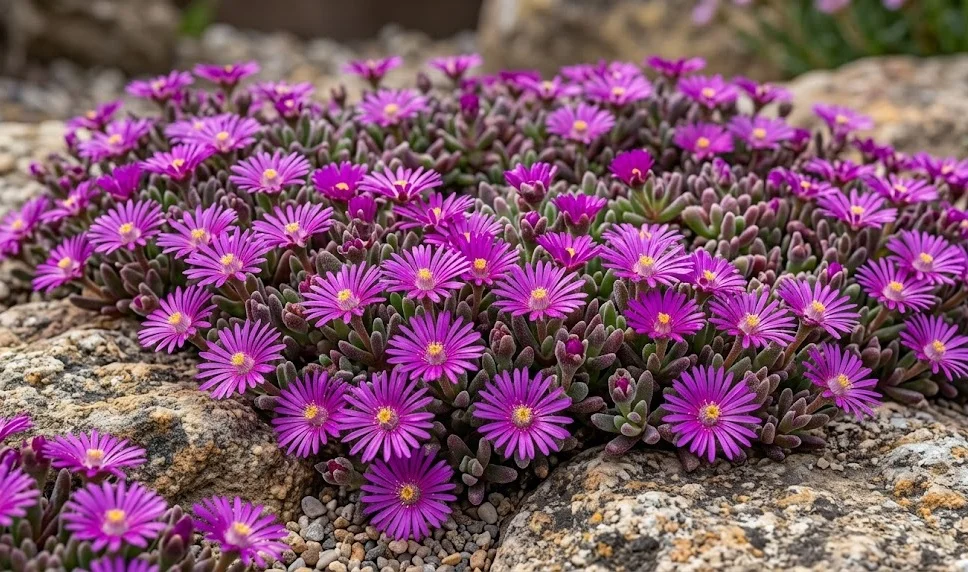

Successful establishment of a new succulent colony depends heavily on the initial steps taken during the planting process and the subsequent propagation efforts. You must approach the task with a focus on soil preparation and site selection to ensure that the young plants have the best possible start. The hardy ice plant is known for its ability to root easily from various parts, making it a favorite for those who wish to expand their garden quickly. Understanding the biological mechanisms behind root development will help you achieve a high success rate with every new endeavor.
Before you even dig the first hole, you should spend time evaluating the drainage capacity of your chosen site. You can perform a simple percolation test by filling a small hole with water and observing how quickly it disappears into the soil. If the water lingers for more than an hour, you will need to amend the area with inorganic materials like gravel or crushed stone. This initial investment in infrastructure pays off by preventing the most common cause of plant failure in succulents.
Choosing the right time of year for planting is also a key factor in the long-term success of your garden project. Late spring or early summer is generally considered the best period because the soil has warmed up and the plants are entering their peak growth phase. You want to give the roots enough time to establish themselves firmly before the stresses of winter arrive. This window of opportunity allows the plant to build up the energy reserves necessary for survival and future expansion.
The spacing of your new plants should reflect their mature size and their natural tendency to spread rapidly across the ground. You should place individual plugs about twelve to eighteen inches apart to allow for proper air circulation and future growth. While the area may look a bit sparse initially, you will be surprised at how quickly the gaps close as the stems begin to creep. Planning for this expansion prevents overcrowding and ensures that each plant receives its fair share of light and nutrients.
Mastering the planting technique
When you are ready to put your plants in the ground, start by digging a hole that is only slightly larger than the root ball. You should avoid planting too deeply, as burying the crown can lead to moisture retention and subsequent rot. Position the plant so that the base of the stems sits exactly at the soil surface or slightly above it. This careful positioning encourages water to flow away from the sensitive center of the plant during heavy rains.
More articles on this topic
Filling the hole with a specialized succulent mix or your amended garden soil provides the roots with a familiar and supportive environment. You should gently firm the soil around the base of the plant to remove any large air pockets that could cause the roots to dry out. However, be careful not to pack the earth too tightly, as this can impede the movement of water and oxygen through the substrate. A light touch is always better when dealing with the delicate structures of young succulent plants.
After the planting is complete, a very light application of water helps to settle the soil and hydrate the roots without saturating the area. You should monitor the new arrivals closely for the first few weeks, ensuring they receive enough moisture to stay turgid but not so much that the soil stays wet. This transition period is when the plant is most vulnerable, so your attention to detail is particularly important now. Once you see new growth appearing, you can begin to reduce the frequency of your supplemental watering.
Adding a thin layer of mineral mulch, such as pea gravel or decorative stones, around the new plants offers several functional benefits. You will find that this layer helps to suppress weed growth while also keeping the foliage from coming into direct contact with damp soil. It also adds a professional, finished look to your garden beds that complements the natural beauty of the succulents. This final step in the planting process provides a protective barrier that supports the plant’s health and aesthetic appeal.
Propagation through stem cuttings
One of the most rewarding aspects of growing these succulents is the ease with which you can create new plants from existing ones. You should look for healthy, vigorous stems that are not currently in bloom for the best propagation results. Using a clean, sharp knife or garden scissors, snip off a section of the stem that is about three to four inches long. This simple action is the first step toward expanding your garden collection without any additional cost.
More articles on this topic
Once you have taken your cuttings, it is crucial to let the severed ends dry and form a callus for a day or two. You should place them in a shaded, dry area where air can circulate freely around the cut surface. This callusing process acts as a natural seal that prevents pathogens from entering the stem once it is placed in the soil. Skipping this step often leads to the cutting rotting before it has a chance to develop any new roots.
After the callus has formed, you can insert the cuttings into a pot filled with a well-draining propagation medium or directly into a prepared garden bed. You only need to bury the stem deep enough to keep it upright, as roots will soon emerge from the nodes along the buried section. Keeping the medium slightly moist but never soggy is the secret to encouraging rapid root development. You will know the propagation is successful when you feel resistance if you give the cutting a very gentle tug.
The success rate for stem cuttings is remarkably high, especially during the warm months of the active growing season. You can use this method to fill in bare spots in your garden or to create beautiful gifts for fellow gardening enthusiasts. This approach also allows you to select the most vigorous and colorful specimens for further cultivation in your landscape. Understanding the power of vegetative propagation gives you total control over the future of your succulent garden.
Division and seed starting methods
For larger, established clumps that have become too dense, division is an excellent way to rejuvenate the plant and gain new starts. You should carefully lift the entire clump with a garden fork, being mindful to keep as much of the root system intact as possible. Use your hands or a clean knife to separate the clump into smaller sections, ensuring that each piece has a healthy set of roots and foliage. This process not only provides new plants but also improves the health of the original parent plant.
Replanting these divisions immediately into prepared soil will minimize transplant shock and encourage quick re-establishment. You should treat these new sections much like the original plantings, paying close attention to their water needs for the first few weeks. Division is best performed in the early spring just as the plant is beginning its new growth cycle. This timing allows the divisions to take full advantage of the entire growing season to build up their strength.
Starting from seed is another option, though it requires more patience and a bit more technical skill than vegetative methods. You should sow the tiny seeds on the surface of a fine succulent starting mix, as they require light to germinate properly. Keep the tray in a warm, bright location and mist the surface regularly to maintain a consistent level of humidity. Germination usually occurs within a few weeks, after which you can gradually introduce the seedlings to more direct light.
Once the seedlings have developed several sets of true leaves, they are ready to be transplanted into individual pots or a protected nursery bed. You should handle these young plants with extreme care, as their tissues are very soft and easily damaged. While it takes longer to achieve a full carpet of color from seeds, it is a fascinating process that allows you to observe the entire life cycle of the plant. Whether you choose cuttings, division, or seeds, the result will be a beautiful addition to your outdoor space.