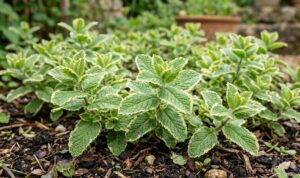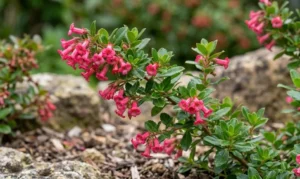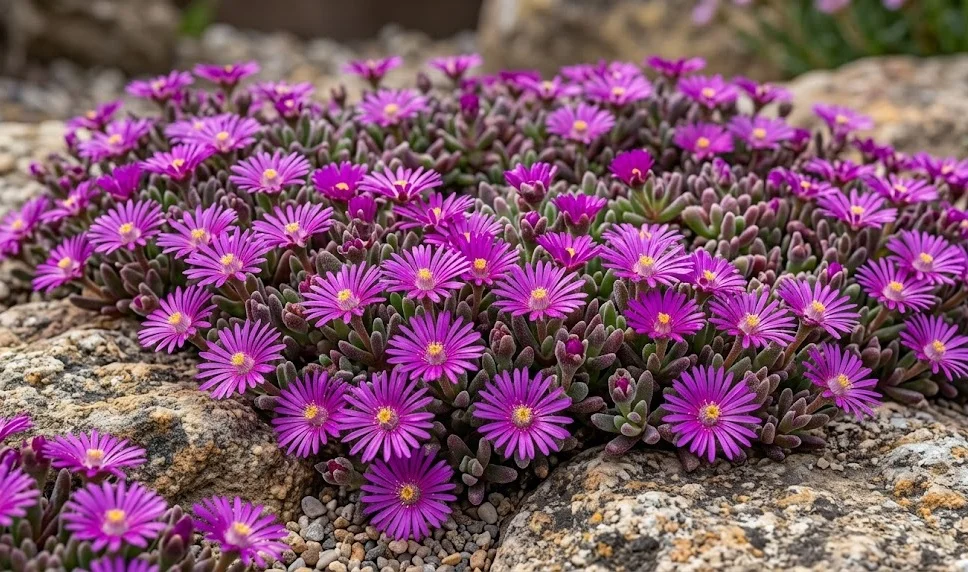

Successful cultivation of these vibrant succulents begins with a comprehensive understanding of their unique physiological needs within a temperate garden setting. You should prioritize creating an environment that mimics their native high-altitude habitats while adjusting for local humidity levels and seasonal shifts. Gardeners often appreciate how these plants transform rocky outcrops into shimmering carpets of purple blossoms during the warmest months of the year. Consistency in monitoring soil moisture and air circulation will ensure that your landscape remains healthy and visually striking throughout the growing season.
Establishing a routine for seasonal maintenance is essential for keeping the foliage lush and the flowers abundant. You need to observe the plant’s reaction to temperature changes, as the leaves often change color slightly to indicate environmental stress or dormancy. Removing debris from around the base of the plant prevents moisture retention that could lead to crown rot in late autumn. Professional landscapers recommend checking the integrity of the soil structure at least twice a year to maintain optimal growing conditions.
The selection of companion plants plays a significant role in the overall health and aesthetic appeal of your garden beds. Choosing species with similar low-water requirements ensures that no single plant is over-watered or outcompeted for vital resources. You can create beautiful contrasts by pairing these purple flowered succulents with silver-foliaged perennials or structural ornamental grasses. This strategic grouping not only looks professional but also simplifies your gardening chores by unifying the maintenance schedule.
Long-term care involves more than just reactive measures; it requires a proactive approach to soil health and nutrient management. You should periodically test the pH levels of your garden soil to ensure it remains within the slightly acidic to neutral range. Over time, even the hardiest plants can exhaust local mineral deposits, necessitating a thoughtful replenishment strategy. By focusing on the biological life within the soil, you support a robust root system that can withstand unexpected weather extremes.
Advanced soil management for succulents
Creating the perfect substrate is perhaps the most critical step in ensuring the longevity of your hardy ice plant collection. You should aim for a mixture that provides excellent aeration while allowing excess water to drain away rapidly from the sensitive root zone. Traditional garden soil is often too heavy and retains too much moisture, which can be detrimental during periods of heavy rainfall. Incorporating coarse sand, fine gravel, or perlite into your planting area will significantly improve the physical properties of the earth.
More articles on this topic
The depth of the soil profile also matters when you are designing a dedicated rock garden or a sloping border. You need to ensure that the roots have enough space to expand horizontally, as these plants are known for their spreading growth habit. While they do not require deep topsoil, the quality of the drainage layer beneath the surface is of paramount importance. Avoiding areas where water naturally pools after a storm will save you from common root-related issues in the future.
Mineral content should be balanced to reflect the rocky terrains where these species naturally evolve and thrive. You do not need to provide highly fertile organic matter, as excessive nitrogen can lead to weak, leggy growth and fewer flowers. Instead, focus on a lean soil mix that encourages the plant to remain compact and resilient against various environmental stressors. A professional tip is to use a top dressing of crushed stone to keep the foliage off the damp soil.
Maintaining the structural integrity of your garden beds involves preventing compaction over several growing seasons. You should avoid walking directly on the planting areas to keep the pore spaces in the soil open for oxygen exchange. If you notice the soil becoming hard or crusty, gently loosen the top layer without disturbing the shallow root systems of the succulents. This simple act of aeration promotes better water infiltration and helps the plant maintain its vigorous spreading pace.
Seasonal growth patterns and monitoring
As the temperatures begin to rise in early spring, you will notice the first signs of renewed life in the succulent tissues. This is the ideal time to clear away any winter damage and prepare the area for the upcoming burst of floral activity. You should look for new green shoots emerging from the center of the clumps, signaling that the roots have successfully awakened. Keeping a garden journal can help you track these phenological shifts and anticipate the needs of your landscape.
More articles on this topic
During the peak of summer, the plant reaches its maximum metabolic rate and produces its most intense floral displays. You will see the flowers opening wide in response to direct sunlight, a mechanism designed to attract pollinators efficiently. If the heat becomes extreme, the leaves may take on a slightly puckered appearance, which is a natural defense against excessive transpiration. Understanding these visual cues allows you to adjust your care routine without overreacting to temporary changes in appearance.
The transition into autumn brings a slow reduction in growth as the plant prepares for the colder months ahead. You should notice the vibrant green of the foliage deepening or even taking on a reddish tint as the sugars concentrate in the leaves. This physiological change is a vital part of the plant’s hardening-off process, making it more resistant to freezing temperatures. Reducing any supplemental care during this period encourages the plant to enter its natural state of rest.
Winter monitoring is primarily focused on moisture control rather than temperature management in most temperate zones. You need to ensure that the plant remains relatively dry, as the combination of cold and wet is the biggest threat to its survival. If your region experiences frequent freeze-thaw cycles, check that the roots have not been heaved out of the ground by the shifting soil. Simply firming the soil around the base of the plant can prevent desiccation and root damage during the harshest weeks.
Effective tools for succulent maintenance
Using the right equipment makes a significant difference in the precision and ease of your gardening tasks throughout the year. You should invest in a high-quality pair of micro-tip pruning shears for detailed work around the delicate succulent stems. These tools allow you to remove spent blossoms and damaged foliage without harming the healthy parts of the plant. Keeping your blades sharp and clean is essential for preventing the spread of any potential pathogens between different areas of your garden.
A hand-held weeding tool with a narrow profile is perfect for removing unwanted competition from between the low-growing mats. You need to be careful not to disrupt the shallow roots of the ice plant while you are extracting deep-rooted weeds. Since these succulents form a dense groundcover, weeding is usually only necessary during the early stages of establishment. Once the mat is fully formed, it naturally suppresses most weed seeds by blocking light from reaching the soil surface.
For soil testing, a simple moisture meter can be a valuable asset for any gardener who wants to be precise. You can use this device to check the water levels at the root zone before deciding whether to provide supplemental irrigation. This takes the guesswork out of the process and helps prevent the common mistake of over-watering drought-tolerant species. Knowing exactly what is happening beneath the surface will give you more confidence in your long-term management decisions.
Protective gear, such as lightweight gardening gloves, will keep your hands comfortable while you work in the sun and soil. While the ice plant itself is not thorny, the rocky environments where it grows can be abrasive to the skin. You should also consider using a padded kneeling mat to provide comfort during extended periods of maintenance at ground level. Taking care of your own physical well-being ensures that gardening remains an enjoyable and sustainable activity for years to come.
Integrating ice plants into the landscape
The versatile nature of this species allows it to be used in various creative ways across a modern or traditional garden. You can use it as a living mulch to cover bare spots and reduce soil erosion on sunny embankments. Its ability to cascade over stone walls makes it an excellent choice for adding vertical interest to a multi-leveled garden design. By considering the mature spread of the plant, you can plan your space to accommodate its natural desire to expand.
In urban environments, these succulents are perfect for rooftop gardens and containers where weight and water availability are major concerns. You should choose wide, shallow pots that allow the stems to creep over the edges and create a “spiller” effect. Using a high-quality succulent potting mix in these containers will provide the necessary drainage for long-term health. The reflected heat from buildings and pavement often mimics the plant’s native environment, leading to exceptional flowering.
Pathways and walkways can be softened by planting small plugs of ice plant along the edges where they can slowly fill the gaps. You will enjoy the way the flowers brighten up the hardscape and create a transition between structural elements and natural plantings. It is important to place them in areas where they will not be stepped on frequently, as the fleshy leaves are easily crushed. This strategic placement adds a layer of professional detail that elevates the overall look of your property.
Combining different varieties of succulents can create a tapestry of textures and colors that remains interesting even when nothing is in bloom. You should experiment with different flower shades, ranging from deep purple to bright pink, to find the combination that best fits your vision. The low profile of the ice plant makes it an ideal foreground species that doesn’t block the view of larger shrubs or trees. This layering technique is a hallmark of expert garden design and creates a sense of depth in small spaces.
Evaluating environmental stressors
Plants often face challenges from the environment that can affect their growth and overall vitality if not managed correctly. You should be aware of how high humidity levels can impact the health of succulents that prefer dry air. In regions with stagnant air, providing extra space between plants can help improve circulation and reduce the risk of leaf issues. Observing how your garden reacts to local weather patterns is the best way to become an expert in your specific microclimate.
Salt tolerance is a unique feature of some ice plants, making them suitable for coastal gardens where sea spray is common. You can use this to your advantage if you live near the ocean, as many other ornamental plants struggle in such conditions. However, even salt-tolerant species benefit from an occasional rinsing with fresh water to remove excess deposits from their foliage. This simple maintenance task keeps the stomata clear and allows the plant to breathe and photosynthesize efficiently.
Extreme heat waves can sometimes cause the plant to go into a temporary semi-dormancy to conserve its internal moisture. You might see the colors fade slightly or the leaves become more compact during these periods of intense solar radiation. Providing a very light afternoon shade can help the plant stay vibrant if the temperatures consistently exceed its comfort zone. Most of the time, however, these resilient succulents will bounce back as soon as the weather moderates.
In contrast, prolonged periods of cloudy and wet weather can lead to a loss of vigor and increased susceptibility to rot. You should ensure that your drainage systems are working perfectly before the rainy season begins to minimize these risks. If you notice any mushy or blackened stems, remove them immediately to prevent the problem from spreading to the rest of the colony. Being vigilant during weather shifts is the key to maintaining a professional-grade succulent garden.
Long term sustainability and health
A sustainable garden is one that works in harmony with its surroundings and requires minimal external inputs to thrive. You can achieve this by selecting plants like the hardy ice plant that are naturally adapted to low-water environments. By reducing your reliance on chemical fertilizers and excessive irrigation, you create a more balanced ecosystem for local wildlife and beneficial insects. This approach not only saves time and money but also contributes to the overall health of the local environment.
Encouraging biodiversity in your garden helps to naturally control pests and diseases that might otherwise target a monoculture. You should include a variety of flowering plants that bloom at different times to provide a consistent food source for pollinators. The nectar-rich flowers of the ice plant are particularly attractive to bees and butterflies during the height of summer. Watching these visitors interact with your plants adds a rewarding dimension to the experience of being a garden owner.
Over the years, you may find that the center of older plants begins to thin out or become woody in appearance. You can rejuvenate these patches by carefully tucking healthy stems into the bare spots and encouraging them to root. This natural cycle of growth and renewal ensures that your carpet of color remains thick and vibrant for a long time. Sharing cuttings with neighbors and friends is also a great way to spread the joy of gardening and keep the local plant population healthy.
Ultimately, the goal of expert care is to create a landscape that brings beauty and peace to your daily life. You should take the time to sit and enjoy the results of your hard work, observing the intricate details of the succulent leaves and flowers. Each season brings new lessons and opportunities to refine your skills and deepen your connection with the natural world. By following these professional guidelines, you ensure that your hardy ice plant remains a highlight of your garden for many years.