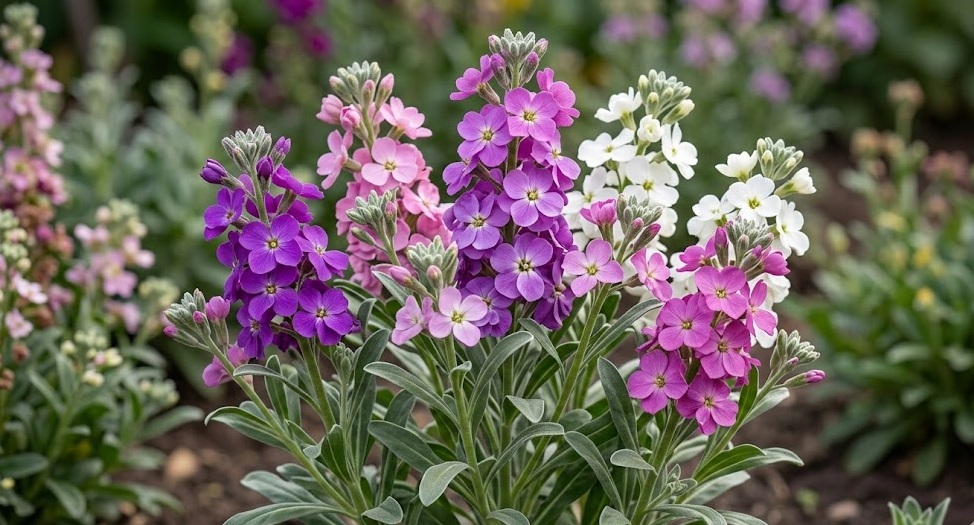

Strategic pruning and deadheading are vital techniques for maintaining the health and aesthetic appeal of hoary stock. These practices influence the plant’s architecture, the duration of its blooming season, and its overall resistance to environmental stressors. A professional approach to cutting ensures that the plant directs its energy into the most desirable outcomes, such as vibrant new flowers and strong, disease-resistant foliage. By mastering these manual interventions, you can significantly elevate the quality of your garden display.
The art and science of deadheading
Deadheading is the process of removing spent flower spikes before they have a chance to develop seeds. For hoary stock, this is a critical task because the plant naturally wants to complete its reproductive cycle by producing seed pods. When you remove the dying flowers, you “trick” the plant into producing secondary blooms to try again. This professional technique can extend the flowering season by several weeks, keeping your garden fragrant and colorful for longer.
To deadhead correctly, you should follow the flower stem down to the first set of healthy leaves or a side bud. Use a sharp, clean pair of bypass pruners to make a clean cut at a 45-degree angle. This angle prevents water from sitting on the cut surface, which reduces the risk of fungal infection. Being precise with your cuts ensures that the plant can heal quickly and redirect its nutrients to the remaining buds.
The timing of deadheading is important for maintaining a tidy appearance and preventing the plant from becoming top-heavy. You should inspect your plants every few days and remove any flowers that have lost their color or begun to wilt. This constant maintenance prevents the build-up of decaying organic matter, which can attract pests and pathogens. A well-deadheaded garden always looks fresh, intentional, and professionally managed.
In the late season, you may choose to stop deadheading on a few select plants to allow them to produce seeds for next year. This is a strategic decision that trades late-season beauty for future propagation material. You should choose your strongest and most beautiful plants for this purpose to ensure high-quality genetics for your next crop. Balancing the desire for immediate blooms with the need for future plants is a mark of a thoughtful gardener.
More articles on this topic
Structural pruning for plant vigor
Structural pruning involves the removal of stems or leaves to improve the overall shape and health of the plant. For hoary stock, this often means thinning out crowded interior growth to improve air circulation and light penetration. You should look for any stems that are growing inward or crossing over each other and remove them at the base. This “opening up” of the plant is one of the most effective ways to prevent foliar diseases like powdery mildew.
If a plant becomes too “leggy” or stretched out, a more aggressive pruning can sometimes encourage a bushier growth habit. You can pinch back the main growing tip early in the season to stimulate the development of side branches. While this may slightly delay the first bloom, it results in a sturdier plant with more flower spikes overall. This professional trick is particularly useful for varieties that tend to get tall and floppy in lower-light conditions.
Removing damaged, diseased, or yellowing leaves is a continuous task that supports the plant’s immune system. These “sink” tissues consume energy without contributing to the plant’s growth and can act as entry points for pathogens. You should always use sterilized tools when removing diseased material and dispose of it away from the garden. Maintaining a clean “canopy” allows the plant to focus all its resources on healthy, productive growth.
In some cases, you may need to prune for size if the hoary stock is outgrowing its allocated space in a mixed border. Always try to make your cuts in a way that preserves the natural form of the plant rather than shearing it into a rigid shape. Soft, selective pruning maintains the professional, “humanized” look of a well-tended garden. Understanding the growth habit of your specific variety allows you to prune with confidence and precision.
More articles on this topic
Tool maintenance and professional hygiene
The quality of your tools directly affects the health of your plants and the ease of your gardening tasks. You should invest in high-quality pruning shears that feel comfortable in your hand and hold a sharp edge. Dull tools crush the plant tissues rather than cutting them, leading to jagged wounds that take much longer to heal. Regularly sharpening your blades is a simple maintenance task that makes a professional difference in the garden.
Sanitation is the most critical part of tool maintenance, especially when moving between different plants. You should wipe your blades with a solution of 70% isopropyl alcohol or a mild bleach solution after every few cuts. This prevents the accidental transmission of viruses, bacteria, and fungal spores from one plant to another. This level of discipline is what separates a professional horticulturalist from a casual hobbyist.
After each gardening session, you should clean your tools to remove any sap, dirt, or moisture. Applying a light coating of oil to the metal parts prevents rust and keeps the mechanisms moving smoothly. Store your tools in a dry, organized place where they are protected from the elements. Taking care of your equipment ensures that it is always ready to perform when your plants need attention.
Finally, always wear gloves and consider eye protection when performing more extensive pruning tasks. While hoary stock is not particularly hazardous, some people find the sap can be a mild irritant to sensitive skin. Being prepared with the right safety gear and well-maintained tools allows you to work efficiently and safely. Expert gardening is as much about the preparation and the process as it is about the final result in the flower bed.