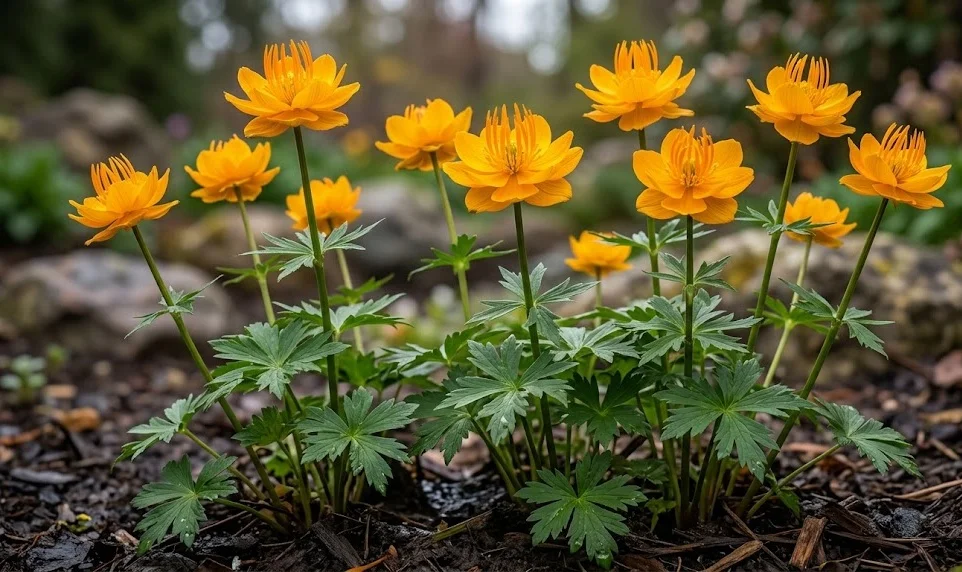

The Chinese globeflower is a perennial that is quite specific about its light exposure, as this directly influences both the quality of its foliage and the abundance of its blooms. In its native habitat, it is often found in damp meadows or along the edges of woodlands, where it receives a mix of direct and filtered light. Finding the perfect balance in a domestic garden is key to preventing the plant from becoming stressed by excessive heat or stunted by too much shade. By observing how light moves through your space, you can position these plants for maximum aesthetic and physiological success.
In general, the Chinese globeflower prefers a location that offers “part shade,” which typically means about four to six hours of sunlight a day. Ideally, this light should come in the morning when the temperatures are cooler and the sun is less intense. Morning sun provides the energy needed for photosynthesis and flower production without the drying effects of the midday heat. Providing a respite from the harsh afternoon sun helps the plant maintain the high moisture levels it requires in its tissues and the surrounding soil.
If you live in a northern climate with cooler summers, the Chinese globeflower can often tolerate, and even thrive in, a full-sun position. The key factor in this scenario is soil moisture; if the roots are kept consistently wet, the plant can handle the extra solar radiation. However, in southern or inland regions where summers are hot and dry, full sun will quickly lead to leaf scorch and a premature end to the flowering season. In these warmer zones, providing dappled shade throughout the day is a much safer and more effective strategy for long-term health.
On the other end of the spectrum, placing the Chinese globeflower in deep, heavy shade will result in a plant that is weak and spindly. While the foliage may remain green, the plant will struggle to produce its signature orange flowers, and the stems may become elongated as they “stretch” toward the light. You might also find that the plant is more susceptible to fungal issues like powdery mildew when it is kept in a dark, stagnant corner. A spot that receives bright, indirect light for most of the day is the minimum requirement for a healthy and productive specimen.
Managing heat and direct sunlight exposure
The relationship between light and heat is the most critical factor to manage when growing the Chinese globeflower. Even if the light levels are technically correct, a spot that reflects a lot of heat—such as next to a brick wall or a concrete patio—can be detrimental. These “heat sinks” can raise the ambient temperature significantly, causing the plant to lose water faster than it can take it up. When selecting a site, look for areas with natural cooling, such as near a lawn, a pond, or other lush vegetation that transpires moisture into the air.
More articles on this topic
If you find that your globeflowers are struggling in a spot that gets too much direct sun, there are several professional ways to provide relief. Planting taller, airy perennials or shrubs nearby can create a “moving shade” that protects the plants during the hottest part of the day. Plants like Thalictrum or ornamental grasses can provide a light, dappled shadow without completely blocking out the sun. This layered approach to garden design mimics the plant’s natural environment and creates a more resilient microclimate for all your moisture-loving species.
During particularly intense heatwaves, you may need to provide temporary artificial shade to prevent the delicate blooms from wilting. A simple piece of shade cloth or even a strategically placed garden umbrella can make a huge difference during a record-breaking afternoon. This is especially important if you are growing globeflowers for a specific event or if they are in their peak flowering week. Protecting the plant from UV stress during these times will prolong the life of the flowers and keep the foliage looking fresh.
Observation is your best tool for determining if the light levels in your garden are appropriate for your Chinese globeflowers. If the leaves start to look “tired,” turn yellow, or develop brown, crispy edges, it is a strong sign that they are getting too much sun or heat. Conversely, if the plant hasn’t bloomed for two years and looks thin, it probably needs a bit more light. Don’t be afraid to move a plant in the early spring if you realize its current location isn’t meeting its specific light and temperature needs.
Adjusting placement for different climates and seasons
The ideal light exposure for a Chinese globeflower can actually change throughout the growing season as the angle of the sun shifts. In the early spring, when the trees are still leafless, the plants may receive a lot of direct sun, which is great for warming up the soil and jump-starting growth. As the season progresses and the canopy fills in, the increasing shade provides the necessary protection from the summer heat. This natural progression is one reason why these plants do so well in woodland edge environments.
More articles on this topic
You should also consider how the light quality changes in your specific geographic location when deciding where to plant. At higher altitudes or in very clear, dry climates, the UV index is much higher, and the sun’s rays are more intense even at lower temperatures. In these areas, you should prioritize shade more than you would in a coastal or humid region where the atmosphere filters more of the light. Tailoring your placement to your local conditions is what separates a good gardener from a great one.
Companion planting can also be used to manage light levels dynamically throughout the year. For example, planting globeflowers near deciduous shrubs means they get plenty of light in the spring but are shaded during the summer. This is an excellent way to maximize the use of space in a small garden while meeting the needs of several different types of plants. By thinking about the three-dimensional and seasonal aspects of light, you can create a garden that is both beautiful and highly functional.
Finally, remember that the intensity of light can also affect the color and duration of the globeflower’s blossoms. In slightly shadier spots, the orange color often appears deeper and more saturated, and the flowers may last a few days longer because they aren’t being “bleached” by the sun. In very bright spots, the color might appear more golden, and the flowering period may be more intense but shorter. Understanding these subtle effects allows you to fine-tune the visual impact of your Chinese globeflowers to suit your personal preference.