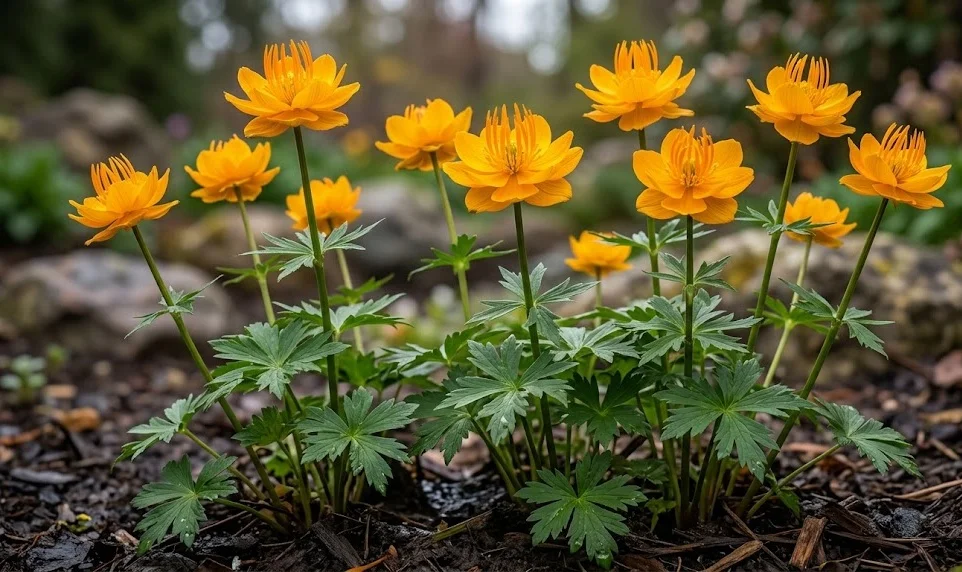

While the Chinese globeflower is generally a hardy and resilient perennial, it is not entirely immune to the challenges of diseases and pests. Most issues that arise are directly related to the plant’s environment, specifically the high moisture levels that it requires to thrive. By understanding the common threats and knowing how to identify the early signs of trouble, you can take quick action to protect your garden. A proactive approach to plant health is always more effective than trying to manage a full-blown infestation or infection.
One of the most frequent problems gardeners face with this species is powdery mildew, which appears as a white, flour-like dusting on the leaves. This fungal disease usually strikes in late summer when the air is humid and the nights begin to cool down. While it rarely kills the plant, it can significantly weaken it and make the foliage look unsightly for the rest of the season. Increasing air circulation around the plants and avoiding overhead watering are the best ways to keep this particular fungus at bay.
If you notice the leaves of your globeflower turning brown and mushy at the base, you might be dealing with crown rot. This is a more serious condition often caused by poorly drained soil or by planting the crown too deep in the earth. Once crown rot takes hold, it is very difficult to treat, and the affected plant may need to be removed to prevent the spread to neighbors. Ensuring that your soil is rich in organic matter but still allows for some vertical movement of water is the best preventative measure.
Slugs and snails are the most common animal pests that you will encounter when growing moisture-loving plants like the globeflower. These creatures thrive in the same damp, mulched environments that the plants enjoy, and they can quickly shred the delicate new foliage in the spring. You may see large, irregular holes in the leaves or telltale silvery trails across the soil surface after a rainy night. Using organic slug pellets or physical barriers like copper tape can help protect your plants from these nocturnal feeders.
Fungal pathogens and leaf spot diseases
In addition to powdery mildew, the Chinese globeflower can sometimes fall victim to various types of fungal leaf spots. These typically manifest as small, dark circles with lighter centers that can eventually merge and cause entire leaves to wither. These pathogens thrive in wet conditions, especially when the foliage remains damp for long periods during the day. If you see infected leaves, it is important to remove them immediately and dispose of them in the trash, not the compost pile.
More articles on this topic
Botrytis, also known as gray mold, is another fungal threat that can affect the flowers and stems during particularly rainy springs. It appears as a fuzzy, grayish growth that can cause the flower buds to rot before they even have a chance to open. This disease is highly contagious among plants, so removing any affected tissue as soon as it is spotted is critical for containment. Keeping the garden clear of dead organic matter and debris will also reduce the number of fungal spores present in the environment.
The key to managing fungal issues is to focus on the cultural conditions that allow them to flourish in the first place. You should ensure that your plants are not overcrowded, as this creates a stagnant pocket of humid air that fungi love. Thinning out the surrounding vegetation or slightly increasing the spacing between your globeflowers can make a world of difference. When you do have to use a treatment, look for organic fungicides based on sulfur or neem oil, which are effective yet gentle on the ecosystem.
Root rot is perhaps the most devastating fungal issue because it happens out of sight beneath the soil surface. If a plant appears to be wilting despite having plenty of water, it is possible that the roots have already begun to decay. You can sometimes save a plant by lifting it, cutting away the rotted portions, and replanting it in a better-drained location. However, it is far better to address soil drainage issues before planting to ensure the roots always have access to the oxygen they need.
Identifying and managing common insect pests
Aphids are small, sap-sucking insects that can occasionally cluster on the tender new growth and flower buds of the Chinese globeflower. They can cause the leaves to curl and become distorted, and they often excrete a sticky substance called honeydew that attracts ants. A strong blast of water from a garden hose is often enough to dislodge them and reduce their numbers significantly. For more persistent infestations, an application of insecticidal soap or a mixture of water and a few drops of dish soap can be very effective.
More articles on this topic
Spider mites are another potential problem, particularly during hot, dry spells when the plant might be slightly stressed. These tiny pests are difficult to see with the naked eye, but their presence is usually marked by fine webbing on the undersides of the leaves. They suck the chlorophyll out of the plant cells, leading to a stippled or bronzed appearance on the foliage. Maintaining high humidity around the plant and keeping the soil consistently moist will usually prevent spider mites from becoming a major issue.
Occasionally, you might find the larvae of certain sawflies or beetles feeding on the leaves, which can lead to significant defoliation if left unchecked. These caterpillars can be remarkably well-camouflaged, so you should look closely at both sides of the leaves if you notice sudden damage. Hand-picking the larvae is the most environmentally friendly way to deal with them if you only have a few plants. For larger areas, products containing Bacillus thuringiensis (Bt) can target the larvae without harming beneficial insects like bees or butterflies.
The presence of ants around your globeflowers is usually a secondary sign that you have an aphid or scale problem nearby. While the ants themselves don’t typically harm the plants, they will actively protect the aphids from natural predators like ladybugs. By controlling the sap-sucking insects, you will naturally see a decrease in ant activity as their food source disappears. This integrated approach to pest management looks at the whole ecosystem of your garden rather than just treating a single symptom.
Preventive measures and organic control strategies
Building a resilient garden starts with choosing healthy plants and placing them in the environment where they are most likely to succeed. A Chinese globeflower that is stressed by drought or too much direct sun is much more susceptible to both pests and diseases. By meeting the plant’s basic needs for moisture and nutrition, you are giving it the best possible immune system. Think of your care routine as the first line of defense against any potential biological threats.
Encouraging natural predators in your garden is one of the most effective long-term strategies for pest control. Ladybugs, lacewings, and hoverflies are all voracious consumers of aphids and other small soft-bodied insects. You can attract these beneficial insects by planting a variety of flowers that provide them with pollen and nectar throughout the season. Avoid using broad-spectrum chemical pesticides, as these often kill the “good bugs” along with the “bad bugs,” leading to more problems in the long run.
Maintaining strict garden hygiene is another essential preventive measure that every professional gardener follows. At the end of the season, remove all dead foliage and spent flower stems to eliminate hiding spots for overwintering pests and fungi. If you had a particular problem with a disease during the summer, do not compost that material, as some spores can survive the composting process. Starting the new spring season with a clean slate significantly reduces the pressure on your plants as they emerge.
Using physical barriers and organic sprays can provide an extra layer of protection when environmental factors are working against you. For example, applying a thin layer of diatomaceous earth around the base of the plant can deter slugs and other crawling insects. Similarly, a preventative spray of diluted milk or baking soda can change the pH on the leaf surface, making it less hospitable for powdery mildew. these simple, non-toxic methods allow you to maintain a healthy garden while protecting the local environment.
Long-term monitoring and integrated management
Regularly walking through your garden and inspecting your plants is the best way to catch problems before they become unmanageable. You should get into the habit of looking under the leaves and checking the base of the stems every few days. Early detection often means that you can solve a problem with a simple pruning or a quick spray of water. This intimate knowledge of your plants allows you to notice subtle changes in color or texture that might signal the beginning of a health issue.
Keeping a garden log can be incredibly helpful for identifying patterns in pest and disease activity from year to year. You might notice that powdery mildew always appears in the first week of August, allowing you to start preventative treatments in late July. It can also help you track which varieties of globeflowers or which locations in your garden are more prone to certain issues. This data-driven approach takes the guesswork out of plant care and makes you a much more effective gardener.
When a problem does arise, always start with the least invasive treatment possible and work your way up only if necessary. This concept, known as Integrated Pest Management (IPM), prioritizes cultural, mechanical, and biological controls over chemical ones. For example, if you see a few aphids, you might start by squashing them by hand, then move to a water spray, and finally to an organic soap if the population grows. This graduated response protects the overall health of your garden’s ecosystem.
Ultimately, the goal is not to have a completely sterile garden, but one where the plants are strong enough to withstand minor damage. A few holes in a leaf or a small patch of mildew won’t kill a healthy Chinese globeflower or ruin its spectacular bloom. By focusing on the big picture and providing consistent care, you can enjoy these beautiful plants with minimal stress. A well-managed garden is a place of balance where both the plants and the local wildlife can thrive together.