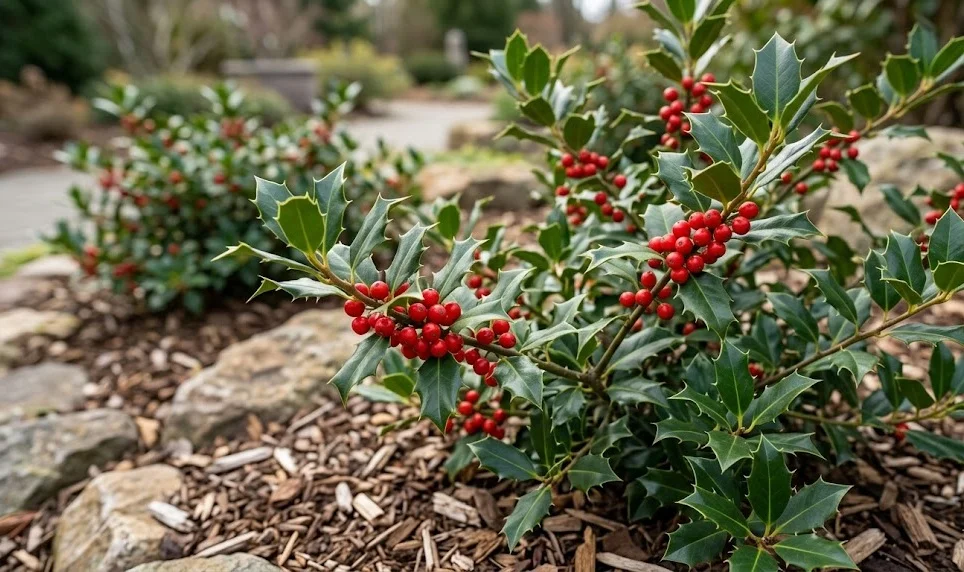

Protecting your Chinese holly from potential biological threats is a primary responsibility for any serious gardener or landscape professional. While this species is generally robust, it is not entirely immune to the various fungi, bacteria, and insects that inhabit the garden. You must be proactive in your approach, focusing on prevention and early detection to keep these problems from becoming major outbreaks. A healthy plant is its own best defense, but even the strongest specimens can sometimes need a bit of professional assistance.
The first step in managing pests and diseases is learning to identify the specific signs and symptoms of each common issue. You should spend time regularly inspecting the foliage, stems, and even the base of the plant for any unusual changes. Discolored leaves, sticky residues, or strange growths are all indicators that something is not right in the plant’s environment. Early intervention is always the most effective way to handle a problem before it spreads to the rest of your collection.
Cultural practices play a massive role in reducing the risk of disease and keeping pest populations at a manageable level. You should ensure that the plant has enough space for air to circulate and that the soil conditions are optimal for root health. Many pests are attracted to plants that are already stressed by drought, poor nutrition, or improper planting. By maintaining a high standard of general care, you significantly lower the chances of a minor issue turning into a catastrophe.
When a problem does arise, you should have a toolkit of both organic and professional-grade solutions ready to go. You should always start with the least toxic method and only move to more aggressive chemical treatments if the situation warrants it. Understanding the life cycle of common pests and the conditions that favor fungal growth allows you to time your treatments for maximum impact. A professional approach to plant health is balanced, informed, and always mindful of the surrounding ecosystem.
Identifying and managing fungal pathogens
Fungal diseases are among the most common issues you will face when growing any type of evergreen holly. You should be on the lookout for leaf spot, which appears as small, dark circles that can eventually cause the foliage to drop. These fungi thrive in damp, humid conditions where the air is stagnant and the leaves remain wet for long periods. If you notice these spots, the first step is to improve air circulation and avoid overhead watering to keep the leaves dry.
More articles on this topic
Powdery mildew is another fungal issue that can occasionally affect the glossy leaves of the Chinese holly. You will see a white, dusty coating on the surface of the leaves, which can stunt growth and make the plant look unsightly. This pathogen often appears during periods of high humidity combined with cool nights and warm days. Pruning out the most affected areas and using a sulfur-based spray can help keep the mildew under control without harming the plant.
Root rot is a much more serious fungal problem that can lead to the rapid death of even a mature specimen. You might notice the entire plant beginning to wilt and turn yellow, even if the soil seems moist to the touch. This is almost always a result of poor drainage or over-watering, which allows soil-borne fungi like Phytophthora to attack the root system. To save the plant, you must immediately address the drainage issues and may need to apply a specialized fungicide to the soil.
Canker is a fungal or bacterial disease that attacks the bark and the underlying vascular tissue of the stems. You should look for sunken, discolored areas on the branches that may be oozing a dark liquid or showing signs of cracking. These cankers can eventually girdle the branch, cutting off the supply of water and nutrients to the leaves above. The only effective treatment is to prune out the infected wood several inches below the visible canker, being sure to sterilize your tools between every cut.
Managing common insect pests
Scale insects are perhaps the most persistent and damaging pests that you will find on your Chinese holly. You should inspect the stems and the undersides of the leaves for small, immobile bumps that look like tiny armored shells. These insects suck the sap from the plant, weakening it over time and often secreting a sticky substance called honeydew. A heavy infestation can lead to leaf drop and a general decline in the plant’s overall vigor and health.
More articles on this topic
Aphids are another common sap-sucking pest that tends to cluster on the tender new growth in the spring. You will see them as small, soft-bodied insects that can be green, black, or even reddish in color. They cause the new leaves to become distorted and curled, and like scale, they also produce honeydew that attracts ants. A strong blast of water from the garden hose is often enough to dislodge most of them, but persistent populations may require more attention.
Holly leaf miners are specialized pests that lay their eggs inside the leaf tissue, where the larvae then feed and create unsightly tunnels. You will see light-colored, wandering lines or blotches on the surface of the leaves where the miners have been active. While they rarely kill the plant, they can significantly damage its aesthetic value and weaken its ability to photosynthesize. Pruning off the most affected leaves and disposing of them away from the garden can help break the insect’s life cycle.
Spider mites are tiny pests that thrive in hot, dry conditions and can quickly skeletonize the foliage if left unchecked. You should look for fine webbing between the leaves and a stippled, yellowed appearance on the leaf surface. Because they are so small, you can test for them by shaking a branch over a piece of white paper and looking for tiny moving dots. Increasing the humidity around the plant and using insecticidal soap are effective ways to manage these microscopic invaders.
Cultural and biological control methods
The best way to manage pests and diseases is to create an environment where they simply cannot thrive in the first place. You should prioritize proper spacing and pruning to ensure that every part of the plant gets plenty of light and air. Keeping the area around the base of the holly clear of fallen leaves and debris reduces the places where pathogens can overwinter. These simple cultural adjustments are the foundation of any professional integrated pest management (IPM) program.
Encouraging beneficial insects in your garden is a highly effective and natural way to keep pest populations under control. You should avoid using broad-spectrum pesticides that kill the ladybugs, lacewings, and predatory mites that feed on aphids and scale. Planting a variety of flowers nearby can provide a habitat for these helpful insects, creating a self-regulating ecosystem. When the natural predators are present, you will find that you rarely need to intervene with chemical sprays.
Soil health is another critical component of natural disease resistance that you should never overlook in your care routine. You should ensure the soil is rich in organic matter and has a healthy population of beneficial microbes. These microorganisms can often outcompete pathogenic fungi and help the plant’s roots absorb nutrients more efficiently. A plant that is well-nourished and growing in healthy soil is much better able to heal from minor pest damage.
If you must use a spray, consider starting with horticultural oils or insecticidal soaps, which have a lower impact on the environment. These products work by suffocating the insects or disrupting their cell membranes rather than using toxic chemicals. They are especially effective against scale and mites when applied during the dormant season or in the early spring. Always follow the label instructions carefully to ensure you are using the product safely and effectively for both the plant and the gardener.
Professional intervention and chemical solutions
When a pest or disease problem becomes severe, you may need to turn to more specialized chemical treatments to save the plant. You should always choose a product that is labeled specifically for the problem you are facing and for use on evergreen shrubs. Systemic insecticides can be very effective against difficult-to-reach pests like scale and leaf miners because they are absorbed into the plant’s tissues. However, these should be used sparingly and only when other methods have failed to produce results.
Timing is everything when it comes to applying chemical treatments for maximum effectiveness and safety. You should apply sprays in the early morning or late evening when the wind is calm and the temperatures are cooler. Avoid spraying when the holly is in full bloom to protect any pollinators that may be visiting the flowers. Understanding the specific life stages of the pest you are targeting allows you to apply the treatment exactly when it will do the most damage to the invaders.
Safety is a top priority whenever you are working with professional-grade garden chemicals in your landscape. You should always wear protective clothing, including gloves and eye protection, and keep pets and children away from the area until the spray has dried. Be mindful of runoff and drift, ensuring that the chemicals do not end up in nearby water sources or on your neighbor’s property. Proper storage and disposal of these products are also essential parts of being a responsible and professional gardener.
If you are unsure about the diagnosis of a problem, don’t hesitate to consult with a local agricultural extension office or a professional arborist. They can often provide a definitive identification and suggest the most effective treatment for your specific region. Taking a sample of the affected foliage or pests to an expert can save you a lot of time and money in the long run. Professional advice is an invaluable resource when you are dealing with a complex or persistent plant health issue.
Long-term monitoring and prevention strategies
Once you have successfully treated a pest or disease, your focus should shift back to long-term monitoring and prevention. You should continue to inspect the plant regularly to ensure that the problem does not return or that new issues haven’t taken its place. Keeping a record of the symptoms you saw and the treatments you used will help you be better prepared for future growing seasons. This proactive mindset is what separates a professional caretaker from a casual gardener.
As the holly grows, its susceptibility to certain issues may change, and you should be ready to adapt your strategy accordingly. A larger, denser shrub may need more aggressive pruning to maintain air circulation than it did when it was younger. Conversely, a mature plant with a deep root system may be more resilient to the drought stress that attracts certain pests. Staying in tune with the plant’s life stages allows you to provide the right kind of support at the right time.
Integrating the Chinese holly into a diverse landscape is one of the best long-term strategies for preventing major outbreaks. A monoculture of any plant species is a target for pests and diseases, but a varied garden provides a more stable and resilient environment. By surrounding your holly with a mix of other trees, shrubs, and perennials, you create a complex ecosystem that is harder for any single threat to dominate. This holistic approach is the key to a beautiful and healthy garden that lasts for many years.
Ultimately, the goal of managing pests and diseases is to allow the Chinese holly to reach its full aesthetic and biological potential. You should take pride in your ability to protect and nurture such a magnificent evergreen throughout its long life. Every challenge you face is an opportunity to learn more about the fascinating world of plant pathology and entomology. With a professional approach and a watchful eye, your holly will continue to thrive and bring joy to everyone who sees it.