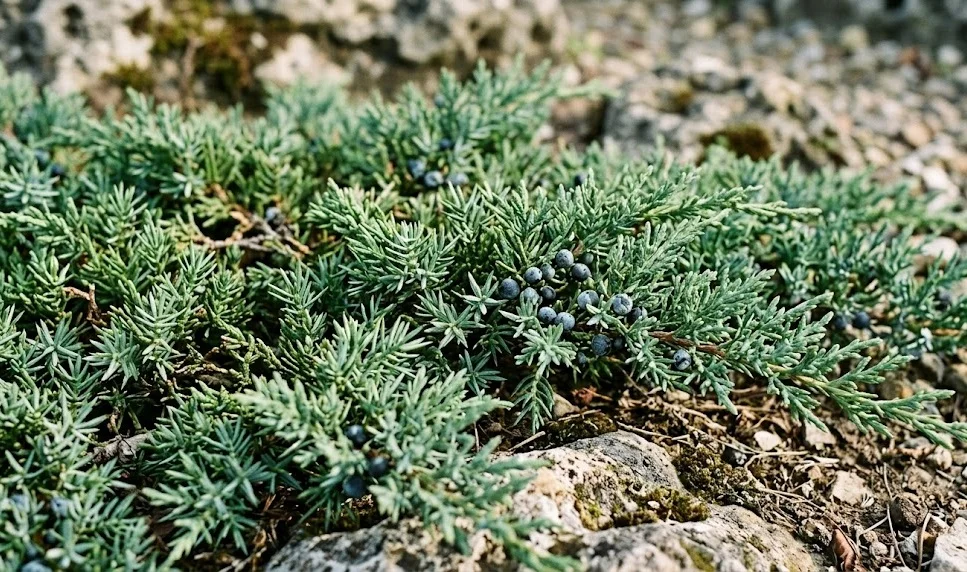

Properly managing the hydration and nutritional needs of the savin juniper is the cornerstone of a successful long-term gardening strategy. While this species is famous for its ability to survive in harsh, dry conditions, it still requires a thoughtful approach to watering during its initial years. Providing the right balance of moisture and minerals allows the plant to develop the thick, protective bark and dense foliage that define its appearance. By mastering these two fundamental aspects of care, you ensure that your shrub remains a vibrant and healthy part of your landscape.
The physiological needs of the plant change significantly as it moves from a young sapling to a mature, established shrub. In the beginning, the focus is on supporting root expansion, which requires frequent but light watering to keep the soil surface from drying out. Once the roots have reached deeper into the earth, the plant becomes much more self-sufficient and can tolerate longer periods of drought. Understanding this transition is vital for avoiding the common mistake of overwatering mature specimens.
Fertilization should be approached with a “less is more” philosophy, as junipers are generally efficient at extracting nutrients from the soil. Over-fertilizing can lead to excessive, soft growth that is more susceptible to disease and physical damage from the weather. The goal is to provide just enough support to maintain steady growth and a deep green color in the needles. Observing the plant’s response to your interventions will help you fine-tune your approach over the coming seasons.
Environmental factors like rainfall, temperature, and soil type will all influence how often you need to intervene with the hose or the fertilizer spreader. A gardener who stays in tune with the local weather patterns will always have healthier plants than one who follows a rigid, unchanging schedule. Developing an intuitive sense of the plant’s needs comes with time and careful observation of how the foliage looks and feels. With the right care, the savin juniper can be one of the most low-maintenance and rewarding plants in your entire garden.
Water needs during the establishment phase
When a savin juniper is first planted, its root system is confined to the small area of the original root ball. This means it has a very limited capacity to seek out moisture in the surrounding soil, making it highly dependent on your watering routine. You should aim to keep the root zone consistently moist but never soggy, as excess water can quickly lead to root rot in young plants. Checking the soil moisture by hand is the most reliable way to determine if it is time to water.
More articles on this topic
During the first growing season, you may need to water the plant two or three times a week, especially if the weather is particularly warm or windy. Apply the water slowly at the base of the plant to allow it to soak deeply into the ground rather than running off. This encourages the roots to grow downward into the cooler, moister layers of the soil, which is essential for future drought tolerance. A deep soaking is always more beneficial than a frequent, shallow sprinkling of the surface.
As the plant enters its second year, you can begin to gradually reduce the frequency of your watering sessions. The roots should now be expanding into the native soil, giving the plant access to a much larger reservoir of moisture. You should still monitor the plant during dry spells, but it will no longer require the same level of constant attention as it did initially. This phase is about transitioning the plant toward the independence that characterizes mature junipers.
Pay close attention to the color and texture of the needles, as they are the first indicators of water stress. If the foliage begins to look dull or feels brittle to the touch, it may be a sign that the plant is not receiving enough moisture. On the other hand, yellowing needles near the base of the plant can sometimes indicate that the soil is staying too wet for too long. Adjusting your watering habits based on these visual cues is the best way to ensure the plant stays on a healthy track.
Drought resistance and mature plant care
Once a savin juniper has been in the ground for three or more years, it is considered established and highly resistant to drought. Its extensive and deep root system allows it to tap into moisture deep within the earth that other plants cannot reach. In many climates, natural rainfall is sufficient to meet the needs of a mature specimen without any supplemental watering from the gardener. This makes it an ideal choice for xeriscaping or for areas of the garden that are difficult to reach with a hose.
More articles on this topic
During periods of extreme and prolonged drought, even a mature juniper can benefit from an occasional deep soaking. If you notice the growth slowing down significantly or the plant looking slightly stressed, a single long watering every few weeks can make a big difference. Focus the water on the area under the outer edge of the branches, known as the drip line, where the most active roots are located. This targeted approach ensures that the water goes exactly where the plant can use it most efficiently.
One of the greatest risks to a mature juniper is actually overwatering, especially in gardens with automatic irrigation systems. If the soil is kept constantly wet, the roots can begin to suffocate and die, leading to a rapid decline in the health of the entire shrub. It is important to ensure that any irrigation is directed toward the lawn or more water-hungry plants, leaving the juniper’s soil relatively dry. Maintaining this balance is the key to preventing the most common cause of death for older specimens.
Mulching continues to be beneficial for mature plants, as it helps to conserve the moisture that is already present in the soil. A good layer of organic mulch also suppresses weeds that would otherwise compete with the juniper for water and nutrients. As the mulch breaks down, it improves the soil’s ability to hold water, further enhancing the plant’s natural drought resistance. This simple maintenance task provides multiple layers of protection for the long-term health of the shrub.
Spring fertilization for vigorous growth
The best time to apply fertilizer to a savin juniper is in the early spring, just as the new growth is beginning to emerge. This timing ensures that the nutrients are available to the plant during its most active period of expansion and metabolic activity. A single application in the spring is usually all that is required to keep the plant healthy for the rest of the year. Avoid fertilizing in late summer or autumn, as this can stimulate new growth that won’t have time to harden before winter.
Choosing the right type of fertilizer is important for maintaining the natural growth habit and health of the shrub. A balanced, slow-release granular fertilizer with an N-P-K ratio such as 10-10-10 or 12-12-12 is often the best choice for general purposes. These products release their nutrients slowly over several weeks, providing a steady supply of food rather than a sudden, overwhelming burst. This approach mimics the natural way that nutrients become available in a forest environment.
When applying granular fertilizer, scatter it evenly over the soil surface under the branches and slightly beyond the drip line. Be careful to keep the granules away from the trunk of the plant, as direct contact can cause chemical burns to the sensitive bark. After spreading the fertilizer, water the area thoroughly to help the nutrients dissolve and move down into the root zone. This ensures that the plant can begin taking up the minerals immediately and reduces the risk of leaf scorch.
If your soil is naturally rich and the plant is showing strong, healthy growth, you may find that fertilization is not necessary at all. Many junipers thrive in relatively poor soils and can actually be harmed by the introduction of too many nutrients. If the needles are a vibrant green and the plant is adding a few centimeters of new growth each year, it is likely getting everything it needs from the earth. Trusting the plant’s own vigor is often the best course of action for an experienced gardener.
Choosing the right nutrient balance
While a balanced fertilizer is a good starting point, sometimes a plant may show specific signs of a nutrient deficiency that requires a more targeted approach. For example, a lack of magnesium can sometimes cause the tips of the needles to turn yellow or brown while the rest of the plant remains green. In such cases, an application of Epsom salts or a specialized micronutrient spray can quickly resolve the problem. Identifying these specific needs allows you to provide more precise and effective care.
Nitrogen is the primary nutrient responsible for the lush, green growth of the foliage that makes evergreens so attractive. However, too much nitrogen can lead to rapid, leggy growth that lacks the structural strength to support itself. If you notice that the branches are becoming weak or the foliage is unusually soft, you should reduce the amount of nitrogen in your next fertilizer application. Achieving the right balance is about supporting the plant’s natural form rather than pushing it toward unnatural growth.
Phosphorus and potassium are also vital for the overall health of the shrub, supporting root development and disease resistance. Phosphorus is particularly important during the early stages of a plant’s life, helping it to establish a strong foundation in the soil. Potassium helps the plant regulate its water usage and strengthens its internal tissues against environmental stressors like frost and heat. A fertilizer that includes these elements in the correct proportions will support a well-rounded and resilient specimen.
Organic fertilizers, such as well-rotted compost or fish emulsion, can be excellent alternatives to synthetic products for many gardeners. These materials improve the overall health of the soil by supporting beneficial microbes and improving soil structure over time. They tend to release their nutrients even more slowly than synthetic slow-release products, providing a very gentle and sustainable food source. Incorporating organic matter into your care routine is a great way to build a healthy ecosystem in your garden.
Soil quality and organic amendments
The health of your savin juniper is inextricably linked to the quality of the soil in which it grows. Over time, even the best soil can become depleted of essential minerals or can become compacted by foot traffic and weather. Regularly adding organic amendments to the soil surface is one of the best ways to maintain a healthy growing environment for the long term. These materials act as a slow-motion fertilizer and a soil conditioner all in one.
Compost is perhaps the most valuable organic amendment you can use, as it contains a wide range of nutrients and beneficial microorganisms. Spread a thin layer of compost over the root zone each spring before applying a fresh layer of mulch. This helps to maintain a diverse and active soil food web, which in turn helps the juniper’s roots absorb nutrients more efficiently. It also improves the soil’s drainage and aeration, which is critical for preventing root-related issues.
If your soil is particularly heavy or lacks structure, you can also use amendments like leaf mold or aged bark to improve its physical characteristics. These materials break down slowly, providing a long-term source of carbon and helping to keep the soil loose and permeable. Over several years, the consistent use of organic amendments can transform even poor, rocky ground into a thriving garden bed. The juniper will respond to these improvements with deeper roots and more resilient foliage.
Always be mindful of the pH of your soil when choosing amendments, as junipers have a slight preference for neutral to slightly alkaline conditions. Some organic materials, like peat moss or certain types of pine bark, can gradually lower the soil pH over time. If your soil is already acidic, you may need to balance these amendments with a small amount of garden lime to maintain the ideal range. Keeping the soil chemistry in balance ensures that all your hard work in watering and fertilizing truly pays off.