Pruning and cutting back red trillium

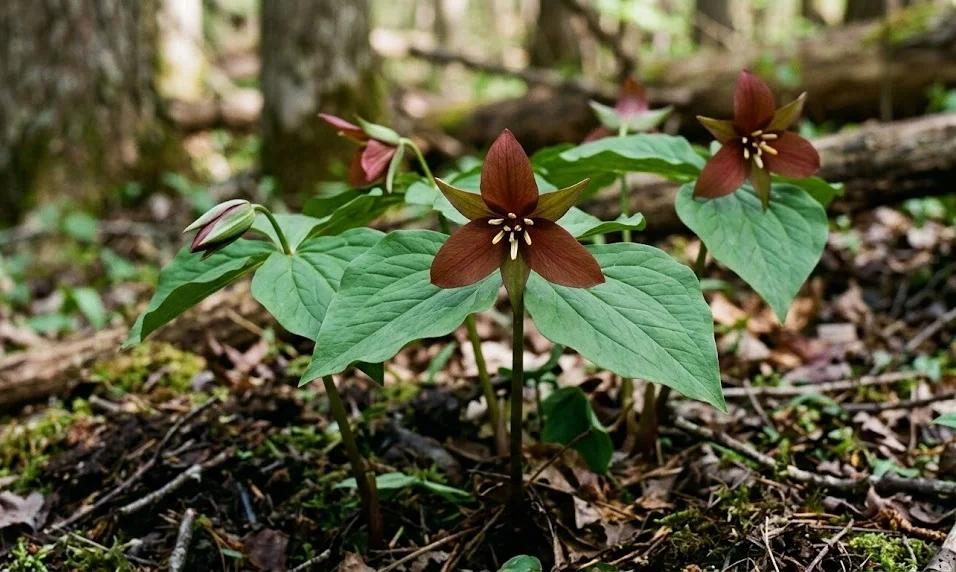
Red trillium needs very little pruning because its stems and leaves complete an essential energy-storage process before dormancy. The foliage should remain in place while it is green, even after flowering has finished. Cutting is mainly limited to removing fully dead material or clearly diseased tissue. Careful timing protects the underground rhizome and supports stronger growth in the following spring.
Leaving healthy foliage untouched
Green leaves manufacture carbohydrates that are stored in the rhizome. This stored energy supports future shoots, roots, and flowers. Removing foliage too early weakens the plant even when the visible season is almost finished. Allow every healthy leaf to complete its natural cycle.
Do not cut stems simply because the flower has faded. The plant may be developing a fruit containing viable seed. Even when seed is not required, the leaves remain active. Flowering is only one stage of the annual growth process.
Yellowing often occurs gradually rather than all at once. Wait until the entire stem is brown, dry, and easily detached. Partly green material should remain. Patience during this period directly contributes to future performance.
Avoid tying or bundling declining leaves. This reduces light exposure and traps moisture around the stems. Let the foliage remain open and naturally positioned. Companion plants can disguise it without interfering with the process.
More articles on this topic
Removing spent flowers and seed heads
Deadheading is optional rather than essential. Remove a fading flower only when seed production is unwanted or the tissue shows signs of disease. Use clean, sharp scissors to avoid tearing the stem. Leave all healthy leaves intact.
Allowing seed to mature can support natural colony development. The fruit should remain until it softens and reaches its ripe colour. Seed may then be collected or left for natural dispersal. Remember that seedlings develop very slowly.
Seed production requires energy, but it rarely causes serious harm to a healthy mature plant. Weak or recently transplanted specimens may benefit from having the developing fruit removed. This directs more resources toward rhizome recovery. Make the decision according to the condition of the individual plant.
Never pull seed heads forcefully. The entire stem can loosen from the rhizome if handled roughly. Support the stalk and make a precise cut. Clean tools afterward if any tissue appears mouldy or discoloured.
More articles on this topic
Cutting back after complete dormancy
Once the stems are fully dry, they can be removed at ground level. Use scissors or secateurs rather than pulling from resistant tissue. A clean cut reduces accidental disturbance of the shallow rhizome. Dispose of material that carries spots, mould, or other disease symptoms.
Healthy dry stems can be left temporarily if they mark the plant’s location. They may help prevent accidental digging during summer or autumn. Remove them before they become untidy or collapse into wet mulch. A separate label provides more reliable long-term identification.
Do not dig around the crown while cutting back. New buds may already be forming underground for the following season. Deep weeding and cultivation can injure them. Work from the surface with deliberate, shallow movements.
Sterilise tools when moving between diseased plants. Alcohol or another suitable disinfectant can reduce pathogen transfer. Allow the blades to dry before making the next cut. Sharp, clean equipment produces less tissue damage and is easier to control.