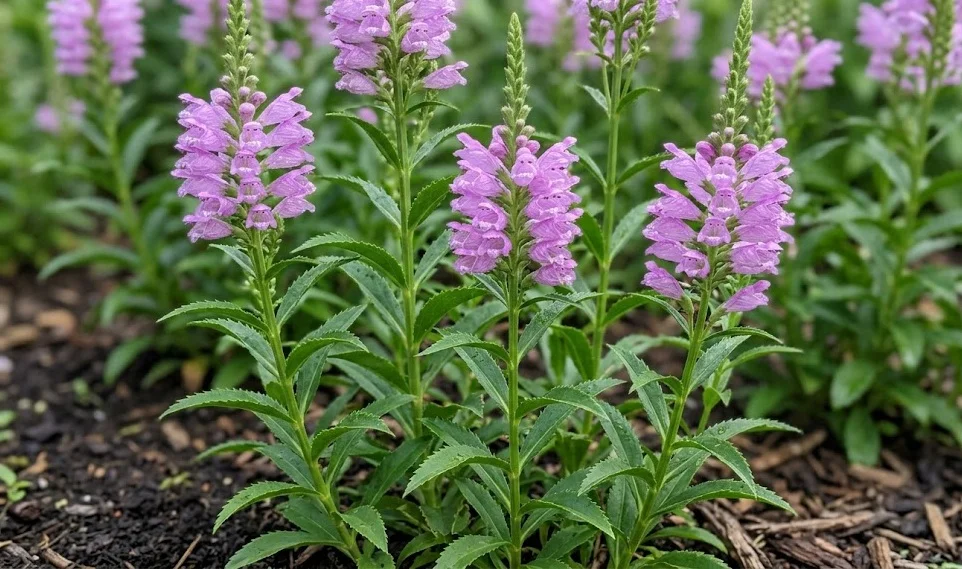

The obedient plant is a remarkably resilient perennial that brings a unique architectural structure and vibrant late-season color to any garden setting. You will find that this North American native is highly valued for its spikes of snapdragon-like flowers that bloom when many other summer plants begin to fade. Understanding the fundamental growth habits of this species is the first step toward creating a flourishing display in your landscape. Proper care ensures that the plant remains healthy, upright, and visually appealing throughout its entire growing cycle from spring until the first frost.
Understanding the growth habit and site requirements
The structural integrity of your garden depends heavily on selecting plants that can stand their ground without becoming overly aggressive. You should observe how the obedient plant spreads through underground rhizomes, which can be both a blessing and a challenge for gardeners. This plant thrives in a variety of conditions, but it truly reaches its potential in rich, organic soil that mimics its natural meadow habitat. When you provide the right foundation, you are setting the stage for a spectacular floral performance that lasts for weeks.
Providing enough space for your plants is essential to prevent overcrowding and the subsequent decline in air circulation. You need to consider the ultimate height and width of the plant, which can vary significantly depending on the specific cultivar you choose. While the plant is generally self-sufficient, a site that offers protection from heavy winds will prevent the tall flower spikes from flopping over. Planning your garden layout with these physical characteristics in mind will save you significant maintenance effort in the long run.
Soil quality plays a pivotal role in the overall vitality and immune response of your perennial collection. You should aim for a soil profile that is consistently moist but possesses enough drainage to prevent waterlogged roots during heavy rains. Adding compost or well-rotted manure before the growing season begins can provide the slow-release nutrients that the plant craves. Testing your soil pH is also a good practice, as this species prefers slightly acidic to neutral conditions for optimal mineral uptake.
Temperature and climate resilience are among the strongest attributes of this hardy perennial species. You will notice that it handles the heat of midsummer quite well, provided it has access to sufficient moisture levels in the ground. In colder regions, the plant enters a deep dormancy that protects its crown from the harsh elements of winter. By matching your care routine to the local climate, you ensure that the plant returns more vigorously each subsequent spring season.
More articles on this topic
Managing the spread and maintaining boundaries
Control is a major theme when you are dealing with plants that utilize rhizomatous root systems to expand their territory. You might find that in ideal conditions, the obedient plant can be quite assertive and may start to encroach on its neighbors. To prevent this, you can install physical root barriers or choose to grow the plant in large sunken containers. Regularly monitoring the perimeter of your planting area allows you to catch any stray shoots before they become firmly established.
Thinning out the colony every few years is a professional technique used to maintain the health of the individual stems. You should identify the most vigorous shoots and remove the weaker ones to allow for better light penetration and nutrient distribution. This practice not only keeps the plant within its designated bounds but also promotes the production of larger and more numerous flower spikes. A well-managed clump always looks more intentional and aesthetically pleasing than a neglected, overgrown mass of vegetation.
Strategic placement next to other competitive plants can also help keep the growth of the obedient plant in check naturally. You can pair it with sturdy grasses or large-leaved perennials that can hold their own against its spreading nature. This creates a balanced ecological community within your flower beds where no single species dominates the others. Observing these interactions over several seasons will give you a better understanding of how to curate your garden effectively.
If you notice the plant moving into areas where it is not wanted, manual removal of the runners is the most effective solution. You should use a sharp spade to cut through the rhizomes and pull them out of the ground entirely to prevent regrowth. It is best to perform this task in early spring when the new shoots are clearly visible but have not yet developed extensive root systems. Consistency is the key to managing any vigorous perennial without resorting to harsh chemical interventions.
More articles on this topic
Seasonal maintenance and aesthetic upkeep
As the growing season progresses, you will need to pay attention to the physical stature of the flower spikes. You might find that in very rich soil, the stems grow so tall and lush that they become top-heavy and require some form of support. Using discreet bamboo stakes or circular plant cages early in the season can provide the necessary framework for the plant to grow through. This prevents the messy look of fallen stems and keeps the flowers at eye level where they can be best enjoyed.
Deadheading is a vital task if you want to prolong the blooming period and maintain a tidy appearance in your borders. You should remove the spent flower spikes by cutting them back to the nearest set of healthy leaves or lateral buds. This prevents the plant from diverting its energy into seed production and instead encourages the development of secondary blooms. Furthermore, removing old flowers reduces the chances of self-seeding, which can lead to unwanted seedlings popping up elsewhere.
Mid-season grooming involves removing any yellowing or damaged foliage that may appear near the base of the plant. You can improve the overall look of the plant by simply snipping away these imperfections with a pair of clean garden shears. This not only makes the plant look better but also eliminates potential hiding spots for pests and disease spores. A clean plant is a healthy plant, and a few minutes of grooming each week can make a massive difference.
When the main flowering flush is over, you can decide whether to leave the remaining stems for winter interest or cut them back. You might enjoy the architectural silhouette of the dried seed heads against the winter snow, which also provides food for local birds. However, if you prefer a more manicured look, cutting the stems back to the ground in late autumn is perfectly acceptable. Your choice should reflect your personal gardening style and the specific needs of your local ecosystem.
Supporting structural integrity and stem strength
The strength of the stems is often a direct reflection of the light and nutrient balance the plant receives. You should avoid over-fertilizing with high-nitrogen products, as this often leads to rapid, weak growth that cannot support itself. Instead, focus on building a healthy soil structure that encourages the development of deep, resilient root systems. A plant that grows at a natural pace is much more likely to stand upright during a summer thunderstorm.
Air circulation is another factor that influences how well the stems can support their own weight. You should ensure that there is plenty of room between individual plants so that air can flow freely through the foliage. This reduces the humidity around the stems, which can sometimes lead to softening of the plant tissue and increased susceptibility to breaking. Proper spacing is a simple but effective way to bolster the physical health of your garden inhabitants.
In areas with high wind exposure, you might consider planting the obedient plant in a more sheltered location. You can use fences, hedges, or taller shrubs as natural windbreaks to protect the delicate flower spikes from being snapped. If moving the plant is not an option, temporary supports can be added just before the flowering season begins. Watching the weather forecast and being proactive with support can save your floral display from sudden destruction.
Pinching back the young shoots in late spring is a professional trick to create a bushier, shorter plant. You can remove the growing tips when the plant is about a foot tall to encourage branching and a more compact form. This might delay the onset of flowering by a week or two, but the result is a much sturdier plant that rarely needs staking. This technique is particularly useful if you are growing the obedient plant in a smaller garden or in a formal border.
Enhancing floral performance and color quality
The vibrant pink, purple, or white hues of the flowers are the main attraction of this species for most gardeners. You can enhance these colors by ensuring the plant has access to adequate potassium and phosphorus during the budding stage. Using a balanced, organic liquid feed once or twice during the early summer can provide the boost needed for a truly spectacular show. However, always remember that healthy soil is generally sufficient without the need for heavy chemical supplementation.
The timing of the blooms is quite consistent, but environmental factors can shift the window slightly each year. You will see the first flowers opening at the bottom of the spike and slowly progressing toward the top over several weeks. This vertical blooming habit provides a long-lasting source of nectar for bees, butterflies, and hummingbirds. By observing the bloom cycle, you can plan your garden so that other plants take over the spotlight once the obedient plant finishes.
Watering during the peak of the flowering season is crucial for maintaining the turgidity of the blossoms. You should avoid getting water directly on the flower spikes, as this can cause them to become heavy and bend, or even lead to fungal spotting. Instead, apply water directly to the soil at the base of the plant early in the morning. This ensures the plant is hydrated and ready to face the heat of the day without compromising the beauty of the flowers.
If you find that the flower spikes are becoming shorter or less vibrant over the years, it may be a sign that the clump is exhausted. You should consider rejuvenating the plant by dividing it and moving the healthiest sections to fresh soil. This process mimics the natural disturbance that would occur in a wild meadow and stimulates the plant to produce vigorous new growth. Regular rejuvenation ensures that you will enjoy high-quality flowers for many seasons to come.
Integrating the plant into the wider landscape
Choosing the right companions for the obedient plant can elevate your garden from a simple collection of flowers to a cohesive work of art. You should look for plants that bloom at the same time or offer contrasting foliage textures to create visual interest. Perennial sunflowers, asters, and late-season ornamental grasses make excellent partners for the spikes of the obedient plant. The combination of different shapes and colors creates a rich, layered effect that captures the essence of late summer.
The obedient plant is also an excellent choice for rain gardens or low-lying areas where the soil stays naturally damp. You can take advantage of its moisture-loving nature to solve drainage problems in your yard while adding beauty at the same time. In these settings, the plant often grows with even more vigor, so be sure to give it plenty of room to expand. Its ability to tolerate wet feet makes it a versatile tool for ecological landscaping projects.
For those who enjoy cutting flowers for indoor arrangements, the obedient plant is a fantastic resource. You can harvest the spikes when the bottom third of the flowers have opened for the longest vase life. The stems are remarkably sturdy and the flowers hold their color well even after being cut. Because the individual florets can be pushed into different positions and will stay there, it is a fun and interactive addition to any floral bouquet.
Creating a dedicated pollinator garden is another great way to utilize the strengths of this perennial. You will find that it is a magnet for various beneficial insects, providing a vital food source late in the season. By planting it in large drifts, you make it easier for pollinators to locate and utilize the nectar and pollen. Supporting local biodiversity is one of the most rewarding aspects of gardening, and this plant makes it incredibly easy.
Long-term care and garden sustainability
Sustainability in the garden means choosing plants that are well-adapted to your environment and require minimal external inputs. You should appreciate the obedient plant for its ability to thrive without constant pampering once it is established. By focusing on soil health and proper placement, you reduce the need for supplemental watering and chemical treatments. This approach creates a more resilient garden that can withstand the fluctuations of a changing climate.
Record-keeping can be a valuable tool for any serious gardener who wants to improve their skills over time. You should note when the plant emerges in the spring, when it starts blooming, and how it responds to different weather patterns. These observations will help you refine your care routine and make better decisions about future plant additions. Every garden is a living laboratory, and the obedient plant provides many opportunities for learning and growth.
Sharing your plants with friends and neighbors is a wonderful way to build a community and spread the joy of gardening. You will likely have plenty of extra divisions to give away every few years when you perform your regular maintenance. This not only keeps your own garden in check but also helps others discover the beauty of this easy-to-grow perennial. A plant that is shared is a plant that truly lives on in many different landscapes.
Finally, take the time to step back and simply enjoy the fruits of your labor during the peak of the season. You have put in the work to understand and care for your obedient plant, and the reward is a stunning display of nature’s beauty. Gardening is as much about the process as it is about the result, and finding peace in your outdoor space is the ultimate goal. The obedient plant, with its steady presence and reliable blooms, is a perfect companion for that journey.