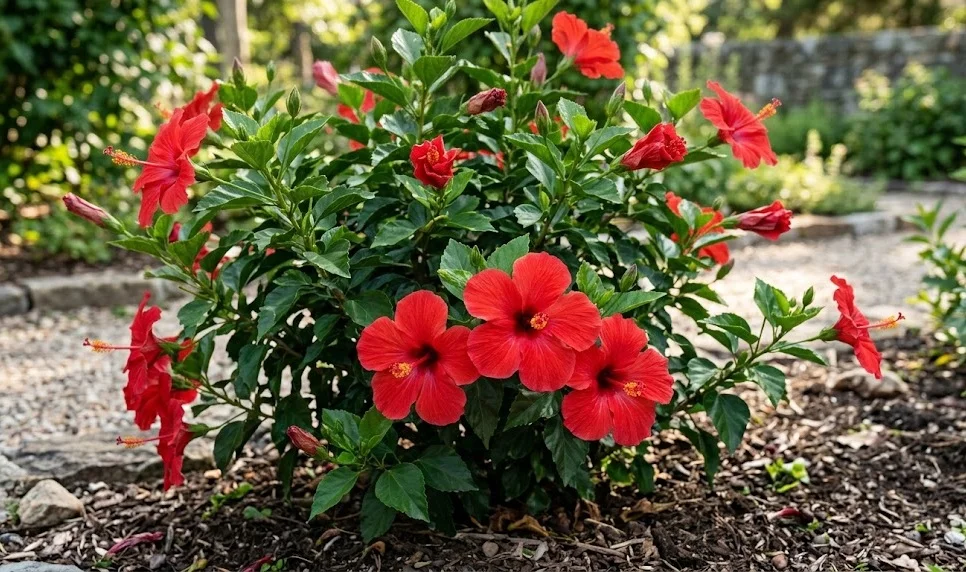

As a tropical species that is highly sensitive to cold, the Chinese hibiscus requires a specialized overwintering strategy in any climate where temperatures drop below freezing. Success during the winter months is not just about keeping the plant alive, but about ensuring it remains healthy enough to bounce back quickly in the spring. This transition involves significant changes in light, temperature, and moisture management that must be carefully orchestrated by the gardener. This article outlines the professional techniques for protecting your hibiscus during its most vulnerable season.
Timing the move and preparation
The decision of when to bring your Chinese hibiscus indoors for the winter should be based on the local weather forecast rather than a specific date on the calendar. You should plan to move the plant inside once the nighttime temperatures consistently fall below ten degrees Celsius. While the hibiscus can survive slightly cooler air for a short period, prolonged exposure to chilly nights will signal the plant to enter a state of stress. It is always better to act early and move the plant before the first true frost arrives, as even a light frost can cause significant tissue damage.
Before the plant enters your home or greenhouse, it is essential to perform a thorough cleaning and inspection to avoid bringing pests indoors. You should give the entire plant a gentle wash with a hose to remove dust, spider webs, and any hitchhiking insects that might be hiding on the leaves. Inspecting the soil surface for slugs or other crawling pests is also a wise precaution that can save you a lot of trouble later in the season. If you find any evidence of an infestation, treat the plant with an appropriate organic pesticide before it joins the rest of your indoor collection.
A light pruning is often beneficial during the transition to make the plant more manageable and to reduce the amount of foliage it has to support in lower light. You can trim back the longest branches by about a third, which helps the hibiscus fit more easily into its indoor space and encourages a bushier shape. Removing any yellowing or damaged leaves at this stage will also help improve air circulation and reduce the risk of fungal issues during the winter. This “pre-winter haircut” should be conservative, as the goal is maintenance rather than heavy rejuvenation.
Acclimatization is the final step in the preparation process, as a sudden change from bright outdoor sun to a dimmer indoor room can shock the plant. If possible, move the hibiscus to a shaded spot on a porch or under a tree for a week or two before bringing it inside. This gradual reduction in light intensity allows the plant to adjust its internal chemistry and reduces the amount of leaf drop that often occurs after the move. Taking the time for this transition will result in a much more stable and attractive plant throughout the winter months.
More articles on this topic
Managing the indoor environment
Once the hibiscus is inside, its primary need is for as much light as possible to compensate for the shorter winter days. A south-facing window is usually the best location, as it provides the most consistent and intense light available in a typical home. If you do not have a sufficiently bright window, you should consider using a full-spectrum LED grow light to supplement the natural light. Providing twelve to fourteen hours of supplemental light can help the plant keep more of its leaves and may even allow it to produce an occasional winter bloom.
Temperature control is a balancing act, as the hibiscus needs to stay warm but should not be kept in a space that is excessively hot and dry. Ideally, the room should be kept between fifteen and twenty-one degrees Celsius during the day, with a slight drop at night. You must be very careful to keep the plant away from heat vents, radiators, or wood-burning stoves, as these will rapidly dehydrate the foliage. A cool but bright sunroom or a well-insulated enclosed porch is often the most successful environment for overwintering these tropical shrubs.
Maintaining adequate humidity is one of the greatest challenges of indoor hibiscus care during the winter heating season. The air inside a heated home can often be as dry as a desert, which is the complete opposite of what a tropical plant needs. You can increase the local humidity by placing the pot on a tray of wet pebbles or by using a room humidifier near your plant collection. Grouping several plants together can also create a small microclimate where the moisture released by transpiration helps keep the humidity levels higher for everyone.
Air circulation remains important even in the winter, but you must distinguish between fresh air and a freezing draft. You should never place a hibiscus near a frequently used exterior door where it will be blasted by icy air every time someone enters or leaves. However, a small fan kept on a low setting in the room can prevent the air from becoming stagnant, which reduces the risk of mold and pests. Finding the “sweet spot” between warmth, light, and airflow is the hallmark of a successful overwintering strategy for this species.
More articles on this topic
Adjusting water and nutrition
The metabolism of the Chinese hibiscus slows down significantly during the winter, and your watering routine must reflect this biological change. Because the plant is not actively growing or flowering at its usual pace, it requires much less water than it did during the height of summer. You should allow the top several centimeters of soil to dry out completely before you even consider adding more moisture. Over-watering during the winter is the most common cause of hibiscus death, as the cold, wet soil quickly leads to catastrophic root rot.
When you do water, use room-temperature water and apply it sparingly until it just begins to emerge from the drainage holes. You should never allow the plant to sit in a saucer of water, as this will keep the lower roots saturated and lead to their eventual decay. It is helpful to lift the pot occasionally to gauge its weight; a light pot indicates it is time to water, while a heavy one means the soil is still holding plenty of moisture. This tactile approach is often more reliable than a simple visual inspection of the soil surface.
Fertilization should be stopped entirely during the winter months for any hibiscus that is being kept in a semi-dormant state. Since the plant is not producing new tissue, it cannot use the added nutrients, and the resulting salt buildup in the soil can burn the sensitive roots. Feeding a plant during its rest period can also force weak, spindly growth that is highly attractive to pests like aphids and whiteflies. You should wait until you see the first signs of robust new growth in the spring before reintroducing any kind of nutritional supplement.
If your hibiscus does produce a few winter flowers, resist the urge to increase its care in an attempt to get more. These “bonus” blooms are a nice surprise, but they should be viewed as a sign that the plant is happy with its current environment, not a signal to start heavy watering or feeding. The goal of the winter is conservation of energy, not production, so let the plant dictate its own pace. By respecting this natural period of dormancy, you ensure that the plant has the reserves it needs for a spectacular display in the coming year.
Transitioning back to the outdoors
As the winter draws to a close and the days begin to lengthen, you will notice the hibiscus starting to wake up and produce new green shoots. This is the ideal time to perform a more significant pruning to shape the plant and remove any branches that may have died back during the winter. You can cut the plant back by as much as half its size if it has become leggy or outgrown its space, as this will stimulate vigorous new growth. This pruning should be done just as the new buds are starting to swell but before the leaves have fully unfurled.
The process of moving the plant back outside in the spring must be done with just as much care as the initial move indoors. You must wait until all danger of frost has passed and the nighttime temperatures are reliably staying above ten degrees Celsius. Just as before, a period of hardening-off is essential to prevent the intense outdoor sun from scorching the tender indoor leaves. Start by placing the plant in a fully shaded spot for a few hours a day, gradually increasing the time and the intensity of the light over two weeks.
During this transition period, you can begin to slowly increase the frequency of watering and reintroduce a balanced fertilizer at a very low concentration. The combination of fresh air, increasing sunlight, and gentle nutrition will act as a signal to the hibiscus that the growing season has officially begun. You may notice some of the old “indoor” leaves turning yellow and falling off as the plant replaces them with tougher “outdoor” foliage. This is a perfectly normal part of the adaptation process and should not be a cause for concern as long as new growth is visible.
Finally, once the plant is fully acclimated and settled back into its summer home, you can resume your full professional care routine. Check the root system to see if the plant needs to be moved into a larger container after its winter rest. A fresh layer of mulch and a thorough cleaning of the pot will make your hibiscus look its best as it prepares for its first flush of flowers. By following these careful overwintering steps, you turn what could be a stressful season into a period of healthy rest for your tropical collection.