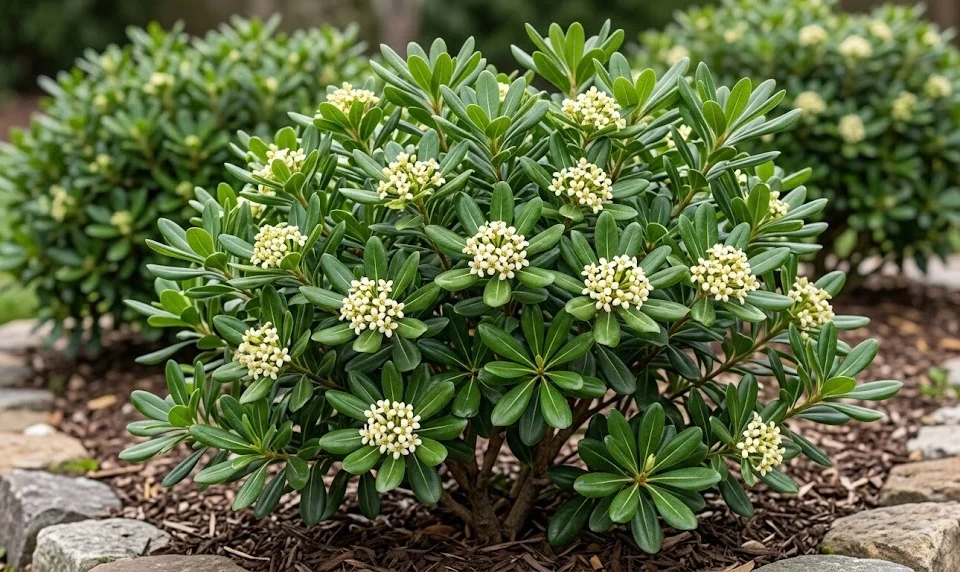

Japanese cheesewood is an exceptionally versatile evergreen shrub that has gained immense popularity in temperate and Mediterranean gardens due to its aesthetic appeal and resilience. This plant is characterized by its glossy, leathery leaves that form dense, rounded mounds, making it an ideal choice for both hedging and specimen planting. Many gardeners appreciate its ability to adapt to various environmental conditions while maintaining its lush appearance throughout the changing seasons. Understanding the basic biological needs of this shrub is the first step toward achieving a thriving garden feature that provides year-round interest.
In its natural habitat, this shrub can grow quite large, but in cultivation, it is often kept as a manageable bush or even a small tree. The fragrant flowers, which appear in late spring, emit a scent reminiscent of orange blossoms, adding a sensory dimension to its horticultural value. These creamy white blooms eventually turn a pale yellow, creating a beautiful contrast against the deep green foliage that remains vibrant even in winter. Providing a stable environment where the plant can establish its root system is crucial for long-term health and vigor in any landscape design.
The plant’s overall health depends heavily on the quality of care it receives during its early years of growth. While it is known for being relatively low-maintenance once established, regular monitoring helps prevent common issues before they become problematic. Gardeners should pay close attention to the texture of the leaves and the rate of new growth to gauge the plant’s satisfaction with its current location. A proactive approach to care ensures that the shrub remains a structural backbone of the garden for decades to come.
Aesthetic maintenance involves more than just keeping the plant alive; it requires a keen eye for its natural form and growth patterns. By observing how the shrub reacts to local weather patterns, you can adjust your care routine to better suit its specific needs. This species is particularly valued for its ability to tolerate urban pollution and coastal air, making it a rugged survivor in diverse settings. Developing a deep understanding of its lifecycle will allow you to maximize its ornamental potential and ecological benefits.
Soil quality and preparation
The foundation of a healthy shrub always begins with the soil in which it is planted, as this provides both stability and nutrients. Japanese cheesewood thrives best in well-draining soil that is rich in organic matter, though it is surprisingly tolerant of different soil textures. It is essential to avoid heavy clay that retains too much water, as this can lead to oxygen deprivation for the root system. Before planting, it is highly recommended to test the drainage capacity of your chosen site to ensure the best possible start for the specimen.
More articles on this topic
Soil pH plays a significant role in nutrient availability, and this species generally prefers slightly acidic to neutral conditions. If your soil is excessively alkaline, you may notice yellowing of the leaves, a condition known as chlorosis, which indicates a lack of iron uptake. You can amend the soil with composted bark or peat moss to lower the pH and improve the overall structure for better aeration. Consistency in soil quality across the planting area will encourage the roots to spread evenly and support a larger canopy.
The inclusion of organic amendments not only provides immediate nutrients but also improves the long-term microbial health of the soil. Integrating well-rotted manure or garden compost into the planting hole creates a reservoir of slow-release energy for the developing plant. This organic matter also helps with moisture retention during dry spells while preventing the soil from becoming compacted over time. A healthy soil biome acts as a natural defense system, protecting the shrub from various soil-borne pathogens and stress factors.
Surface mulching is another critical aspect of soil management that should not be overlooked by serious gardeners. Applying a layer of organic mulch around the base of the shrub helps regulate soil temperature throughout the year. This layer suppresses weed growth, which would otherwise compete with the cheesewood for water and essential minerals. Over time, the mulch decomposes, further enriching the topsoil and maintaining the friable texture that the roots find so conducive to growth.
Environmental adaptation and placement
Choosing the right location for your shrub involves balancing its need for sunlight with protection from harsh environmental elements. Japanese cheesewood is remarkably adaptable, but it performs most reliably in spots that offer shelter from strong, drying winds. In coastal regions, it can handle salt spray better than many other evergreens, making it a staple for seaside gardening projects. However, in colder inland areas, a more protected south-facing wall might be necessary to provide a microclimate that prevents frost damage.
More articles on this topic
The spatial arrangement of the garden should take into account the eventual size of the mature shrub to avoid overcrowding. Giving the plant enough room for air circulation is vital for preventing fungal infections that thrive in stagnant, humid environments. When used as a hedge, spacing should be calculated carefully to allow individual plants to merge without competing too aggressively for resources. Observing the sun’s path across your yard will help you identify the “sweet spots” where the plant will receive the ideal balance of light.
Urban environments present unique challenges, such as heat islands and poor air quality, yet this species often excels in such conditions. It is frequently seen in public parks and commercial landscapes because it can withstand the reflective heat from pavements and buildings. Despite this toughness, providing a bit of greenery or ground cover around its base can help cool the root zone in concrete-heavy areas. Its ability to remain green and lush in the face of urban stress makes it a top choice for modern city gardens.
The topography of your planting site also influences how the shrub interacts with its surroundings. Planting on a slight slope can aid in natural drainage, which is beneficial in areas with high annual rainfall. Conversely, if your garden is very flat and prone to standing water, creating a raised bed or mound for the plant is a wise precaution. By aligning the plant’s needs with the natural features of your land, you create a sustainable environment that requires less intervention over time.
Growth patterns and structural development
Understanding how the Japanese cheesewood grows is essential for anyone looking to incorporate it into a long-term landscape plan. This shrub typically exhibits a moderate growth rate, which allows gardeners to maintain its shape without constant intervention. In its youth, the growth can be somewhat leggy, but it naturally fills out into a dense, rounded form as it matures. Regular observation of the terminal buds will give you an idea of when the plant is entering its most active growth phases.
The branching structure of the shrub is naturally sturdy, providing excellent nesting sites for small garden birds. Its dense foliage acts as a natural screen, offering privacy and wind protection for more delicate plants nearby. You will notice that the interior branches may shed some leaves as the outer canopy becomes thicker and shades the center. This is a natural process of self-pruning that the plant undergoes to focus its energy on the most productive leaves.
As the plant ages, the bark on the main stems becomes increasingly attractive, developing a slightly rough texture and a grayish-brown hue. This structural beauty is especially apparent in specimens that have been trained into small, multi-stemmed trees. The wood is relatively flexible, which helps the shrub withstand the weight of occasional snow or high winds without snapping. Maintaining a balanced canopy through light pruning ensures that the weight is distributed evenly across the primary stems.
The root system of an established cheesewood is extensive and efficient, allowing it to tap into deep water reserves. This deep rooting habit is what makes the plant so drought-tolerant once it has spent a few years in the ground. It is important to avoid deep cultivation or heavy digging near the base of an older shrub to prevent damaging these vital structural roots. A healthy root-to-canopy ratio is the secret to the plant’s legendary resilience and longevity in various garden settings.
Seasonal changes and aesthetic appeal
Throughout the year, the Japanese cheesewood undergoes subtle but beautiful changes that keep the garden looking dynamic. In early spring, the emergence of light green new growth provides a fresh contrast to the darker, older foliage. This flush of growth is followed by the arrival of flower buds, which promise the intoxicating fragrance the species is famous for. Even without flowers, the glossy texture of the leaves reflects light, making the garden appear brighter even on overcast days.
The blooming period is undoubtedly the highlight of the plant’s annual cycle, usually occurring between late April and early June. The clusters of small, bell-shaped flowers are relatively inconspicuous from a distance but are a delight up close. Their scent is most potent in the late afternoon and evening, making the shrub a perfect addition to “moonlight gardens” or seating areas. Pollinators, particularly bees and butterflies, are drawn to the nectar, increasing the ecological value of your outdoor space.
As summer progresses into autumn, the flowers give way to small, woody capsules that eventually split open to reveal bright red seeds. These seeds are quite decorative and can persist on the plant for several weeks, providing a bit of visual interest in the late season. While the shrub does not change color like deciduous plants, its evergreen nature provides a much-needed structural anchor when other plants fade. The consistency of its color is a valuable asset for creating a professional-looking garden backdrop.
Winter brings out the true character of the cheesewood as it stands firm against the cold and grey. Its dark green leaves provide a perfect canvas for frost, which highlights the elegant margins and leaf shapes. In regions with mild winters, the plant may even continue to look quite active, while in colder zones, it enters a deep dormancy. This year-round presence ensures that your garden never feels empty or lifeless, regardless of the temperature outside.
Managing container-grown specimens
Growing Japanese cheesewood in containers is a fantastic option for those with limited space or for decorating patios and balconies. When selecting a pot, ensure it has ample drainage holes to prevent the potting mix from becoming waterlogged. A high-quality, loam-based compost mixed with some grit or perlite will provide the necessary structure and drainage. Because container plants have limited access to soil, they require more frequent monitoring of their moisture and nutrient levels.
Repotting is a task that should be performed every two to three years as the plant outgrows its current home. You can tell a shrub needs a larger pot when roots start appearing through the drainage holes or when the soil dries out too quickly. When moving the plant, choose a container that is only one or two sizes larger to avoid the “lost in a pot” syndrome. Using a fresh potting medium during this process revitalizes the plant and provides a boost of essential minerals for the coming season.
Nutrient management is particularly important for container-grown cheesewoods since they cannot seek out minerals in the surrounding earth. A balanced liquid fertilizer applied during the growing season will keep the foliage looking lush and healthy. It is better to use a diluted solution more frequently than a strong dose all at once, which could burn the sensitive roots. In winter, fertilization should be halted completely to allow the plant to rest and avoid stimulating soft growth that could be damaged by frost.
Placement of containers requires careful consideration of both aesthetics and the plant’s physiological needs. Pots can be moved to follow the sun or to protect the plant from harsh winter winds, which is a significant advantage over garden planting. However, remember that roots in containers are more vulnerable to temperature extremes than those in the ground. Wrapping the pot in burlap or bubble wrap during a severe cold snap can provide the necessary insulation to keep the root ball safe.
Longevity and long-term garden value
When you plant a Japanese cheesewood, you are making a long-term investment in the beauty and structure of your landscape. With proper care, these shrubs can live for many decades, becoming more impressive and characterful with each passing year. They require very little specialized equipment or expensive treatments, making them an economical choice for sustainable gardening. Their ability to serve as a hedge, a screen, or a standalone specimen gives you great flexibility in garden design.
The low-maintenance nature of the plant means that it doesn’t demand hours of your time every weekend. Once it reaches maturity, its primary needs are simple: occasional watering during extreme droughts and a light pruning to maintain its shape. This makes it an ideal choice for busy homeowners or for those who want a beautiful garden without the heavy labor. Its reliability is one of the reasons it remains a favorite among professional landscapers and hobbyists alike.
Environmentally, the cheesewood contributes to the local ecosystem by providing shelter for beneficial insects and birds. Its dense canopy offers a safe haven from predators and a place for birds to build their nests in the spring. By choosing such a hardy and non-invasive species, you are promoting a healthy garden environment that works with nature. The plant’s ability to trap dust and muffle noise also adds to the overall tranquility of your outdoor living area.
In conclusion, the Japanese cheesewood is a remarkable plant that rewards even the most basic care with stunning results. Its combination of fragrant flowers, glossy evergreen leaves, and rugged constitution makes it a standout in any garden. Whether you are a beginner or an expert, you will find that this shrub is a joy to grow and observe. By following these guidelines, you ensure that your cheesewood remains a healthy and vibrant part of your home for many years to come.