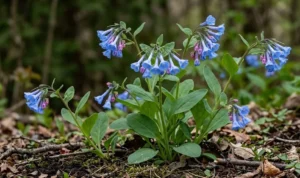
Snowdrops are the quintessential winter survivors, having evolved to thrive in temperatures that would kill most other garden plants. Their ability to push through frozen soil and even bloom amidst a layer of snow is a testament to their incredible biological resilience. However, even the hardiest bulbs can benefit from professional overwintering strategies that ensure they emerge with maximum vigor. Understanding how these plants interact with the cold is the key to maintaining a healthy and expanding population in your garden year after year.
The overwintering process for a snowdrop actually begins long before the first frost arrives in the autumn. As the soil temperatures begin to drop, the bulbs underground undergo a series of chemical changes that prepare them for the coming freeze. They start to develop their root systems and begin the internal process of mobilizing energy for the spring growth spurt. A professional gardener knows that the care provided during the late autumn sets the stage for the success of the following February.
One of the most important aspects of overwintering is protecting the bulbs from the physical stresses of the winter environment. While they are cold-hardy, they can still be damaged by issues like soil heaving, which occurs when the ground repeatedly freezes and thaws. This process can push the bulbs toward the surface, exposing them to sub-zero air temperatures and potential desiccation. Implementing simple but effective protective measures can prevent these physical disturbances and ensure the bulbs remain safely tucked underground.
Finally, the winter season is a time of observation for the dedicated gardener, even when there is little visible growth above ground. Monitoring the drainage of the site during heavy winter rains and ensuring that the area remains undisturbed by winter foot traffic are essential tasks. By respecting the quiet work that is happening beneath the surface, you are supporting the natural cycle of the snowdrop. This chapter will explore the best professional practices for ensuring your snowdrops survive the winter in peak condition.
The biology of cold resistance in snowdrops
Snowdrops possess a remarkable internal chemistry that acts like a natural antifreeze, preventing their cells from rupturing when temperatures drop well below freezing. This is achieved through the accumulation of sugars and specialized proteins within the plant tissue, which lowers the freezing point of the water inside the cells. This biological adaptation allows the delicate-looking stems and flowers to remain flexible and alive even when encased in ice. It is a stunning example of evolutionary engineering that allows the species to occupy a niche that few others can handle.
More articles on this topic
The timing of this cold hardening is triggered by the shortening days and cooling soil of late autumn and early winter. If the weather remains unusually warm for too long, the bulbs may not fully develop this resistance, leaving them more vulnerable to a sudden, extreme cold snap. Conversely, a very early freeze can catch the plants before they have finished their preparations. A professional gardener monitors these seasonal transitions and may provide extra insulation if the weather is behaving unpredictably.
Another key part of their winter biology is the development of a sturdy root system that anchors the bulb and begins absorbing moisture as soon as it is available. Even in the dead of winter, the roots are active deep within the soil where the temperature is more stable than at the surface. This root activity is what provides the pressure needed to push the emerging shoots through the crust of the earth in late winter. Without a healthy period of winter root growth, the spring display will be noticeably weaker and less consistent.
Understanding this biological rhythm helps a gardener appreciate why certain winter conditions are more favorable than others. A consistent, deep cold with a protective blanket of snow is actually much better for snowdrops than a winter with frequent freeze-thaw cycles. The snow acts as a perfect natural insulator, keeping the soil temperature steady and protecting the emerging tips from biting winds. By aligning your garden maintenance with these natural preferences, you can ensure your snowdrops have the best possible start to the year.
Protective mulching for winter stability
Mulching is the primary tool for a professional gardener looking to provide an extra layer of security for overwintering snowdrops. A well-applied mulch acts as a thermal buffer, slowing down the rate at which the soil freezes and thaws throughout the winter. This stability is crucial for preventing the “heaving” effect that can damage delicate roots and leave bulbs exposed to the elements. For snowdrops, the best mulches are those that mimic the natural leaf litter found on a woodland floor.
More articles on this topic
A thin layer of well-rotted leaf mold or finely shredded bark is ideal for this purpose, providing protection without being too heavy. You should aim for a depth of about one to two inches, applied in the late autumn after the ground has cooled but before the first deep freeze. This layer also helps to suppress any winter weeds that might emerge and compete with the snowdrops for nutrients in the early spring. As the mulch breaks down, it continues to feed the soil biology, creating a healthier environment for the bulbs.
It is important to ensure that the mulch is not so thick or matted that it prevents oxygen from reaching the soil or traps too much moisture. Snowdrops need to breathe, and overly compacted mulch can lead to anaerobic conditions that encourage fungal rot. If you live in an area with very high winter rainfall, you might choose a grittier mulch or a lighter material like pine needles to ensure good drainage. The goal is to provide a protective “duvet” for the bulbs rather than a heavy, waterproof seal.
In the late winter, as the first tips of the snowdrops begin to appear, you should check the mulch to ensure it isn’t hindering their progress. If the layer has become compacted by snow or rain, gently loosening it with a hand fork can help the delicate shoots break through. This small act of maintenance ensures that the flowers emerge straight and true, ready to put on their annual show. Proper mulching is a low-effort, high-reward technique that is a staple of professional bulb care.
Managing drainage and winter wetness
Excessive winter wetness is often a bigger threat to snowdrops than the cold itself, especially in gardens with heavy clay soil. While the bulbs are dormant and during their initial growth phase, they are highly susceptible to rotting if they sit in stagnant water for too long. Poor drainage can drown the emerging roots and provide a breeding ground for various fungal pathogens that can destroy entire colonies. A professional approach to overwintering always involves a keen eye on how water moves through the planting site.
If you notice that water is pooling on the surface of your snowdrop beds during winter rains, you may need to take corrective action. Adding a small amount of horticultural grit to the surrounding area can help improve the surface drainage and prevent the soil from becoming too compacted. In extreme cases, you might consider creating a small “French drain” or slightly mounding the soil to ensure that excess water sheds away from the bulb zone. These structural improvements are best done in the late summer but can be refined during the winter if problems are identified.
Selecting a planting site with a natural slope or proximity to deep-rooting trees can also help manage winter moisture levels. Trees act as natural pumps, drawing moisture out of the soil even during their own dormant phase and preventing the ground from becoming waterlogged. The network of tree roots also creates channels in the soil that allow air and water to move more freely, benefiting the smaller bulbs nestled among them. This symbiotic relationship is why snowdrops are so naturally at home in woodland environments.
For snowdrops grown in containers, winter drainage is even more critical because the pots can easily become frozen blocks of ice or waterlogged sinks. Ensure that all pots have large drainage holes and are elevated on “pot feet” to allow water to escape freely from the bottom. If a particularly heavy rain or snow event is forecasted, moving the containers to a more sheltered spot can provide an extra layer of protection. Managing winter moisture is a subtle but essential part of the professional gardener’s toolkit.
Spring emergence and post-winter transition
The transition from the depths of winter to the first signs of spring is the most exciting time for any snowdrop enthusiast. As the soil begins to warm slightly, the bulbs send up their first green shoots, which are tipped with a hard, protective sheath to help them pierce the frozen earth. This emergence is a signal that the overwintering phase is successfully coming to a close and the active growing season is about to begin. At this stage, your primary job is to ensure the plants have a clear path to the light and are protected from accidental damage.
If you have used a heavy layer of leaves or protective covers for the winter, these should be carefully thinned or removed as the shoots appear. You want to give the plants as much sunlight as possible while the days are still short and the sun is low in the sky. However, you should still be prepared for late-season frosts or snow, which can occasionally flatten the emerging flowers. Don’t panic if this happens; snowdrops are designed to recover quickly once the temperature rises again.
This is also the time to monitor for any signs of winter damage, such as bulbs that have been dug up by animals or shoots that look distorted. If a bulb has been exposed by soil heaving, simply push it back into the ground and firm the soil around it to protect the roots. Birds, particularly pigeons, can sometimes be curious about the emerging green tips and may occasionally peck at them. Providing a bit of light brushwood over the site can deter them without blocking the light or the view of the flowers.
Finally, the success of your overwintering strategy will be evident in the density and health of the flowers that follow. A well-rested and well-protected bulb will produce a strong, upright stem and a large, vibrant blossom. Taking note of which areas of the garden performed best will help you refine your care for the following year. Overwintering is not just about survival; it’s about providing the perfect conditions for the snowdrop to perform its legendary winter miracle.