
Pruning and cutting back are essential maintenance tasks that help keep your common bistort looking its absolute best throughout the year. You will find that this plant responds very well to regular grooming, which encourages new growth and can even extend the flowering season. While it is not a complicated process, knowing when and how to cut will make a significant difference in the overall appearance of your garden. A tidy plant is not only more attractive but also generally healthier and more resistant to various pests.
The most common reason for pruning during the growing season is to remove spent flowers and damaged foliage from the clumps. This process, often called deadheading, prevents the plant from putting all its energy into seed production and keeps the focus on the leaves. You will notice that once the old flower spikes are gone, the plant looks much fresher and more vibrant in the border. It also prevents the plant from self-sowing too aggressively if that is something you want to avoid in your space.
Cutting back at the end of the season is more about preparing the plant for its winter rest and tidying up the garden bed. You should wait until the foliage has completely died back and turned brown before you reach for your garden shears or scissors. This allows the plant to pull all the remaining nutrients back into the rhizomes for storage over the winter months. A clean cut near the base of the plant ensures that there are no unsightly stems left to rot or catch debris during the winter.
Using the right tools is just as important as the timing when it comes to successful pruning of any perennial species. You should always use sharp, clean shears to ensure that you are making clean cuts that heal quickly without tearing the plant tissue. Dull blades can crush the stems, which creates an entry point for diseases and can lead to a messy, unprofessional finish. Keeping your tools well-maintained is a hallmark of a serious gardener who cares about the long-term health of their collection.
Deadheading for an extended and cleaner bloom
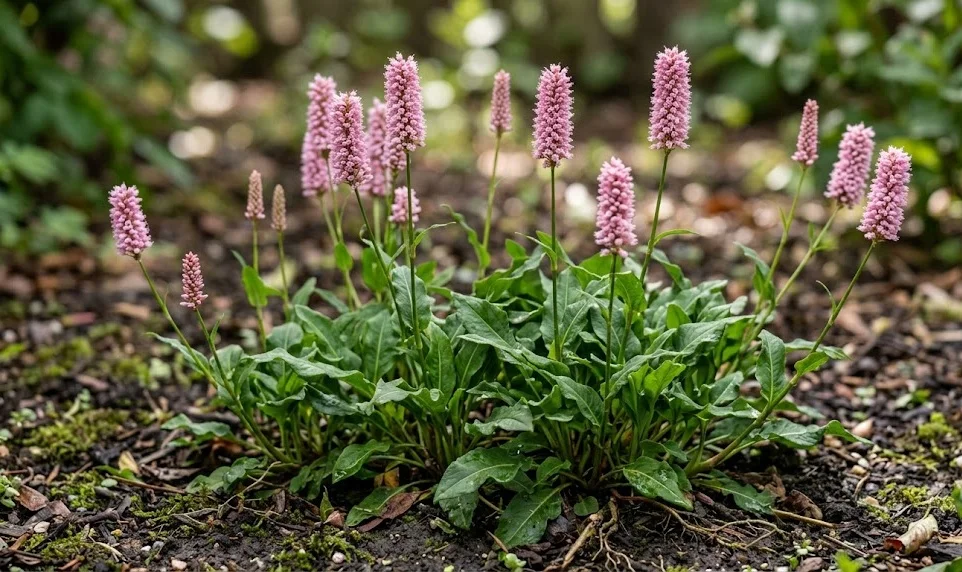
Deadheading is a simple task that you can perform throughout the early and mid-summer as the flower spikes begin to fade. You should cut the flower stem back to the point where it emerges from the main foliage or just above a healthy leaf node. This removes the drying brown spikes and leaves the lush green canopy of the plant intact and looking beautiful. It only takes a few minutes every week to keep a large colony of bistort looking professional and well-cared for.
More articles on this topic
One of the benefits of regular deadheading is that it can sometimes stimulate a smaller, second flush of flowers later in the season. While the second show is rarely as impressive as the first, it still provides a welcome splash of color in the late summer garden. The plant is essentially “fooled” into thinking it hasn’t produced enough seeds yet and tries again to complete its reproductive cycle. This is a great way to get more value out of your perennials with very little extra effort on your part.
You should also take this opportunity to remove any leaves that look yellow, diseased, or damaged by insects during the season. Removing these “unhappy” leaves improves the air circulation within the clump and makes it harder for pests to hide and multiply. It also ensures that the plant is not wasting any energy on parts that are no longer contributing to its overall health. A quick “cleanup” every time you go out to deadhead will keep the entire garden looking much more polished.
If you are interested in collecting seeds, you should leave a few of the best-looking flower spikes to mature fully on the plant. You will see them turn from pink to a dark brown color as the seeds inside begin to ripen and dry out. Once they are completely dry, you can cut them off and shake the seeds into a paper bag for storage until you are ready to sow. Just remember that leaving too many seeds can sometimes lead to a bit of a “weedy” look if they all fall and sprout next year.
Structural pruning and height management techniques
Sometimes, the common bistort can become a bit too tall or sprawling for its intended spot, especially if it is growing in a lot of shade. You can use structural pruning to help manage the overall size and shape of the plant to fit your specific garden design. By cutting back some of the outer stems, you can encourage a more compact and bushy growth habit that stays within its boundaries. This is particularly useful in smaller gardens where every centimeter of space is valuable and needs to be managed carefully.
More articles on this topic
If your plants have become “floppy” due to high winds or heavy rain, you can prune them back to restore their upright appearance. You should cut the affected stems back by about a third to take some of the weight off the base and encourage new, stronger growth. This might mean losing a few flowers in the short term, but the long-term health and stability of the plant are much more important. Providing some discreet staking after pruning can also help the plant regain its footing and grow more securely.
Thinning out the center of a very dense clump is another type of structural pruning that can be very beneficial for the plant’s health. You should remove some of the older, more crowded stems from the middle of the plant to allow more light and air to reach the interior. This reduces the risk of fungal diseases and ensures that all parts of the plant are growing vigorously and healthily. It also makes it easier to see if any pests are starting to take up residence in the heart of the colony.
Pruning can also be used to create a more interesting “layered” effect in a mixed perennial border by varying the heights of different plants. You can experiment with cutting back some sections of a large bistort colony earlier in the season to delay their flowering and keep them shorter. This creates a staggered display of color and texture that adds depth and professional interest to your garden landscape. It is a more advanced technique that allows you to truly master the visual impact of your favorite plant species.
Post flowering cleanup and seasonal transition
Once the main flowering season is completely over in late summer or early autumn, the plant often starts to look a bit tired and worn out. You can perform a more significant “refresh” by cutting back the majority of the foliage by about half its original height. This removes the old, weathered leaves and encourages a fresh flush of new, green growth that will look great for the rest of the season. It is a great way to bridge the gap between the summer peak and the eventual winter dormancy period.
As the weather turns colder in late autumn, you will see the leaves starting to change color and eventually die back as the plant prepares for winter. You should wait until the first hard frost has turned the foliage brown before you do your final cutting back for the year. At this point, you can cut the entire plant down to within five or ten centimeters of the ground level using your sharpest shears. This removes the old biomass and leaves a clean space for the new shoots to emerge in the following spring.
Disposing of the pruned material properly is the final step in your seasonal maintenance routine for any healthy garden bed. If the foliage was healthy and free of pests, it makes an excellent addition to your compost pile where it will break down into rich organic matter. However, if you noticed any signs of disease, such as leaf spot or powdery mildew, you should dispose of the waste in your regular trash. Never compost diseased plant material, as the spores can survive the process and reinfect your garden next year.
Finally, take a moment to admire the clean, organized look of your garden after the final cutting back is complete for the season. It is a very satisfying feeling to know that your plants are well-prepared for the winter and will be ready to thrive again in the spring. This regular cycle of growth, flowering, and pruning is what makes gardening such a rewarding and engaging hobby for so many people. Your common bistort will thank you for the extra attention with a spectacular display of pink spikes and lush green leaves next year.