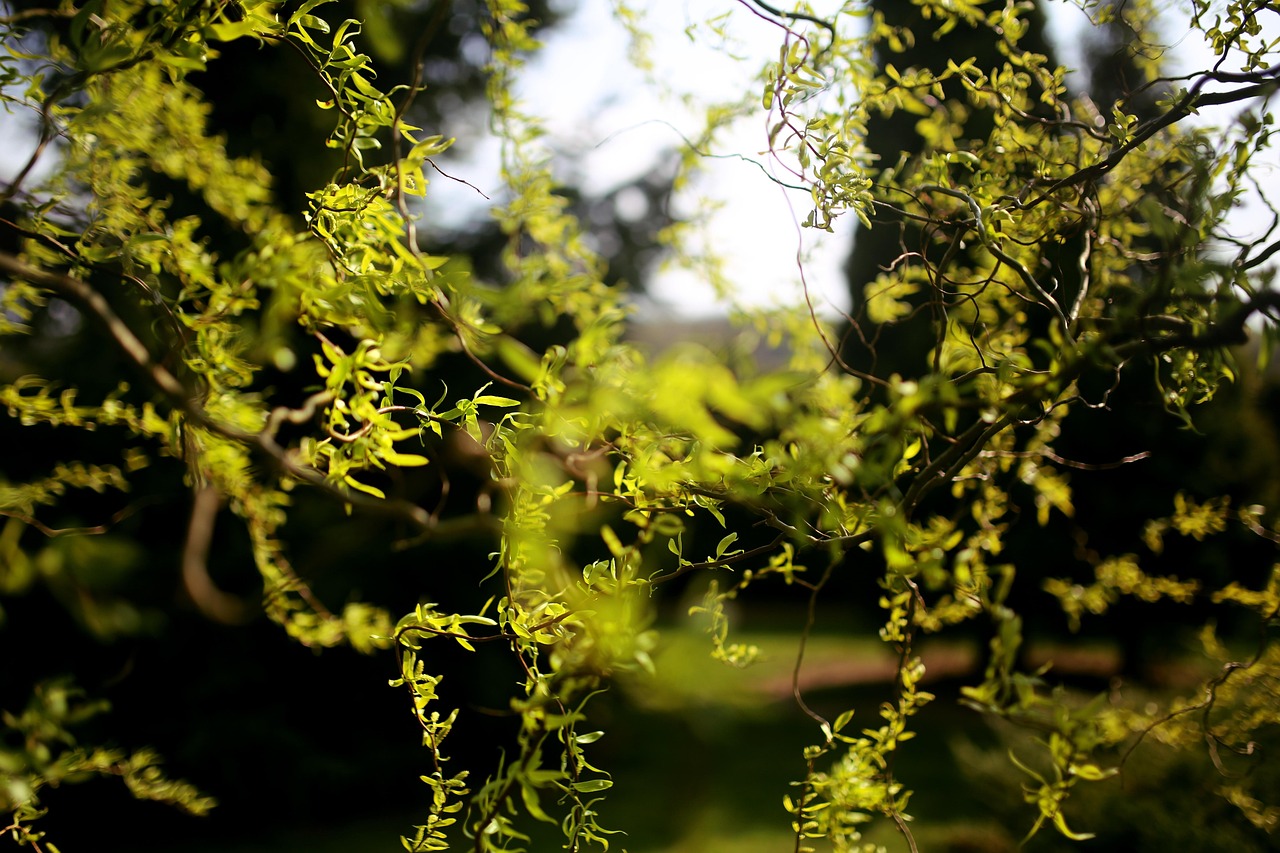

Starting your journey with a corkscrew willow begins with a successful planting process that sets the foundation for future health. You will find that these trees are remarkably resilient and adapt quickly to new environments when given a proper start. It is essential to choose your planting time wisely to ensure the root system can establish itself before extreme weather arrives. By following these professional steps, you can look forward to seeing your young sapling transform into a majestic garden feature.
The best time to plant your new tree is usually in the early spring or late autumn when the plant is dormant. During these periods, the tree can focus its energy on root development rather than supporting a full canopy of leaves. If you plant in the spring, make sure the ground has thawed completely and is workable. Autumn planting should be done several weeks before the first hard frost to allow the roots to settle in.
When you bring your sapling home, keep the roots moist and protected from the wind until the moment you are ready to plant. If the tree is in a container, gently loosen any circling roots to encourage them to grow outward into the surrounding soil. For bare-root specimens, a short soak in a bucket of water can help rehydrate the tissues before they go into the ground. Taking these small preparatory steps prevents transplant shock and encourages faster establishment.
Digging the hole correctly is one of the most important physical tasks in the entire planting process. The hole should be twice as wide as the root ball but no deeper than the height of the root system. You want the tree to sit at the same depth it was growing in the nursery or container to avoid trunk rot. Loosening the soil on the sides of the hole will make it easier for the new roots to penetrate the native earth.
Soil preparation and site optimization
Before you place the tree in the hole, take a moment to evaluate the quality of the soil you removed. If the earth is heavy clay or very sandy, you can mix in some well-rotted compost to improve its structure. This addition provides a slow-release source of nutrients and helps with moisture retention without completely changing the soil chemistry. Avoid using high-nitrogen fertilizers at this stage, as they can burn the tender new roots.
More articles on this topic
Watering the hole before planting is a professional trick that ensures the surrounding soil is fully hydrated. Fill the empty hole with water and let it drain completely to see how well your site handles moisture. If the water sits for more than a few hours, you may need to consider a different location or improve the drainage. This test prevents you from inadvertently drowning your new tree in a waterlogged spot.
Positioning the tree in the center of the hole requires a keen eye for both stability and aesthetics. You should rotate the sapling until its most attractive side faces your primary viewing area, such as a patio or window. Once you are satisfied with the orientation, begin backfilling the hole with the amended soil, tamping it down lightly as you go. This removes large air pockets that could cause the roots to dry out or the tree to tilt.
After the hole is filled, create a small basin of soil around the base of the tree to catch and hold water. This “saucer” helps direct moisture straight down to the roots where it is needed most during the first year. Give the tree a thorough watering immediately after planting to settle the soil and ensure good root-to-soil contact. Finish by applying a layer of mulch to keep the area cool and moist for the coming weeks.
Propagation methods for new specimens
One of the most rewarding aspects of growing this species is the ease with which you can create new plants. Hardwood cuttings taken during the dormant season are the most common and successful method for home gardeners. You should select healthy, straight branches from the previous year’s growth that are about the thickness of a pencil. Each cutting should be roughly twenty to thirty centimeters long and include several healthy buds.
More articles on this topic
To prepare the cuttings, make a clean, slanted cut at the bottom and a straight cut across the top. This helps you remember which end goes into the ground and increases the surface area for root development. You can dip the bottom end into a rooting hormone, although willows naturally contain high levels of indolebutyric acid, making this step optional. Place the cuttings in a pot of moist sand or directly into a prepared nursery bed in your garden.
Softwood cuttings taken in the late spring or early summer provide another effective way to propagate your favorite tree. These cuttings use the flexible, green growth of the current season and root very quickly in a humid environment. You should remove the lower leaves and keep the cuttings under a plastic dome or in a misting system to prevent wilting. Because they are more delicate than hardwood cuttings, they require more frequent monitoring to ensure they don’t dry out.
Water rooting is perhaps the simplest method and is often used by beginners with great success. You can simply place a few curly branches in a vase of clean water and watch as roots emerge from the submerged nodes. Change the water every few days to keep it oxygenated and free from bacterial growth that could cause rot. Once the roots are several centimeters long, you can carefully transplant the new willow into a pot of high-quality potting soil.
Supporting young tree development
The first two years are a critical time for your young willow as it builds the strength needed for a long life. You should maintain a regular watering schedule, especially during dry spells or periods of high heat. The goal is to keep the soil consistently moist but never saturated, allowing the roots to expand into the surrounding landscape. Checking the soil moisture twice a week will help you stay on top of the tree’s needs.
Managing competing vegetation around the base of the sapling is essential for its rapid growth. Grass and weeds can quickly steal water and nutrients away from a young tree, stunting its progress. You should keep a clear, mulched circle at least one meter in diameter around the trunk to minimize this competition. This also protects the thin bark of the young willow from being damaged by lawnmowers or string trimmers.
Early structural pruning should focus on establishing a single, strong leader and a balanced branch structure. You should remove any branches that are growing at sharp angles or that are competing with the main trunk. It is better to make small, corrective cuts now than to deal with large, problematic limbs later in the tree’s life. Always use sharp hand pruners and make your cuts just above a healthy, outward-facing bud.
Observing the growth rate of your young willow will give you a sense of its overall health and vigor. You should see significant new growth each season, with the branches extending several centimeters or even a meter in some cases. If the tree seems sluggish or the leaves look pale, you might need to adjust your watering or consider a light application of fertilizer. Celebrating these early milestones makes the process of growing a tree from a sapling or cutting truly special.