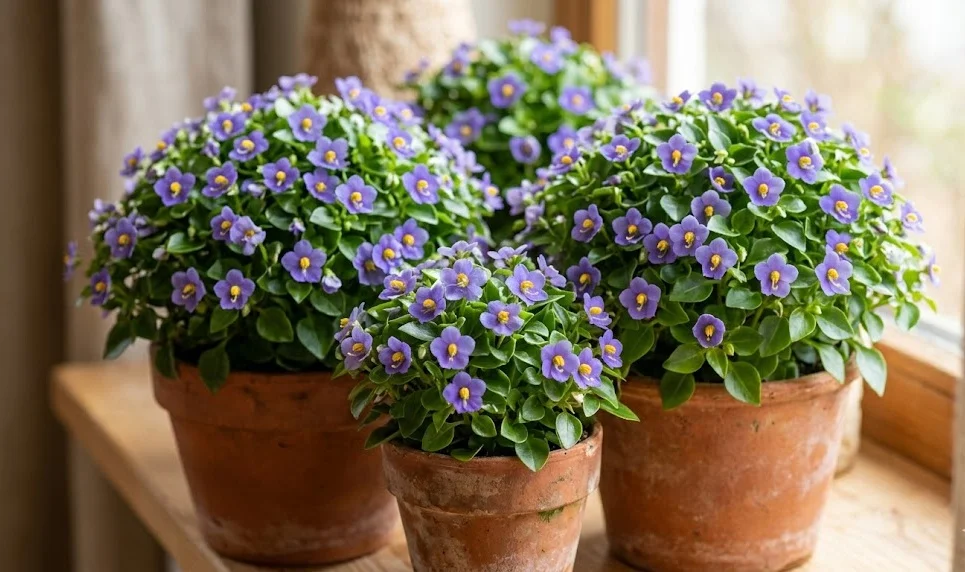

Successful cultivation of the persian violet begins with a thorough understanding of its initial planting and establishment phases. This plant is traditionally grown from seeds, which requires a high level of precision and patience from the gardener. Establishing a strong root system early on is the most critical step in ensuring a healthy and productive plant. By following a professional approach to planting, you can create a solid foundation for the entire growing season.
The timing of your planting activities will dictate when the plant reaches its peak flowering stage later in the year. For most indoor gardeners, starting the process in late winter or early spring provides the best results for summer displays. This schedule aligns the plant’s natural growth cycle with the increasing light levels and warmth of the spring months. Professional nurseries often use supplemental heat and light to start plants at various times of the year for a continuous supply.
Selecting the right container for the initial planting phase is just as important as the soil itself. Small nursery pots or specialized seed trays are ideal for providing the controlled environment that young seedlings require. These containers allow for easy monitoring of moisture levels and make the eventual transplanting process much more manageable. Ensure that every pot used has been thoroughly cleaned and sterilized to prevent any early-onset diseases.
The depth at which you plant the seeds or cuttings will directly influence the germination and rooting success rates. For seeds, a very light covering of soil is usually sufficient, as they often require some light to stimulate the biological processes. If planted too deeply, the emerging shoots may run out of energy before they reach the surface and access the light. Professional precision during this phase prevents many common failures associated with home seed starting.
Seed selection and preparation
Obtaining high-quality seeds from a reputable supplier is the first step toward a successful crop of vibrant purple flowers. Fresh seeds have much higher germination rates and produce more vigorous seedlings that can withstand environmental stress. You should check the packaging for the harvest date and any specific storage instructions provided by the producer. Storing seeds in a cool, dry place until you are ready to plant them preserves their internal energy reserves.
More articles on this topic
Some experienced growers prefer to pre-treat their seeds to enhance the speed and uniformity of the germination process. Soaking the seeds in lukewarm water for a few hours can help soften the outer coating and trigger the internal growth mechanisms. This technique is particularly useful if the seeds have been stored for a long period or appear exceptionally dry. However, you must be careful not to leave them in water for too long, as this can lead to rot.
The preparation of the sowing environment should be completed before you even open the seed packet to ensure a smooth process. Set up your workspace with all the necessary tools, including a clean tray, fresh soil, and a fine-mist sprayer. Having everything ready minimizes the time the seeds are exposed to the open air and reduces the risk of contamination. A professional setup reflects a serious commitment to the health and vitality of the future plants.
Labeling your trays and pots is a simple yet essential habit that every professional gardener follows without exception. Include the name of the variety, the date of sowing, and any specific treatments you may have applied to the seeds. This information becomes incredibly valuable when you are monitoring the progress and comparing different batches over time. Clear records allow you to refine your techniques and achieve more consistent results in future planting seasons.
Effective soil management
A professional-grade seed-starting mix is usually composed of fine-textured materials like peat moss, perlite, and a small amount of vermiculite. This combination provides the perfect balance of moisture retention and air space that delicate new roots need to expand. Avoid using heavy garden soil for indoor planting, as it often contains pathogens and lacks the necessary drainage. The medium should be damp but not dripping wet before you begin the actual sowing process.
More articles on this topic
Leveling the surface of the soil within the tray ensures that the seeds are distributed evenly and receive consistent moisture. You can use a small board or the palm of your hand to gently press the soil down and remove any large air pockets. Be careful not to pack the soil too tightly, as this can impede the growth of the fragile emerging roots. A smooth, even surface makes it much easier to manage the moisture levels during the critical first few weeks.
Managing the temperature of the soil is often more important than the air temperature when it comes to successful germination. Using a waterproof heat mat underneath the trays can maintain a consistent warmth that encourages the seeds to sprout quickly. Most tropical species prefer a soil temperature around twenty-one degrees Celsius for the most reliable and uniform results. Once the seedlings have emerged, the heat can be gradually reduced to prevent the plants from becoming too soft.
Moisture management during the germination phase requires a delicate touch and constant observation to avoid common pitfalls. Using a clear plastic dome or a simple sheet of plastic wrap over the tray helps maintain a high level of humidity. This creates a mini-greenhouse effect that prevents the surface of the soil from drying out and trapping the seeds. Remember to vent the cover daily to allow for fresh air exchange and prevent the buildup of mold.
The process of sowing seeds
The actual act of sowing the seeds requires a steady hand and a focus on maintaining even spacing between each future plant. Since the seeds of this species are quite small, some growers mix them with a small amount of fine sand. This makes it easier to see where the seeds have landed and prevents them from being sown too thickly in one spot. Proper spacing ensures that each seedling has enough room to develop without competing for light and nutrients.
After the seeds have been placed on the soil surface, a very light dusting of fine vermiculite can be used to hold them in place. This material allows light to pass through while keeping the seeds in direct contact with the moist growing medium. Use a fine-mist sprayer to gently settle the seeds into the soil without washing them away or burying them too deeply. This initial watering is the spark that begins the entire life cycle of the persian violet.
During the first few days after sowing, the trays should be kept in a bright location but away from direct, harsh sunlight. Extreme heat can cook the seeds under the plastic cover, while too much shade will lead to weak and elongated seedlings. Finding the right balance of light and warmth is the most challenging part of the early cultivation process for many hobbyists. Check the moisture levels every morning and afternoon to ensure the soil remains consistently damp to the touch.
As soon as the first green shoots appear, the plastic cover should be removed to allow for better air circulation and light access. This is the moment when the seedlings transition from their internal energy stores to active photosynthesis for growth. You may need to move the trays closer to the light source to keep the young plants compact and strong. Professional observation at this stage allows you to identify the strongest individuals for the eventual transplanting phase.
Advanced propagation techniques
While seeds are the most common method, taking stem cuttings is another professional way to multiply your collection of healthy plants. This technique allows you to create exact clones of a particularly beautiful or vigorous parent plant from your existing stock. Select a healthy, non-flowering stem and cut a piece about five to ten centimeters long using a sharp, sterile blade. Remove the lower leaves and dip the cut end into a high-quality rooting hormone to stimulate root development.
The cutting should be placed into a moist, well-draining medium such as a mix of perlite and peat moss for the best results. Like seeds, cuttings require a humid environment to prevent the foliage from wilting before the new roots can take over. You can create a temporary humidity tent using a clear plastic bag supported by small sticks or a dedicated propagator. Keep the cuttings in a warm, bright spot and avoid disturbing them until you see signs of new growth.
Rooting typically occurs within two to four weeks depending on the temperature and the overall health of the original cutting. You can gently tug on the stem to feel for resistance, which indicates that a functional root system is beginning to form. Once the roots are well-established, you can gradually acclimate the new plant to the lower humidity of the open room. This process, known as hardening off, is essential for the long-term survival of the young clones.
Transplanting the young plants into their final decorative pots is the final step in the propagation and planting journey. Choose a high-quality potting mix and handle the delicate root balls with extreme care to avoid any unnecessary transplant shock. Water the new plants thoroughly and keep them in a sheltered spot for a few days while they adjust to their new home. With the foundation now firmly established, your persian violets are ready to begin their journey toward a full and beautiful bloom.