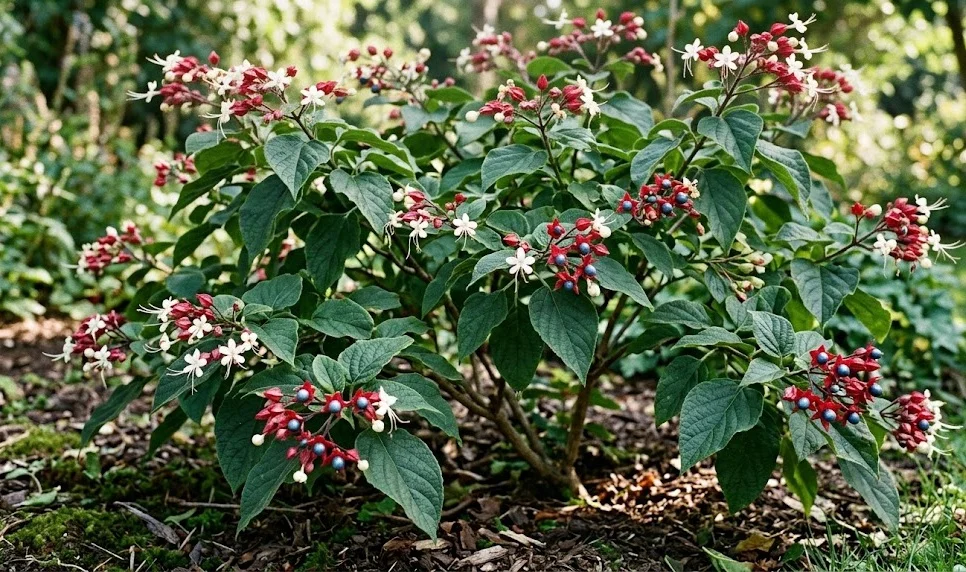

Protecting the harlequin glorybower from biological threats is a primary responsibility for any gardener who wishes to maintain a pristine landscape. This species is generally robust, but it can fall victim to several specific pathogens and insects that thrive in certain environmental conditions. Understanding the lifecycle of these pests and the early symptoms of disease allows for quick and effective management. A proactive stance on plant health is always more successful than trying to save a severely compromised specimen.
Fungal pathogens are among the most common issues, especially in regions with high humidity or frequent summer rains. These microscopic organisms can attack the leaves, stems, and even the root system if the conditions are favorable. Often, the first sign is a change in the texture or color of the foliage that doesn’t seem related to watering. Maintaining good airflow around the plant is the most effective natural defense against these invisible invaders.
Insect pests range from tiny sucking bugs to larger chewing larvae that can defoliate a branch in a matter of days. While some insects are merely a nuisance, others can transmit viral diseases that are much harder to treat. Identifying the specific pest is the first step toward choosing an appropriate control method that minimizes environmental impact. Using integrated pest management techniques ensures that you protect your plant without harming beneficial garden residents.
The overall vigor of the plant is its best defense against almost any biological stressor you might encounter. A well-hydrated and properly fed shrub can often tolerate minor pest damage without any long-term consequences. Conversely, a stressed plant is like a magnet for opportunistic diseases and insects looking for an easy target. Focusing on the fundamentals of care is the foundation of a successful pest and disease strategy.
Common fungal and bacterial diseases
Leaf spot diseases are frequently encountered during warm, wet spells and manifest as small brown or black circles on the foliage. These spots can eventually merge, causing large sections of the leaf to die and fall off prematurely. While rarely fatal, a severe infection can significantly weaken the plant and ruin its aesthetic appeal. Removing and destroying fallen leaves is a simple but effective way to reduce the spread of spores.
More articles on this topic
Powdery mildew is another fungal issue that presents as a white, flour-like dusting on the surface of the leaves. It tends to appear in the late summer when the days are warm and the nights are cool and damp. This fungus doesn’t usually kill the plant, but it can distort new growth and reduce the plant’s ability to photosynthesize. Increasing the distance between plants and pruning for better internal air circulation can help prevent its occurrence.
Root rot is perhaps the most serious disease, often caused by the combination of poor drainage and specific soil-borne fungi. Symptoms include a sudden wilting of the entire plant, even when the soil is clearly moist to the touch. By the time the upper parts of the shrub show distress, the root system may already be severely compromised. Preventing this disease relies entirely on ensuring that the planting site has excellent drainage and is not overwatered.
Bacterial canker can occasionally affect the woody stems, causing sunken areas that may ooze a dark, sticky substance. These lesions can eventually girdle a branch, cutting off the supply of water and nutrients to the growth above it. There is no easy cure for bacterial infections once they are established within the plant’s vascular system. The best course of action is to prune out infected branches well below the visible damage and sterilize your tools immediately.
Identifying and managing insect pests
Aphids are small, soft-bodied insects that cluster on the tender new growth and the undersides of leaves. They feed by sucking the sap, which can cause the leaves to curl, yellow, and become stunted. They also produce a sticky substance called honeydew, which can lead to the growth of unsightly black sooty mold. A strong blast of water from a garden hose is often enough to dislodge and control a minor aphid population.
More articles on this topic
Spider mites are nearly invisible to the naked eye but can cause significant damage in hot, dry conditions. They create fine webbing between leaves and cause a characteristic stippling or bronzing of the foliage as they feed. Because they thrive in dusty environments, keeping the plant well-hydrated and occasionally washing the leaves can deter them. If the infestation is severe, insecticidal soaps or neem oil are effective and relatively safe treatments.
Scale insects look like small, motionless bumps on the stems or leaves and can be easily mistaken for part of the plant. Like aphids, they suck the life out of the shrub and can cause a general decline in health if left unchecked. They are protected by a hard outer shell, making them resistant to many contact insecticides during their adult stage. Horticultural oils applied during the dormant season are often the best way to suffocate these persistent pests.
Whiteflies are tiny, winged insects that take flight in a cloud when the branches are disturbed. They are particularly troublesome because they can reproduce rapidly and are known vectors for various plant viruses. They tend to congregate on the undersides of the leaves, where they lay their eggs and feed on the plant’s juices. Yellow sticky traps can be used to monitor their presence, while systemic treatments may be needed for heavy infestations.
Integrated pest management strategies
Integrated Pest Management, or IPM, is a holistic approach that prioritizes long-term prevention and low-toxicity interventions. It begins with regular monitoring of the garden to catch potential problems before they reach an economic or aesthetic threshold. This strategy encourages the use of cultural, physical, and biological controls before turning to chemical solutions. By understanding the ecosystem of your garden, you can manage pests in a way that is sustainable.
Biological control involves encouraging natural predators, such as ladybugs, lacewings, and parasitic wasps, to inhabit your garden. These beneficial insects can keep pest populations in check without any intervention from the gardener. Planting a variety of flowering herbs and native plants nearby can provide the nectar and habitat these allies need to thrive. Avoiding broad-spectrum pesticides is crucial for maintaining a healthy population of these “good bugs.”
Physical controls include manual removal of larger pests, like caterpillars or beetles, and the use of barriers. For the harlequin glorybower, simply pruning out a localized infestation can often solve the problem without further treatment. Netting or row covers can be used on young plants to protect them during peak insect activity periods. These simple methods are highly effective and have zero negative impact on the surrounding environment.
Chemical controls should be viewed as a last resort and used with extreme precision when other methods have failed. Always choose the most specific and least toxic product available, such as neem oil or potassium salts of fatty acids. Follow the label instructions carefully to ensure the safety of yourself, your pets, and the local wildlife. Timing the application to the most vulnerable stage of the pest’s lifecycle will yield the best results.
Environmental factors in disease prevention
Air circulation is one of the most underrated tools in the gardener’s arsenal for preventing foliar diseases. A dense, tangled canopy creates a stagnant, humid microclimate that is perfect for fungal spores to germinate. Regular thinning of the inner branches allows the wind to move through the plant, drying the leaves quickly after rain. This simple cultural practice can eliminate the need for fungicides in many cases.
Sanitation in the garden is essential for breaking the lifecycle of many persistent pests and pathogens. Fallen leaves and fruit can harbor overwintering insects and fungal spores that will re-infect the plant in the spring. Raking up and composting or disposing of this debris at the end of the season is a critical maintenance task. Always clean your pruning tools with alcohol or a bleach solution between plants to prevent cross-contamination.
Watering practices can either help or hinder your efforts to keep the plant healthy and disease-free. As mentioned before, overhead watering should be avoided because wet foliage is much more susceptible to infection. Using a drip system or a soaker hose keeps the moisture at the root level where it belongs. If you must use a sprinkler, do it early in the day so the sun can dry the leaves quickly.
Soil health and nutrition play a supportive role in the plant’s immune response to biological attacks. A plant that has access to a full range of minerals is better equipped to produce defensive chemicals and heal wounds. Avoid over-fertilizing with nitrogen, as this can stimulate soft, succulent growth that is particularly attractive to sucking insects. A balanced, slow-release approach is always better for long-term resistance.
Professional diagnostic techniques
If you encounter a problem that you cannot identify, seeking professional help can save you a lot of time and frustration. Many local universities or agricultural extensions offer diagnostic services where you can send a sample of the affected tissue. They can provide a definitive identification of the pathogen or pest and suggest the most effective treatments for your area. This scientific approach takes the guesswork out of plant care.
Digital tools and gardening apps have become increasingly sophisticated in helping amateurs identify common plant issues. By uploading a clear photo of the damage, you can often get an immediate suggestion of the likely cause. While these tools are not infallible, they are a great starting point for further research. Always cross-reference the information with reputable horticultural sources before taking action.
Keeping a garden journal is a powerful way to track the history of pests and diseases in your specific landscape. Note when certain issues appear and what treatments seemed to work the best. Over several years, you will notice patterns that help you predict and prevent recurring problems. This historical data is invaluable for refining your integrated pest management strategy over time.
Networking with other local gardeners provides a wealth of practical, site-specific knowledge about regional threats. If a particular pest is sweeping through your neighborhood, you can take preventive measures before it reaches your property. Sharing tips on successful organic treatments or resistant varieties helps the whole community maintain healthier gardens. A collaborative approach is the hallmark of a truly expert horticulturist.