
Sunlight is the primary engine of growth for these magnificent perennials, and understanding their light needs is key to a successful garden. You must place them in a location where they can capture enough energy to produce their iconic, tall flower spikes and lush foliage. While they are known for their love of the sun, the intensity and duration of the light they receive can have a profound impact on their overall health. This article will explore the nuances of light management to help you maximize the beauty and longevity of your plants.
The relationship between light and plant development is a fundamental principle of horticulture that every gardener should master. You should know that these plants are photophilic, meaning they actively seek out and thrive in bright, direct light. Insufficient light often leads to weak, spindly growth and a disappointing floral display as the plant struggles to produce enough energy. Providing the right lighting conditions from the start is the most effective way to ensure a robust and vibrant garden.
Light requirements can also vary depending on your geographic location and the specific variety you are growing. You will find that in cooler northern climates, full sun is almost always the best option to provide the necessary warmth and energy. In hotter southern regions, however, some protection from the intense afternoon sun may be beneficial to prevent heat stress and leaf scorch. Adapting your garden layout to your local light conditions is a mark of professional skill and attention to detail.
As the seasons change, the angle and intensity of the sun will also shift, affecting how much light your garden beds receive. You should observe these changes throughout the year and consider how they might impact the long-term health of your perennials. Strategic placement of neighboring plants and structures can help you manage these shifts and provide a consistent light environment. By mastering the art of light management, you can create a thriving and spectacular floral landscape.
The importance of direct sunlight
Direct sunlight provides the high-energy blue and red wavelengths that are essential for the process of photosynthesis. You should aim for a location that receives at least six to eight hours of unfiltered sun each day for the best results. This intensity of light ensures that the stems grow strong and upright, capable of supporting the heavy weight of the flower spikes. Without enough direct sun, you might find yourself constantly needing to stake and support “floppy” plants.
More articles on this topic
The timing of the light is also a professional consideration, with morning sun often being more beneficial than the harsh afternoon heat. You will find that the cool, bright light of the morning allows the plant to begin its daily metabolic processes without the risk of dehydration. This early energy boost helps the plant stay vigorous and resilient throughout the rest of the day. If you have a choice, pick a spot with an eastern exposure for your most prized specimens.
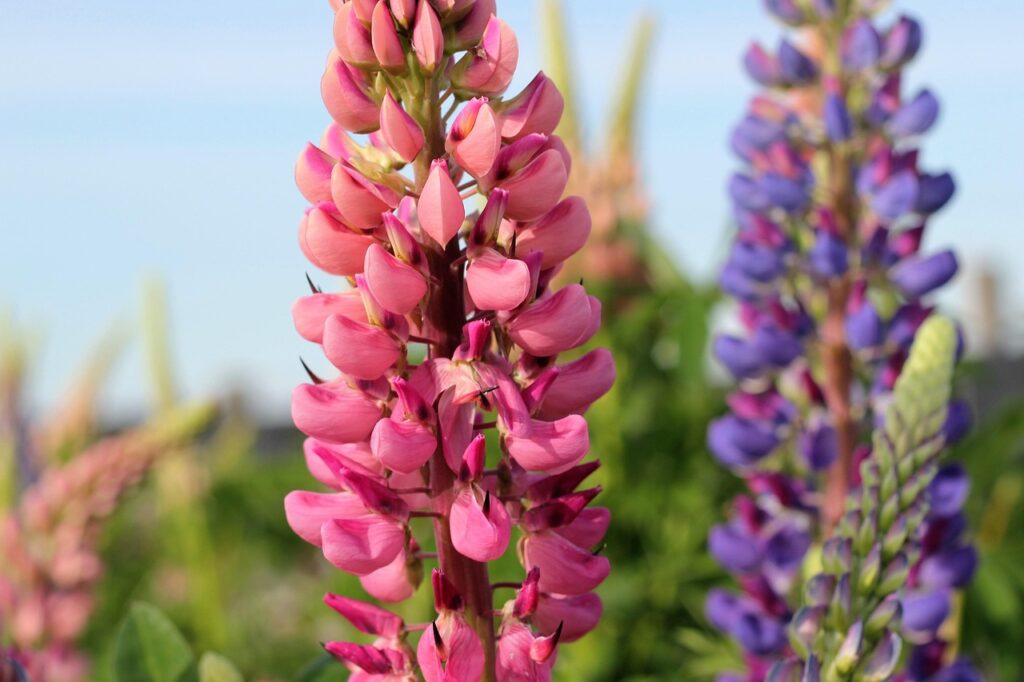
Sunlight also plays a critical role in the development of the vibrant colors that make these flowers so popular. You will notice that the blues, purples, and pinks appear more intense and saturated when the plants are grown in bright light. Shaded conditions can lead to paler, less impressive colors and a shorter overall blooming period. For the most dramatic visual impact, maximize the light exposure to allow the full spectrum of color to develop.
Finally, the health of the soil biology is also indirectly influenced by the amount of light reaching the garden bed. You should know that warm, sun-lit soil encourages the activity of beneficial microbes and insects that support root health. While you want to keep the roots themselves cool with mulch, the surrounding environment should be bright and active. This combination of “warm head and cool feet” is the professional secret to growing spectacular and healthy lupines.
Navigating shaded garden areas
While these plants are sun-lovers, you may find that your garden has areas of partial or dappled shade that you wish to fill. You should be aware that while they can tolerate some shade, their performance will likely be less spectacular than in full sun. In these conditions, you should expect fewer flower spikes and a more relaxed, sprawling growth habit. Choosing lighter-colored varieties can help brighten up these darker corners and make the most of the available light.
More articles on this topic
Filtered light under the canopy of a high-branching tree is often more successful than the deep shade found against a north-facing wall. You should look for spots where the sun can still reach the foliage for several hours a day as it moves across the sky. This “moving shade” provides a break from the most intense heat while still delivering enough energy for the plant to function. Professional gardeners often use these microclimates to extend the blooming season of heat-sensitive varieties.
Competition for light is a constant battle in a crowded garden, and you must ensure your lupines are not being overshadowed. You should regularly prune back any overhanging shrubs or fast-growing annuals that might be stealing the sun from your perennials. Keeping the area around your plants clear allows the light to reach all parts of the foliage, from the top buds to the lower leaves. This attention to space and light management is essential for maintaining a healthy and productive garden bed.
If you find that a plant is truly struggling in a shaded spot, you should not hesitate to move it to a brighter location. You will find that they often recover quickly and show a dramatic improvement in growth once their light needs are met. Just be sure to move them in the early spring or autumn to minimize the stress on the root system. Recognizing when a plant’s environmental needs are not being met is a key part of expert-level horticultural management.
Phototropism and plant health
Phototropism is the natural tendency of plants to grow toward their light source, and it can affect the symmetry of your garden. You might notice that your flower spikes start to lean or bend if the light is coming primarily from one direction. To prevent this, you should try to place them in an open area where the light is more evenly distributed throughout the day. If they do start to lean, a well-placed stake can help guide them back into a more upright and aesthetic position.
Monitoring the orientation of the leaves can also tell you a lot about the quality of the light your plants are receiving. You will find that healthy leaves position themselves to capture the maximum amount of sun without becoming overheated. If the leaves are held vertically or seem to be hiding from the light, it might be a sign that the intensity is too high. This subtle plant communication is something that professional gardeners learn to read and respond to over time.
Reflected light from light-colored walls or fences can also be used to boost the energy levels in a slightly shaded garden. You should consider painting nearby structures in a bright, reflective color to bounce more light back onto your flower beds. This simple trick can make a surprising difference in the vigor and flowering potential of your plants. It is a creative and professional way to manage the light environment in a challenging or urban garden space.
Finally, remember that the quality of light can be affected by dust or pollution on the surface of the leaves. You should occasionally rinse the foliage with a gentle spray of water to keep it clean and efficient at capturing sunlight. This minor maintenance task ensures that the plant is making the most of every hour of sun it receives. A clean, well-lit garden is always more productive and beautiful than one that is neglected or overgrown.