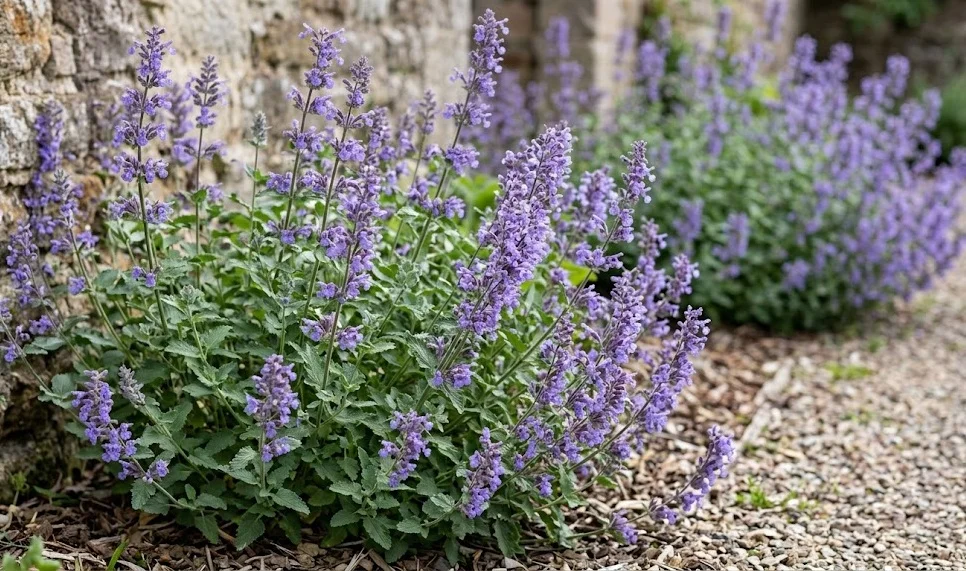

While garden catmint is known for being a robust and trouble-free perennial, it is not entirely immune to biological challenges. Identifying potential issues early is the key to maintaining a healthy and aesthetically pleasing garden border. Most problems are environmental or cultural in nature and can be managed with professional techniques and keen observation. This guide covers the most common diseases and pests that might affect your catmint and provides practical solutions for their control.
Fungal issues and mildew
Powdery mildew is one of the most common fungal diseases you might encounter when growing catmint in certain climates. It appears as a white, flour-like dusting on the leaves and stems, often during humid weather with cool nights. While it rarely kills the plant, it can significantly detract from its appearance and reduce its overall vigor. Professional gardeners often look for resistant cultivars and ensure there is plenty of space between plants for air movement.
Leaf spot is another fungal condition that can manifest as small, dark lesions on the foliage during wet seasons. These spots can eventually merge, causing the leaves to yellow and drop prematurely from the plant. This is usually a sign that the foliage is staying wet for too long after rain or overhead watering. To manage this, always water at the base of the plant and prune back any dense growth to improve the internal microclimate.
Root rot is perhaps the most serious threat to catmint, and it is almost always caused by poor soil drainage. When the roots are submerged in water for too long, they lose the ability to take in oxygen and begin to decay. You might notice the plant wilting despite the soil being wet, which is a classic symptom of a failing root system. Prevention is the only real cure, which involves planting in well-draining soil and avoiding over-irrigation.
Crown rot can also occur in the winter if the center of the plant remains too wet during the dormant period. This often happens if heavy mulch is piled directly against the stems or if the plant is in a low spot where water collects. You will see the center of the clump turning black and mushy as the weather warms up in the spring. If this occurs, you may need to dig up the plant, remove the affected sections, and move the healthy parts to a drier location.
More articles on this topic
Identifying common insect pests
Aphids are small, soft-bodied insects that can occasionally be found clustered on the new growth of catmint. They feed on the plant’s sap, which can cause the leaves to curl or become distorted if the infestation is severe. In most cases, a healthy population of ladybugs and other beneficial insects will keep aphid numbers in check naturally. If you need to intervene, a sharp blast of water from a garden hose is often enough to dislodge them without using chemicals.
Spider mites can become a problem during hot, dry periods, especially if the plants are stressed by a lack of water. These tiny pests are hard to see with the naked eye, but their presence is often signaled by fine webbing and stippled, yellowing leaves. Increasing the humidity around the plants or providing more regular water can help deter these mites from establishing a colony. Professional growers sometimes use insecticidal soaps, but this is rarely necessary for catmint in a balanced garden ecosystem.
Whiteflies are another sap-sucking insect that might occasionally target the undersides of catmint leaves. When you disturb the plant, they fly up in a small cloud, which makes them very easy to identify. Like aphids, they are usually managed by natural predators, but they can be a nuisance in enclosed spaces like greenhouses. Keeping the garden free of weeds and providing good airflow are the best ways to prevent whiteflies from becoming a significant issue.
Four-lined plant bugs can sometimes cause distinctive small, circular, sunken spots on the leaves of various perennials, including catmint. These insects are active for a short period in the late spring and early summer before disappearing for the rest of the year. While the damage can look alarming, it is usually purely cosmetic and does not harm the long-term health of the plant. In a professional garden setting, the best approach is often to simply prune away the affected foliage once the bugs have moved on.
More articles on this topic
Slugs and snails in the garden
In damp climates or particularly rainy springs, slugs and snails can occasionally take an interest in the tender new shoots of catmint. They leave behind tell-tale slime trails and irregular holes in the foliage, usually feeding during the night or on overcast days. While catmint is not their favorite food, they can cause noticeable damage to young transplants or fresh spring growth. Monitoring your plants in the early morning can help you catch these pests before they do too much harm.
One professional way to manage slugs is to remove their hiding places by keeping the area around the base of the plants clear of debris. Avoid using thick, moisture-retaining organic mulches if you have a significant slug problem in your garden. Instead, use gravel or stone mulches that are less hospitable to these soft-bodied creatures. This simple change in your cultural practices can significantly reduce the amount of damage you see on your perennials.
If the problem persists, you can use various organic baits or traps to reduce the slug population. Beer traps buried at soil level are a classic and effective DIY solution that many gardeners swear by. Alternatively, iron phosphate-based pellets are considered safe for pets and wildlife while being very effective against slugs and snails. Always use these products sparingly and target them specifically to the areas where you see the most damage occurring.
Encouraging natural predators like toads, frogs, and ground beetles is the best long-term strategy for slug control. A diverse garden with plenty of habitats for these beneficial animals will naturally regulate many common pests. By avoiding broad-spectrum pesticides, you allow these natural “security guards” to do their job effectively. This holistic approach creates a more resilient garden that requires less chemical intervention from the grower.
Environmental and abiotic stress
Sometimes what looks like a disease or pest issue is actually a reaction to environmental stress or improper care. Wilting can be caused by either too little or too much water, so it is important to check the soil before taking action. If the leaves are turning yellow but the veins remain green, the plant might be suffering from a nutrient lockout due to incorrect soil pH. Identifying these abiotic factors is a key part of professional plant diagnostics in the landscape.
Sunscald can occur if a plant that has been in the shade is suddenly moved into intense, direct sunlight. The leaves may develop white or brown bleached patches where the sun has damaged the tissues. To avoid this, always acclimate new plants gradually to their permanent sunny locations over a period of several days. Once established, catmint is very sun-tolerant, but young or pampered plants need a little time to toughen up.
Salt damage can be an issue if your catmint is planted near a road or walkway where de-icing salts are used in the winter. This can cause the edges of the leaves to turn brown and crispy as the plant wakes up in the spring. If you suspect salt stress, flushing the soil with plenty of fresh water in the early spring can help leach the salts away from the roots. In coastal areas, choosing salt-tolerant cultivars is a professional way to avoid this problem entirely.
Lastly, “flopping” or splitting in the center is a common physical issue that is often mistaken for a health problem. This usually happens when the plant is grown in soil that is too rich or if it hasn’t been pruned after its first bloom. The heavy stems simply fall outward under their own weight, leaving an open center in the clump. Regular pruning and growing in lean soil are the best professional ways to maintain a tight, attractive habit.
Integrated pest management strategies
Adopting an Integrated Pest Management (IPM) approach is the most professional and sustainable way to handle garden challenges. This strategy involves monitoring your plants regularly so you can catch issues while they are still small and manageable. By understanding the life cycles of both pests and their natural enemies, you can time your interventions for maximum effect. The goal is to maintain a healthy balance rather than trying to eliminate every single insect from your garden.
Cultural controls are your first line of defense and include things like proper spacing, watering, and site selection. A plant that is growing in its ideal environment is naturally more resistant to both diseases and pests. By providing full sun and excellent drainage, you eliminate the conditions that many fungi and weak-pathogens need to thrive. These simple preventative measures are the foundation of any successful perennial garden maintenance program.
If you must use treatments, always start with the least toxic options first, such as horticultural oils or insecticidal soaps. These products work by physical contact and have minimal residual impact on the environment or beneficial insects. Always read the label carefully and apply them in the cool of the evening to avoid damaging the foliage. Using the right tool for the job ensures that you solve the problem without creating new ones in the process.
Education and record-keeping are final components of a professional approach to garden health. Take note of when certain pests appear or when disease symptoms first show up each year. This allows you to anticipate problems and take preventative action before they become serious. Over time, you will develop a deep understanding of your garden’s unique ecology, making you a more effective and confident gardener.