
The relationship between the flowering almond and the sun is the primary factor that determines the success of its annual blooming cycle. As a plant that has evolved to thrive in open spaces, its metabolic processes and structural development are finely tuned to specific levels of light intensity. Understanding how to position this shrub in your landscape requires more than just finding a sunny spot; it involves analyzing the quality of light throughout the day and across the seasons. By mastering the light requirements of this species, you can ensure that it reaches its full ornamental potential and remains a healthy part of your garden.
Maximizing floral production through sunlight
Full sun is the gold standard for the flowering almond if you want to see the dense, branch-smothering floral display for which it is famous. In professional terms, full sun means at least six to eight hours of direct, unfiltered sunlight during the peak of the growing season. Sunlight provides the energy needed for photosynthesis, which in turn creates the carbohydrates that the plant stores to fuel next year’s flower buds. A plant that receives insufficient light will prioritize survival and foliage growth over the “luxury” of producing thousands of energy-expensive blossoms.
The quality of the morning sun is particularly beneficial for this species because it helps dry the dew off the leaves and flowers quickly. Rapid drying of the foliage is one of the most effective natural defenses against fungal infections like powdery mildew and leaf spot. If you have a choice, placing the shrub where it receives strong morning light followed by some protection from the intense late-afternoon heat is often ideal. This balance provides plenty of energy while reducing the risk of heat stress during the hottest part of the summer.
When a flowering almond is grown in too much shade, its physical appearance begins to change in ways that are often undesirable. The branches will become “leggy” as they stretch toward the light, resulting in a sparse, open canopy rather than a compact, rounded shape. Furthermore, the number of flower buds will decrease significantly, and those that do form may produce smaller or less vibrant blossoms. If you notice your shrub becoming thin and unproductive, it is likely a sign that it is being outcompeted for light by nearby trees or structures.
It is also important to consider the shadow patterns of your garden, which change dramatically from spring to autumn. A spot that seems sunny in the early spring when neighboring trees are bare might become quite shaded once the canopy fills in. Since the flowering almond sets its buds for the next year during the summer, it needs consistent light even after its own flowers have faded. Ensuring that the site remains bright throughout the entire growing season is the key to a reliable and spectacular spring performance year after year.
More articles on this topic
Managing the effects of intense heat and light
While the flowering almond loves the sun, extreme heat coupled with intense radiation can sometimes lead to physiological stress. In very southern or hot inland climates, the reflected heat from a white wall or a paved surface can be too much for the delicate leaves. If you are planting in such a location, you should provide a bit of dappled shade during the hottest two or three hours of the afternoon. This “high shade” from a tall, thin-canopied tree can provide the perfect filtered light that protects the plant without starving it of energy.
Signs of light and heat stress include wilting in the afternoon, leaf scorching at the margins, and premature leaf drop in the late summer. If you see these symptoms, it doesn’t necessarily mean the plant needs to be moved; it may just need more consistent watering to keep up with the transpiration demands. Using a light-colored mulch can also help by reflecting some of the heat away from the root zone and keeping the soil temperature more stable. Monitoring the plant’s reaction to the sun during the first few summers will help you fine-tune its care routine.
In urban environments, artificial light from streetlamps or security lights can sometimes interfere with a plant’s natural perception of day length. While the flowering almond is not as sensitive to photoperiodism as some other species, extreme light pollution can theoretically disrupt its entry into dormancy. Whenever possible, try to plant your ornamental shrubs in areas that experience natural darkness at night. This ensures that the plant’s internal biological clock remains synchronized with the changing seasons and the local climate.
For those growing the flowering almond in containers, the ability to move the plant provides a unique advantage in managing light. You can place the pot in the sunniest part of the garden during the early spring to maximize the bloom, then move it to a slightly more sheltered spot for the summer heat. This flexibility allows you to provide the optimal microclimate for each stage of the plant’s development. Just remember that a plant moved from shade to full sun needs a few days of transition to avoid burning the foliage.
More articles on this topic
Strategic placement in the landscape
When planning your garden, think of the flowering almond as a “sun-catcher” that should be positioned where it can shine. It works beautifully as a specimen plant in the middle of a sunny lawn or as a bright accent in a mixed border with other sun-loving perennials. Avoid placing it directly under the heavy canopy of large evergreen trees, as the constant shade and competition for light will quickly lead to its decline. A distance of at least ten to fifteen feet from the trunk of a large tree is usually enough to ensure adequate light.
Air circulation is closely tied to light placement, as open, sunny areas naturally have more air movement than stagnant, shaded corners. Placing your shrub in a bright, open position not only fuels its growth but also keeps it healthier by reducing the humidity around its branches. If you are planting several shrubs together, space them far enough apart so that they don’t shade each other out as they grow. A well-spaced group of flowering almonds in full sun is a sight that few other spring-blooming plants can match.
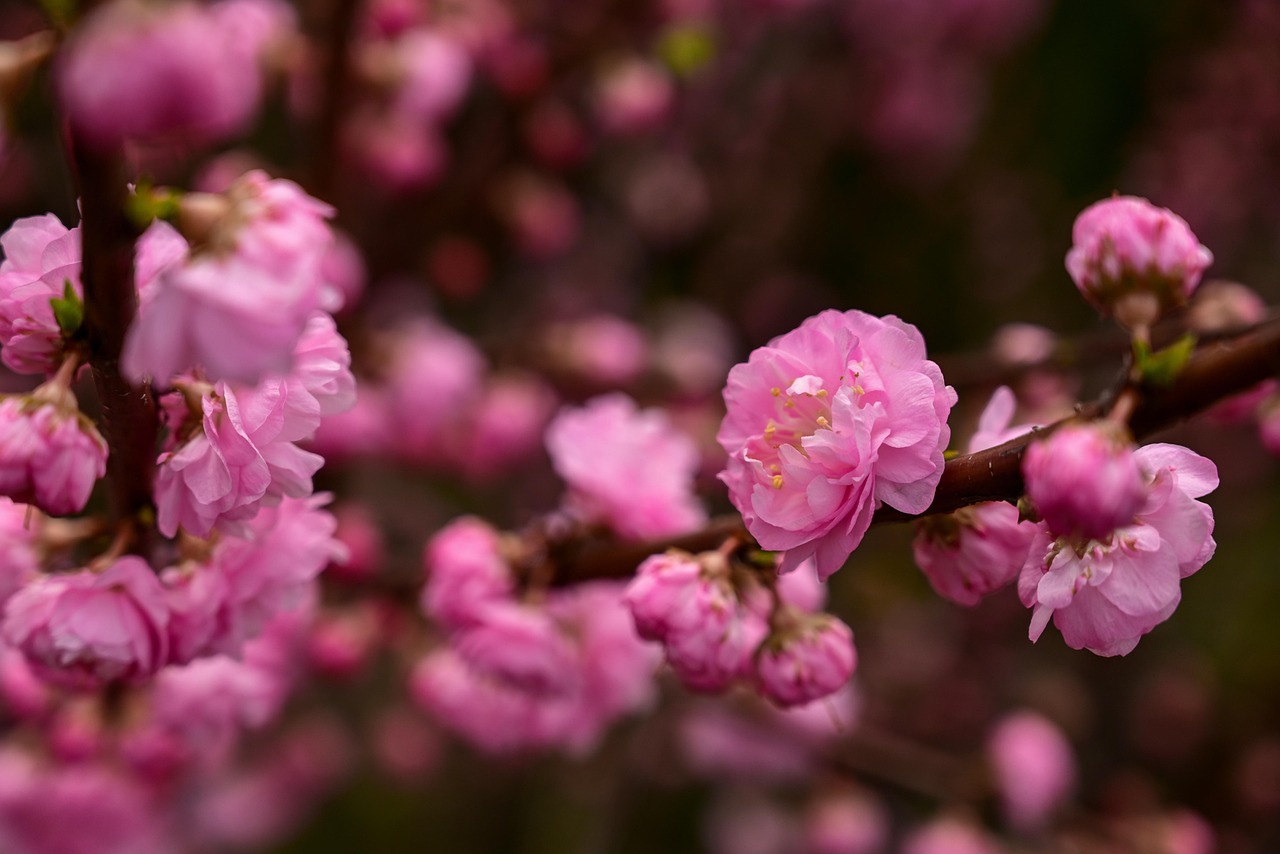
Consider also the background against which the plant will be viewed, as the light will hit the pink blossoms differently depending on what is behind them. A dark evergreen hedge or a dark-colored fence will make the brightly lit flowers “pop” and appear much more dramatic. Conversely, placing the shrub against a very light-colored wall can sometimes wash out the delicate pink tones of the petals. Using the natural light of your garden to highlight the plant’s best features is an essential part of professional landscape design.
Finally, remember that light requirements are not static and may need to be re-evaluated as your garden matures. A spot that was perfectly sunny five years ago might now be shaded by a neighbor’s new fence or a fast-growing tree. Don’t be afraid to prune back encroaching branches from other plants to “open a window” of light for your flowering almond. Maintaining the integrity of its light source is a long-term commitment that will be rewarded every spring with a breathtaking display of color.