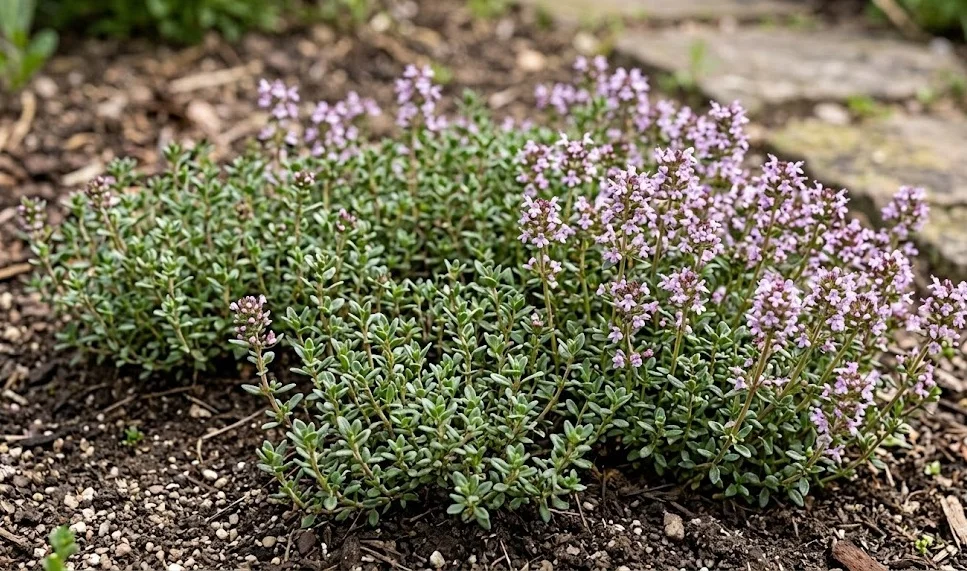

Managing the health of garden thyme involves a proactive approach to identifying and mitigating the various diseases and pests that can affect this hardy herb. You must be vigilant in monitoring your plants, as early detection is often the key to preventing a minor issue from becoming a garden-wide catastrophe. While thyme is naturally resistant to many problems due to its high essential oil content, it is not entirely immune to the pressures of the environment. Understanding the life cycles of common threats allows you to intervene at the most effective moments.
A professional pest and disease management strategy begins with cultural practices that create a resilient and healthy growing environment for the herbs. You should focus on providing excellent drainage and airflow, which are your primary defenses against the fungal pathogens that thrive in damp conditions. Most issues with Mediterranean herbs are a direct result of environmental stress, so maintaining the right balance of water and light is crucial. When the plant is strong and growing in its ideal conditions, it can naturally resist many of the common challenges it might face.
Chemical interventions should always be a last resort in a well-managed herb garden, especially when the plants are intended for culinary or medicinal use. You should prioritize mechanical controls, such as hand-picking insects or pruning away infected branches, to keep populations under control. If you do need to use a spray, opt for organic and natural solutions that have a minimal impact on the surrounding ecosystem and beneficial insects. This holistic approach ensures that your garden remains a safe and productive space for both the plants and the people who enjoy them.
Education and observation are the most powerful tools in your arsenal when it comes to protecting your thyme from unwanted guests and infections. You should make it a habit to inspect the underside of the leaves and the base of the stems where many pests like to hide during the day. Keeping a garden journal can help you track the appearance of certain issues and identify patterns over the course of several growing seasons. By becoming an expert on the specific needs and vulnerabilities of your plants, you can enjoy a thriving and aromatic herb patch for years to come.
Recognizing fungal pathogens
Fungal diseases are perhaps the most significant threat to thyme, particularly in regions with high humidity or heavy rainfall. You should watch for signs of root rot, which typically manifests as a sudden wilting and browning of the entire plant despite the soil being wet. This pathogen thrives in anaerobic conditions where the soil is compacted and water cannot drain away from the delicate root system. Once root rot has taken hold, it is very difficult to save the plant, making prevention through proper soil preparation absolutely essential.
More articles on this topic
Botrytis cinerea, also known as gray mold, is another fungal issue that can affect the dense foliage of the herb during damp weather. You will notice a fuzzy, grayish growth appearing on the leaves and stems, eventually leading to the decay of the affected tissues. This fungus spreads quickly through spores that are carried by the wind or splashing water, so removing infected parts immediately is a professional necessity. Improving air circulation by thinning out the plants can help keep the leaves dry and less susceptible to this common garden problem.
Powdery mildew is a less lethal but still problematic fungus that appears as a white, flour-like dusting on the surface of the thyme leaves. You will find that this issue is most common during periods of warm days and cool, humid nights when the plants are under stress. While it rarely kills the herb, it can significantly reduce the quality of the harvest and make the leaves look unappealing. Applying a diluted milk or baking soda spray can often manage mild outbreaks without the need for harsh chemical fungicides.
Rust is another fungal disease that you might encounter, characterized by small, orange or brown pustules on the undersides of the leaves. Infected plants often show a decline in vigor and may drop their leaves prematurely if the infestation is severe. You should avoid overhead watering, which keeps the foliage wet and provides the perfect environment for rust spores to germinate and spread. If you identify rust in your herb bed, it is often best to remove and destroy the most heavily infected plants to protect the rest of your collection.
Controlling sap-sucking insects
Aphids are among the most common pests you will encounter, often gathering in large numbers on the tender new growth of the thyme stems. You should look for these tiny, soft-bodied insects which can be green, black, or even pink, depending on the specific variety and the time of year. They feed by sucking the sap from the plant, which can cause the leaves to curl, yellow, and become distorted as they grow. A strong blast of water from a garden hose is often enough to dislodge them and keep their numbers at a manageable level.
More articles on this topic
Spider mites are another group of sap-suckers that can be particularly troublesome during hot, dry spells when the plants are already under heat stress. You might notice fine, silken webbing between the stems and a stippled, yellowish appearance on the surface of the tiny leaves. These pests are very small and can be difficult to see without a magnifying glass, so you must rely on identifying the damage they leave behind. Increasing the local humidity around the plants or using a light application of insecticidal soap can help control these persistent invaders.
Whiteflies are small, winged insects that are often found on the undersides of the leaves and will fly up in a cloud when the plant is disturbed. Like aphids, they suck the life-force from the herb and excrete a sticky substance called honeydew that can lead to the growth of sooty mold. You should use yellow sticky traps to monitor their presence and to catch the adults before they can lay more eggs on your valuable plants. Maintaining a healthy population of ladybugs and other predatory insects in your garden is a professional way to keep whitefly numbers in check naturally.
Scale insects can sometimes be found clinging to the woodier parts of older thyme plants, where they look like small, hard bumps or scales. They are often overlooked because they do not move once they have settled on a spot to feed, but they can slowly drain the vitality of the herb. You can remove these pests manually using a soft brush or by pruning away the most heavily infested branches during your regular maintenance. Encouraging birds and other natural predators into your garden will provide an extra layer of protection against these and other sedentary pests.
Preventive horticultural practices
The best way to manage pests and diseases is to prevent them from ever becoming a problem in your garden through smart horticultural practices. You should start by selecting healthy, disease-free plants from reputable nurseries to ensure you are not introducing pathogens into your soil. Practicing crop rotation and avoiding planting thyme in the same spot where other Mediterranean herbs have recently struggled can help break the life cycles of soil-borne diseases. A clean start is the foundation of a professional garden that requires less intervention over the long term.
Proper spacing is a vital preventive measure that ensures each plant has enough room to grow and that air can move freely through the entire garden bed. You should resist the urge to pack plants too closely together for an “instant” look, as this creates a stagnant environment where fungi and pests can thrive. Following the recommended spacing guidelines for your specific variety of thyme will result in healthier, more resilient plants that are better able to defend themselves. Good airflow is particularly important in regions with high summer humidity where moisture-related issues are more common.
Sanitation is another professional practice that involves keeping the garden area free of debris, fallen leaves, and weeds that could harbor pests and diseases. You should regularly remove any dead or dying foliage from your thyme plants to prevent it from becoming a breeding ground for pathogens. Tools used for pruning should always be cleaned with alcohol or a mild bleach solution between plants to prevent the accidental spread of infections. A tidy garden is not just an aesthetic choice; it is a fundamental part of an integrated pest management strategy.
Finally, you should focus on building a healthy soil ecosystem that supports the natural immune system of the plants you are growing. Incorporating a small amount of high-quality compost once a year helps provide the beneficial microbes that can actually fight off harmful fungi in the root zone. Avoid using high-nitrogen fertilizers that produce weak, succulent growth which is particularly attractive to sap-sucking insects like aphids. By working with nature rather than against it, you create a robust garden that can largely take care of itself.
Natural pest control solutions
When a pest problem does arise, there are many natural and organic solutions that you can use before turning to more aggressive chemical options. Neem oil is a professional-grade organic treatment that is effective against a wide range of insects, including aphids, mites, and whiteflies. It works by disrupting the hormonal systems of the pests, preventing them from feeding and reproducing without harming most beneficial insects. You should apply it in the cool of the evening to avoid any potential leaf burn from the sun.
Insecticidal soaps are another excellent tool for managing soft-bodied insects on your herbs without leaving behind toxic residues. You can make your own or purchase a pre-mixed solution that is specifically designed for use on edible plants and garden vegetables. These soaps work on contact by breaking down the outer shell of the insects, so you must ensure that you hit the pests directly with the spray. Regular applications may be necessary to catch new generations of pests as they emerge from their eggs.
Encouraging biodiversity in your garden is perhaps the most effective long-term solution for managing pests naturally and sustainably. You should plant a wide variety of flowering species that attract ladybugs, lacewings, and hoverflies, all of which are voracious predators of common herb pests. Providing a small water source and some undisturbed areas can also attract birds and beneficial toads that will help keep insect populations in balance. A diverse garden is a self-regulating ecosystem where the need for human intervention is significantly reduced.
Diatomaceous earth is a natural powder made from the fossilized remains of tiny aquatic organisms and can be used to control crawling insects like slugs or beetles. You should sprinkle it around the base of your thyme plants to create a barrier that is harmless to humans but lethal to insects with exoskeletons. It works mechanically rather than chemically, so pests cannot develop a resistance to it over time. Just remember to reapply the powder after a rain, as it loses its effectiveness when it becomes wet and clumped together.
Mitigating environmental stress
Many of the problems that look like diseases or pest damage are actually the result of environmental stress on the plant. You should recognize that extreme heat, sudden cold snaps, or prolonged drought can all cause the herb to show signs of distress that might be mistaken for an infection. For example, leaf scorching can occur if the plants are exposed to intense midday sun without enough moisture in the root zone to keep them cool. Providing a bit of temporary shade or adjusting your watering routine can often resolve these issues without the need for any sprays.
Soil compaction is another common environmental stressor that can lead to a decline in plant health and an increased susceptibility to root rot. You should avoid walking on your garden beds or using heavy machinery near your herbs to keep the soil structure open and airy. If you notice the soil becoming hard and crusty, gently loosen the surface with a hand fork to allow oxygen and water to reach the roots more easily. Maintaining a healthy soil structure is a professional way to ensure that your thyme has the physical environment it needs to thrive.
Air pollution and chemical drift from nearby lawns or agricultural fields can also cause mysterious spots or yellowing on your thyme foliage. You should be aware of the activities taking place in the areas surrounding your garden and take steps to protect your plants if necessary. Planting a windbreak or using a physical barrier can help shield your herbs from drifting herbicides or other harmful substances that could damage the delicate leaves. Vigilance about your plant’s surroundings is just as important as monitoring the plants themselves.
Finally, remember that every variety of thyme has its own specific tolerances and preferences when it comes to its growing environment. You should research the particular cultivar you are growing to ensure that you are providing the conditions it was bred to handle. Some varieties are more heat-tolerant, while others are better at resisting the damp conditions found in cooler climates. Choosing the right plant for your specific location is the ultimate professional move that will save you countless hours of trouble-shooting later on.