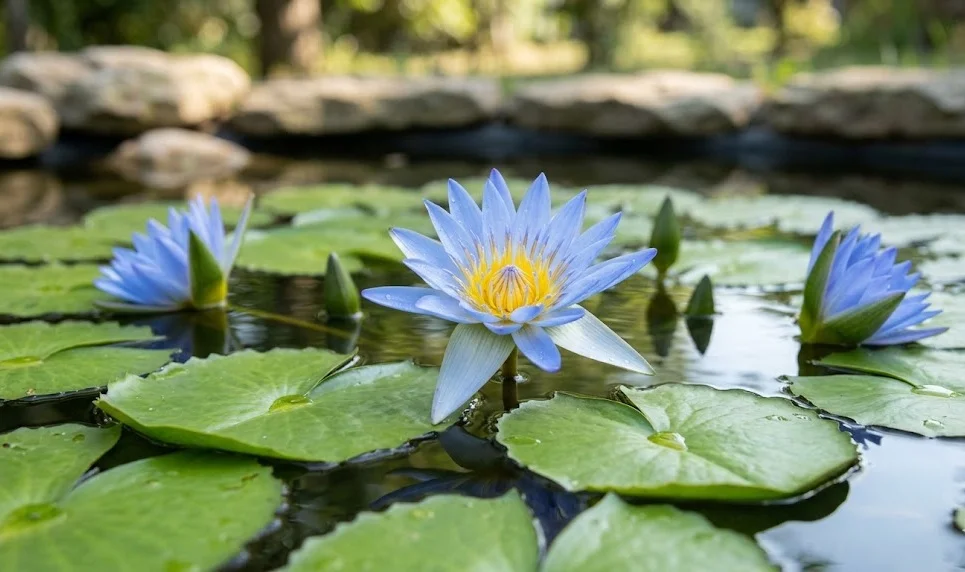

Protecting the blue water lily from diseases and pests is a critical task for maintaining the health and aesthetics of an aquatic garden. Because these plants live in a specialized environment, they are susceptible to a unique range of pathogens and hungry organisms. Identifying the early signs of trouble is essential to prevent a small problem from becoming a localized epidemic within the pond. A professional approach involves a combination of preventative care, biological controls, and careful monitoring of the plant’s physical condition throughout the season.
Common fungal and bacterial infections
Fungal infections are among the most frequent issues faced by growers of the blue water lily, especially in humid climates. One common manifestation is a powdery or fuzzy growth on the surface of the leaves, which can interfere with photosynthesis. This often occurs when there is poor air circulation or if the lily pads are overcrowded on the water’s surface. Improving the spacing between plants and removing affected foliage is usually the first step in a professional treatment plan.
Crown rot is a more serious bacterial or fungal condition that affects the rhizome itself, often proving fatal if not caught early. It usually starts as a darkening or softening of the plant’s base, which can lead to the sudden collapse of all surface leaves. This disease is frequently caused by poor water quality or anaerobic conditions in the soil substrate. If crown rot is suspected, the plant should be removed from the pond, cleaned, and treated with an appropriate aquatic fungicide before being repotted in fresh soil.
Water lily leaf spot is another prevalent disease characterized by small, circular brown or black spots that eventually merge. These spots can cause the leaf to disintegrate prematurely, leaving the plant looking ragged and unhealthy. The fungus responsible for leaf spot often overwinters in the debris at the bottom of the pond, making seasonal cleaning vital. Removing and destroying infected leaves immediately is the most effective way to slow the spread of the spores.
Preventing these infections relies heavily on maintaining a clean and well-balanced aquatic ecosystem. Ensuring that the water is properly oxygenated and that the pH remains stable helps the plant maintain its natural defenses. Avoiding the use of overhead sprinklers, which can keep the leaves unnecessarily wet at night, also reduces the risk of fungal growth. A healthy, vigorously growing blue water lily is naturally more resistant to the pathogens that thrive in stagnant or poorly managed water.
More articles on this topic
Managing aquatic insect pests
Aphids are a persistent nuisance for blue water lilies, often colonizing the stems and the undersides of the leaves. These tiny insects suck the sap from the plant, causing the foliage to curl, turn yellow, and eventually die. Because the plant is in water, many traditional insecticides are unsafe to use due to their toxicity to fish and other aquatic life. A professional and safe method for removing aphids is to gently wash them off the leaves with a stream of water, allowing the fish to eat them.
The water lily beetle is another specific pest that can cause significant damage to the ornamental value of the plant. Both the larvae and the adults feed on the upper surface of the lily pads, leaving behind unsightly trails and holes. If left unchecked, a large population of these beetles can completely skeletonize the leaves within a single season. Manual removal of the beetles and their eggs is often necessary for smaller ponds where chemical intervention is not an option.
Midge larvae, sometimes known as leaf miners, can also be a problem as they tunnel through the internal tissues of the lily pads. This feeding behavior creates distinctive winding tracks on the surface of the leaves, which can lead to secondary infections. While the damage is often purely aesthetic, a severe infestation can weaken the plant by reducing its total photosynthetic area. Encouraging natural predators like dragonflies and small fish is an excellent way to keep midge populations under control naturally.
For a professional gardener, the goal is always to find a balance that manages the pests without harming the delicate pond ecology. Biological controls, such as introducing beneficial insects or maintaining a healthy fish population, are often more effective long-term than chemical treatments. Regularly inspecting the leaves, especially during the peak of summer, allows for the early detection of these small invaders. Keeping the surrounding garden area free of weeds can also reduce the number of potential pest reservoirs.
More articles on this topic
Dealing with snails and larger grazers
Snails are often a polarizing topic in aquatic gardening, as they can be both beneficial scavengers and destructive pests. Certain species of water snails feed on the healthy tissues of the blue water lily, leaving large, irregular holes in the pads. While a few snails are manageable and help clean up algae, a population explosion can quickly lead to the destruction of the plant’s canopy. Monitoring the snail population and manually removing excess individuals is a standard part of professional pond maintenance.
If snail damage becomes excessive, it may be necessary to identify the specific type of snail inhabiting your pond. Some larger species, like the Great Pond Snail, are notorious for their appetite for ornamental aquatic plants. Providing alternative food sources, like a piece of blanched lettuce left in the pond overnight, can act as a trap to collect and remove them. This non-chemical approach is safe for the lily and ensures the water remains clean for other inhabitants.
Larger animals, such as ducks or even koi fish, can also be “pests” when it comes to the delicate blue water lily. Koi are known to dig in the soil and nibble on the tender roots or new shoots of the plant. Using a heavy layer of large stones or a protective mesh over the pot can prevent these larger grazers from causing significant damage. If ducks are a frequent visitor, providing a separate area of the pond with less sensitive plants can help distract them from your prize lilies.
Turtles are another common pond inhabitant that may find the leaves and flowers of the lily quite delicious. While they are a charming addition to a garden, their feeding habits can be devastating to a slow-growing specimen. In professional setups, physical barriers are often the only effective way to keep turtles from consuming the entire plant. Understanding the local wildlife and their interactions with your pond is key to creating a successful and protected aquatic environment.
Preventative measures and hygiene
Maintaining strict hygiene in and around the pond is the most effective way to prevent the onset of disease. This includes the regular removal of dead leaves, spent flowers, and any other organic debris that falls into the water. As this material decomposes, it provides a breeding ground for harmful bacteria and fungi that can eventually attack the living plant. A professional pond skimmer or a simple hand net should be used daily during the height of the growing season.
The tools used for pruning and maintaining the blue water lily should always be sterilized before and after use. Pathogens can easily be transferred from one plant to another through dirty shears or knives, leading to a widespread outbreak. A quick dip in a solution of rubbing alcohol or a mild bleach mixture is all that is needed to ensure your tools are safe. This simple habit is a hallmark of a professional gardener who takes the health of their collection seriously.
Proper spacing between plants is a vital preventative measure that is often overlooked by enthusiasts wanting a full look. Ensuring that air and water can circulate freely around each plant reduces the humidity and stagnation that favor disease development. If the lily pads begin to overlap significantly, it is time to thin them out to maintain a healthy and open canopy. This not only prevents disease but also allows each leaf to receive the maximum amount of sunlight.
Water quality management, as discussed in previous sections, is also a fundamental part of any disease prevention strategy. A plant that is not stressed by poor pH or low oxygen levels will have a much stronger immune response to potential infections. Regularly testing the water and performing partial water changes helps keep the environment stable and hospitable. By focusing on prevention, a gardener can spend more time enjoying the beauty of the blue water lily rather than fighting its problems.
Biological and organic treatments
When an intervention is necessary, professional aquatic gardeners prioritize biological and organic solutions over harsh chemicals. Neem oil, for example, can be used to treat certain leaf-based pests if it is applied carefully and in small amounts. It is important to ensure that any product used is specifically labeled as safe for aquatic environments and fish. Always test a small area of the plant first to ensure there is no adverse reaction to the treatment.
Bacillus thuringiensis (Bt) is a naturally occurring bacterium that can be used to target the larvae of certain pests without harming other wildlife. This biological control is particularly effective against midge larvae and other leaf-eating caterpillars that might find their way to the pond. Because it is highly specific, it does not disrupt the overall balance of the pond’s ecosystem. Using these targeted, natural tools is the most professional way to handle a pest outbreak in a sensitive aquatic setting.
Introducing natural predators, such as ladybugs for aphids or certain types of predatory fish for larvae, is a long-term management strategy. This creates a self-sustaining system where the pest populations are kept in check without constant human intervention. A professional pond design often includes habitats for these beneficial organisms, such as nearby rocks or specific marginal plants. This holistic approach ensures that the blue water lily remains a healthy part of a vibrant and living garden.
Finally, if a plant is severely diseased and does not respond to organic treatments, the most professional decision may be to remove it entirely. This prevents the infection from spreading to other healthy plants and protects the overall integrity of the pond. While it can be difficult to discard a prized specimen, it is sometimes necessary to save the rest of the collection. Starting over with a healthy plant and better preventative measures is often the best path to long-term success.