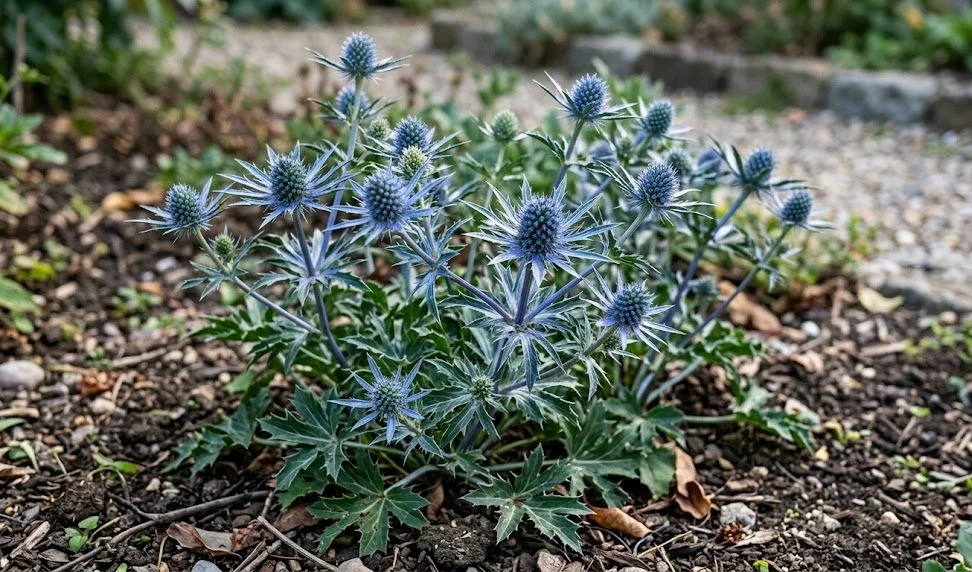

The blue eryngo is a remarkably hardy perennial that is well-adapted to surviving the cold winter months in many temperate regions. However, successful overwintering involves more than just surviving the frost; it requires management of moisture and soil conditions during the dormant period. Because the plant’s biggest winter threat is wet soil rather than low temperatures, professional care focuses on ensuring drainage and protecting the crown. Understanding the plant’s dormancy cycle is essential for maintaining its health and ensuring a vigorous return in the spring.
As autumn progresses and temperatures begin to drop, the blue eryngo naturally starts its transition into dormancy. The vibrant blue color of the bracts will fade to a silvery brown, and the basal leaves may begin to yellow or dry out. This is a normal biological process where the plant pulls nutrients from the foliage back into the root system for storage. A professional approach involves letting this process happen naturally without forcing the plant into dormancy through premature cutting.
The structural beauty of the dried flower heads can be left intact throughout the winter to provide interest in the dormant landscape. These skeletal remains also serve a practical purpose by helping to trap a insulating layer of snow around the base of the plant. If the winter is particularly harsh or windy, the standing stems can provide a small amount of protection for the central crown. However, if the stems become damaged or unsightly, they can be removed once the plant is fully dormant.
The most critical factor for winter survival is the site’s drainage capability, as the taproot is highly susceptible to rotting in cold, saturated soil. If your garden has heavy soil, you may need to take extra steps in late autumn to improve the area around the plant. This might include adding a layer of gravel or grit around the crown to ensure that water moves away from the plant quickly. A professional gardener knows that a “dry” winter is far safer for this species than a “wet” one.
Protecting the crown and root system
While the blue eryngo is hardy, the crown remains the most vulnerable part of the plant during the winter months. In regions where temperatures fluctuate wildly, the repeated freezing and thawing of the soil can cause the plant to be “heaved” out of the ground. This exposes the sensitive roots to the air and can lead to desiccation or frost damage. Regularly checking the base of the plant after a significant freeze-thaw cycle is a good practice to ensure it remains firmly anchored.
More articles on this topic
Mulching is a common technique used to stabilize soil temperatures and protect the root zone of perennials. For the blue eryngo, a light mulch of inorganic material like pea gravel or crushed stone is far superior to wood chips or bark. These materials do not hold moisture against the crown, which is the primary cause of winter failure for this species. A one-inch layer of grit can provide just enough insulation while allowing the crown to remain dry and well-ventilated.
If you live in an area with extremely cold winters and very little snow cover, a loose covering of evergreen boughs can provide extra protection. This creates a micro-climate that buffers the plant against biting winds without trapping excessive moisture or heat. Avoid using heavy mats of leaves or straw, as these can become sodden and lead to fungal issues or crown rot. The goal is to provide a breathable layer of protection that mimics the natural debris found in its rocky native habitat.
During the winter, the plant requires almost no attention, but it is important to avoid walking on the soil near the dormant crown. Compacting the cold, wet soil can damage the root system and reduce the amount of oxygen available when the plant begins to wake up in the spring. A professional garden design often includes permanent paths to ensure that maintenance can be performed without disturbing the soil structure. Respecting the plant’s space during its winter rest is a key part of long-term care.
Managing moisture and avoiding rot
Winter rot is the most frequent cause of death for the blue eryngo, often occurring in late winter or early spring. This happens when the soil remains saturated for long periods, leading to the suffocation of the root tissues and the onset of decay. Signs of rot may not be visible until the spring when the plant fails to emerge or the new growth is weak and yellow. To prevent this, ensure that the plant is never positioned in a low-spot or near a downspout where water accumulates.
More articles on this topic
In areas with high winter rainfall, creating a small “mound” of soil or grit when planting can help shed excess water away from the crown. This simple preventative measure can make the difference between a thriving plant and a dead one by the time spring arrives. For established plants, you can gently rake away any organic mulch that has become compacted or overly wet during the season. Keeping the area immediately surrounding the crown clear of debris is a professional standard for overwintering.
The use of a cold frame or temporary rain shelter can be beneficial for particularly prized specimens in very wet climates. This does not need to be elaborate; a simple piece of glass or plastic held above the plant can deflect the worst of the rain while allowing for plenty of air flow. This “dry wintering” technique is often used by specialists to protect alpine and desert plants that are sensitive to winter wet. However, for most home gardens, proper site selection and soil preparation are usually sufficient.
Understanding the local micro-climates in your garden can also help you place the plant for the best winter success. A south-facing slope or a spot near a stone wall can provide extra warmth and better drainage during the coldest months. These locations often thaw out faster in the spring, giving the plant a head start on the new growing season. Professional landscape planning always takes these winter factors into account to ensure the longevity of the perennial borders.
Spring emergence and recovery
As the soil begins to warm in the spring, the blue eryngo will slowly show signs of life at the base of the plant. Small, often purplish-green leaves will begin to emerge from the center of the crown, signaling that the roots have survived the winter. This is the time to remove any remaining dead stems or winter protection that was used to cover the plant. Be careful not to damage the tender new growth as you clear away the debris from the previous year.
If the plant seems slow to start, do not be tempted to force it with heavy watering or fertilizer. The taproot needs time to reactivate and start pulling moisture and nutrients from the soil as the air temperature rises. A light application of a balanced, slow-release fertilizer can be beneficial once the new growth is several inches high. This provides the necessary support for the rapid growth phase that occurs during the late spring and early summer.
Inspecting the plant for any signs of winter damage or pests as it emerges is a professional habit that pays off. Sometimes slugs or snails will target the soft new growth as soon as it appears, requiring prompt intervention to protect the developing plant. If you notice any signs of rot at the base, carefully remove the affected tissue and try to improve the drainage in the immediate area. A healthy start in the spring is the foundation for a spectacular summer display.
The transition from winter dormancy to spring growth is a delicate time for any perennial. By following these professional overwintering strategies, you ensure that your blue eryngo remains a permanent and thriving part of your garden. The resilience of the plant, combined with your attentive care, will result in a robust specimen that continues to provide architectural beauty year after year. Patience and an understanding of the plant’s natural cycle are the hallmarks of a successful gardener.