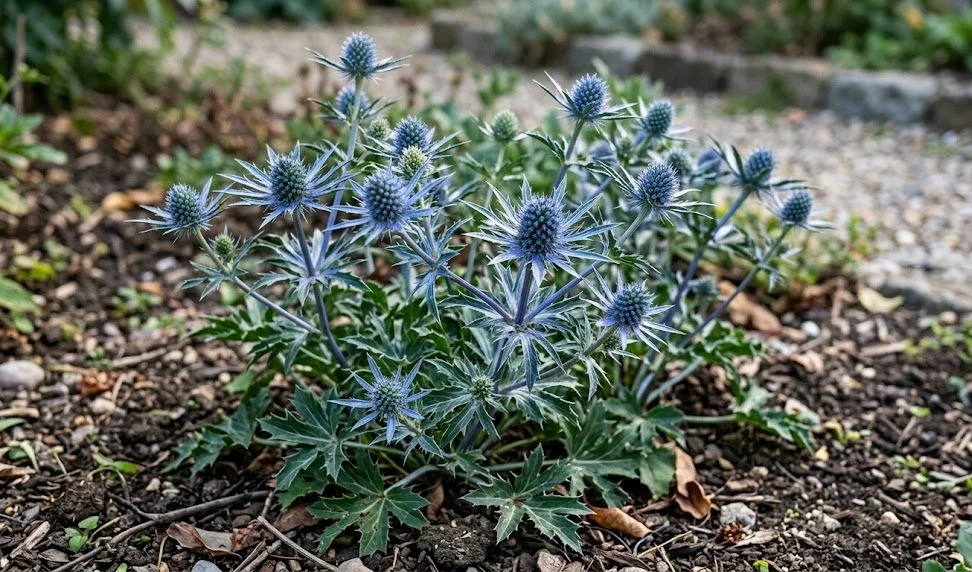

The blue eryngo is a striking perennial known for its architectural beauty and metallic blue sheen that captures the eye in any garden setting. Cultivating this plant requires an understanding of its unique structural needs and its preference for conditions that mimic its natural rocky habitats. Maintaining its health involves a balance of minimal intervention and strategic observation to ensure it thrives throughout the growing season. Successful care results in a resilient plant that provides both visual interest and a reliable source of nectar for local pollinators.
Growing this species successfully begins with acknowledging its deep taproot system which dictates much of its long-term care routine. Because the plant anchors itself deeply into the soil, it does not tolerate being moved once it has become established in a specific location. Gardeners should select a permanent spot where the plant can develop its full stature without the risk of future disturbance. This structural stability allows the plant to withstand wind and environmental pressures that might topple less robust perennials.
The soil environment is perhaps the most critical factor in the daily life of this steel-blue ornamental plant. It thrives in well-drained substrates that prevent water from accumulating around the crown, which is a common cause of decline. Sandy or gravelly soils are ideal because they provide the aeration and drainage necessary for the root system to remain healthy. If the garden soil is naturally heavy or contains high levels of clay, adding grit or organic matter can significantly improve the plant’s longevity.
General maintenance involves monitoring the foliage for any signs of stress or nutrient deficiencies that might appear during the peak of summer. While the plant is notably drought-tolerant, observing the stiffness of the stems can provide clues about its overall vigor and hydration levels. Removing spent leaves at the base of the plant helps maintain a tidy appearance and prevents the buildup of moisture-trapping debris. Professional care emphasizes the importance of keeping the area around the base clear to allow for maximum air circulation.
Understanding the soil and environmental foundations
The foundation of expert care lies in providing an environment that prioritizes drainage over high nutrient content. These plants are naturally adapted to lean soils where competition from faster-growing, nutrient-hungry species is limited. Using overly rich soil or excessive compost can actually lead to leggy growth and a loss of the characteristic blue intensity. A professional approach involves testing the soil to ensure it remains on the neutral to slightly alkaline side of the pH scale.
More articles on this topic
Creating a microclimate that reflects the plant’s evolutionary background will yield the best aesthetic and biological results. They prefer open, airy positions where they are not crowded by larger shrubs or aggressive groundcovers. Sunlight is the primary driver of the plant’s metabolic processes and the development of its distinctive bract color. When air can move freely around the prickly foliage, the risk of humidity-related issues is greatly reduced.
Maintaining the integrity of the soil structure over several years is a key component of long-term perennial management. Avoid compacting the earth around the plant by stepping too close to the root zone during routine weeding sessions. If the soil becomes too dense, the taproot may struggle to penetrate deeper layers, limiting the plant’s access to subsoil moisture. Mulching with inorganic materials like pea gravel can help keep the crown dry while preventing weed competition.
Monitoring the local climate patterns helps in adjusting care routines to meet the plant’s shifting needs throughout the year. During periods of extreme heat, the plant may enter a semi-dormant state to conserve energy and moisture. Understanding these natural cycles allows the gardener to avoid unnecessary interventions that might stress the plant further. Observing how the blue eryngo responds to local weather variations is the hallmark of a truly attentive and professional horticulturist.
Aesthetic management and seasonal transitions
The visual appeal of the blue eryngo is centered on its unique bracts and thistle-like flower heads that emerge in mid-summer. As the season progresses, these structures transition from a pale green to a deep, luminescent blue. Professionals often leave the flower heads intact even after the color fades to provide winter interest and texture. This practice not only benefits the garden’s visual design but also supports local wildlife during the colder months.
More articles on this topic
Managing the transition between late summer and autumn requires a shift in how the plant is handled. While some choose to cut the stems back early, leaving them provides a structural element that catches frost and light. If the plant becomes top-heavy, a discreet support system can be used to keep the stems upright without detracting from their natural form. This careful management ensures the plant remains an asset to the landscape even as the growing season concludes.
The foliage at the base of the plant often remains semi-evergreen in milder climates, requiring minimal attention during the fall. Any yellowing or damaged leaves should be removed with sharp, clean shears to prevent the spread of opportunistic pathogens. This thinning process allows the plant to focus its remaining energy on root development before the ground freezes. A clean base also makes it easier to inspect the crown for any signs of rot or pest activity.
Preparing for the end of the reproductive cycle involves deciding whether to allow the plant to self-seed. If a gardener wishes to expand their collection naturally, leaving several flower heads to mature will release seeds into the surrounding soil. However, for a more controlled garden design, removing the heads before the seeds drop is the preferred professional method. This decision impacts the long-term density of the planting area and the overall maintenance load.
Structural integrity and physical support
The tall, branching stems of the blue eryngo are generally strong, but they can occasionally require assistance in exposed locations. In areas prone to high winds or heavy rain, the architectural stems might lean or split if not properly supported. Using natural materials like hazel or birch twigs can create a support frame that blends seamlessly with the plant’s aesthetic. This proactive approach prevents damage to the main stems and preserves the upright silhouette of the plant.
Regularly checking the stability of the plant throughout the growing season ensures that any issues are caught early. If a stem begins to tilt significantly, it is often a sign of uneven light exposure or soil that is too soft. Gently firming the soil around the base can sometimes resolve minor leaning issues without the need for external stakes. Professionals understand that the goal of support is to enhance the plant’s natural strength, not to replace it.
The density of the plant’s growth can also affect its structural health over time. If the basal rosette becomes too crowded, air circulation is restricted, which can weaken the stems from the bottom up. Thinning out some of the internal growth can help the plant maintain its vigor and focus its energy on the main flowering stalks. This practice is particularly important in regions with high humidity where air movement is vital for plant health.
Handling these plants requires care due to their spiny leaves and bracts, making the use of protective gloves essential. When performing structural checks or maintenance, it is important to avoid damaging the central growing point. Any physical injury to the crown can invite infection or slow down the plant’s development for the following season. A gentle, methodical approach to physical maintenance reflects a professional standard of horticultural practice.
Long term health and longevity strategies
Ensuring the blue eryngo remains a part of the garden for many years involves a holistic view of its lifecycle. Unlike some perennials that require frequent division to stay healthy, this species prefers to be left alone for long periods. Its longevity is directly tied to the health of its taproot and the stability of its growing environment. By minimizing root disturbance, the gardener allows the plant to build a deep and resilient foundation.
The health of the plant is also influenced by the surrounding plant community and potential competition for resources. Planting it near species with similar cultural requirements ensures that the blue eryngo is not overwhelmed by more aggressive neighbors. It works well with other drought-tolerant perennials that share its love for sun and well-drained soil. This ecological balance reduces the need for chemical interventions and promotes a self-sustaining garden environment.
Observation is the most powerful tool in the professional gardener’s arsenal for maintaining long-term health. Subtle changes in leaf color or the timing of flowering can indicate shifts in soil health or environmental stress. Keeping a record of these observations allows for more precise adjustments to the care routine over several seasons. This data-driven approach helps in predicting future needs and preventing potential problems before they arise.
The blue eryngo is a plant that rewards patience and a “less is more” philosophy when it comes to maintenance. Over-watering, over-fertilizing, and frequent moving are the most common reasons for the failure of this species. By adhering to a professional care plan that respects the plant’s natural adaptations, the gardener ensures a spectacular display every year. Consistent, high-quality care creates a garden feature that is both beautiful and biologically robust.
Pollinator support and ecological value
One of the most rewarding aspects of caring for this plant is observing its interaction with the local ecosystem. The flowers are highly attractive to bees, butterflies, and other beneficial insects due to their high nectar content. A healthy, well-cared-for blue eryngo acts as a vital hub for biodiversity in the urban or rural garden. Professionals often prioritize the health of these plants to boost the overall ecological value of their landscapes.
The timing of flowering is perfectly aligned with the peak activity of many pollinator species during the summer months. By ensuring the plant has the light and drainage it needs, the gardener maximizes the volume and quality of nectar produced. Avoiding systemic pesticides is crucial in maintaining this ecological function and protecting the visiting insects. Organic care methods are generally preferred to ensure the garden remains a safe haven for wildlife.
Beyond its role as a nectar source, the plant provides physical habitat for smaller insects and spiders within its spiny bracts. These micro-habitats contribute to the complex web of life that exists within a professional-grade garden. Even after the flowers have faded, the structure of the plant continues to offer shelter and food for birds. This multi-seasonal ecological contribution is a key reason for the plant’s popularity in modern landscape design.
Educating others about the ecological benefits of the blue eryngo can increase appreciation for its unique form. While some may see it as a prickly weed, its role in supporting declining pollinator populations is undeniable. Integrating this plant into a diverse horticultural plan demonstrates a commitment to sustainable and responsible gardening. The professional gardener views the plant not just as an ornament, but as a functional part of a living system.
Troubleshooting common care issues
Even with the best intentions, challenges can arise when managing a perennial with such specific needs. One common issue is the loss of the intense blue color, which is often caused by a lack of direct sunlight. If the plant is shaded by growing neighbors, it may need to have the surrounding vegetation pruned back to restore its vibrancy. Understanding the relationship between light and pigment is essential for maintaining the plant’s visual impact.
Yellowing leaves at the base can sometimes indicate a problem with drainage or an excess of nitrogen in the soil. If the soil remains damp for too long, the roots may begin to suffocate, leading to a decline in overall health. Investigating the soil moisture levels at a depth of several inches can provide clarity on the situation. Adjusting the irrigation schedule or improving the soil structure are the primary solutions for this common problem.
If the plant fails to flower, it may be due to its age or a recent disturbance to its root system. Young plants often take a year or two to settle in before they produce their first significant flush of blue heads. Patience is required, as forcing growth with fertilizers will only lead to weak stems and poor health. Ensuring the plant is not competing too heavily with weeds for resources will also encourage better flowering performance.
Finally, physical damage from pests or accidental impact can sometimes affect the plant’s appearance. While the blue eryngo is generally resistant to most common garden problems, it is not entirely immune. Promptly addressing any visible issues with professional techniques will prevent minor problems from becoming major setbacks. A proactive and informed care routine is the best defense against the various challenges of perennial gardening.