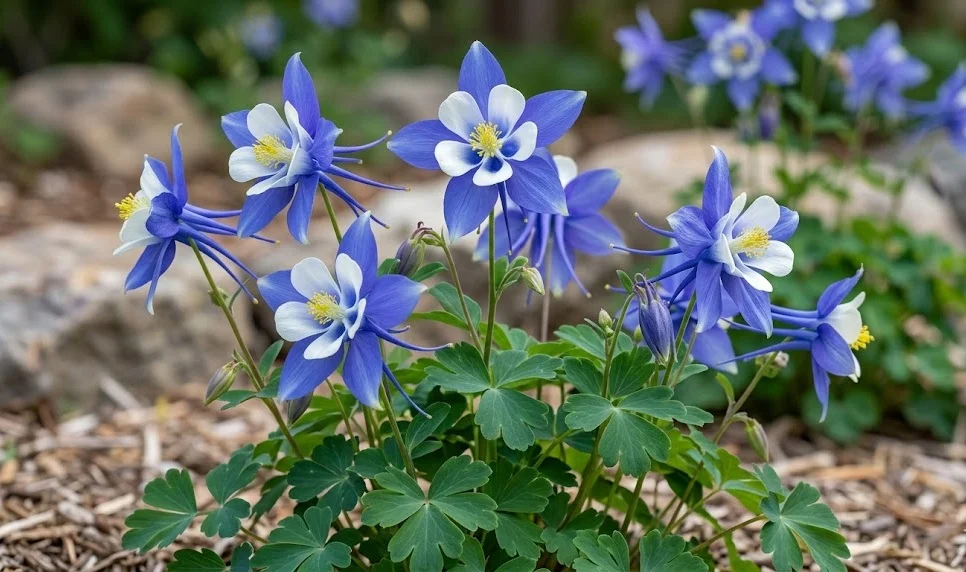

Understanding the fundamental needs of this delicate perennial is the first step toward a successful garden display. These plants are prized for their unique spurred flowers and elegant foliage that adds a soft texture to any landscape. While they are resilient in many environments, they require consistent attention to maintain their peak health and beauty. Establishing a routine for monitoring their growth will ensure that they remain a centerpiece of your garden for years to come.
General maintenance for healthy growth
Maintaining the vigor of these plants requires a balanced approach to gardening that respects their natural lifecycle. You should regularly inspect the foliage for any signs of wilting or discoloration that might suggest environmental stress. Removing spent leaves throughout the season helps the plant direct its energy toward root development and future blooms. Keeping the area around the base clear of weeds will also reduce competition for essential soil resources.
Soil health is a major factor in the long-term success of these beautiful flowers in a domestic setting. You need to ensure that the earth remains loose and friable to allow the root system to expand without resistance. Adding a light layer of compost once a year can replenish the organic matter that supports a healthy microbial environment. Proper drainage is equally important, as these plants do not tolerate standing water well over extended periods.
Temperature management is a key part of caring for this specific variety, especially during the peak of summer. They are native to higher altitudes where the air remains relatively cool even during the warmest months of the year. If you live in a warmer region, providing a location with afternoon shade can prevent the plant from becoming heat-stressed. A thick layer of organic mulch around the base will help stabilize the soil temperature and protect the roots.
Observation is the most powerful tool in your gardening kit when it comes to managing perennials effectively. You should take note of how the plant responds to different weather patterns and adjust your care routine accordingly. Early detection of stress allows you to intervene before the plant’s overall health is significantly compromised. Successful gardeners often find that spending a few minutes each day in the garden provides the best insights into plant health.
More articles on this topic
Promoting a long blooming season
Deadheading is a critical technique that every gardener should master to extend the flowering period of their plants. By removing the faded blossoms before they have a chance to set seed, you encourage the plant to produce more flowers. This process redirects the plant’s biological energy away from reproduction and back into vegetative growth and blooming. It is a simple task that can make a dramatic difference in the visual impact of your garden beds.
The timing of your maintenance tasks can influence how many flowers the plant produces throughout the spring and summer. Start your inspections early in the season as the first buds begin to form to ensure nothing is hindering their progress. If the weather is particularly dry, providing extra support through consistent hydration will help keep the flowers looking fresh. Healthy plants are much more likely to produce a second flush of blooms if the conditions remain favorable.
Supporting the tall flower stalks may be necessary in areas that experience frequent wind or heavy rain. You can use discreet stakes or surrounding plants to provide a natural scaffold that keeps the blooms upright. This prevents the stems from snapping or bending under the weight of the water after a summer storm. Keeping the flowers elevated also ensures they remain visible and can be easily accessed by visiting pollinators.
Nutrient availability during the budding phase is essential for the development of large and colorful floral displays. You should avoid over-fertilizing with high-nitrogen products, as this can lead to excessive leaf growth at the expense of flowers. A balanced approach that provides phosphorus will support the physiological processes involved in creating new buds. Monitoring the overall appearance of the plant will tell you if it has enough energy to sustain its blooming cycle.
More articles on this topic
Managing the plant lifecycle
Understanding the relatively short lifespan of individual plants is important for managing your garden’s long-term design. These perennials typically live for three to five years before their vigor begins to decline naturally. To maintain a constant presence in your garden, you should allow some plants to self-seed at the end of the season. this natural process ensures that new seedlings will emerge to replace the older, less productive specimens.
Soil preparation for future generations is an ongoing task that benefits the entire garden ecosystem. You can improve the success rate of self-sown seedlings by keeping the soil surface lightly disturbed and free of heavy mulch. This allows the small seeds to make direct contact with the earth, which is necessary for successful germination. Providing a hospitable environment for the next generation is a sustainable way to keep your garden thriving.
Identifying the difference between young seedlings and common garden weeds is a skill that develops with experience. The distinct lobed leaves of the young plants are usually recognizable once they have grown a few centimeters tall. You should avoid hoeing too aggressively in areas where you want the new plants to take root and grow. Protecting these volunteers during their first year of life is the easiest way to expand your collection.
Late-season care involves preparing the plant for its dormant phase after the final flowers have faded. You should gradually reduce the intensity of your maintenance as the plant begins to shift its energy downward. Removing the old flower stalks while leaving the basal foliage intact provides a bit of protection for the crown. This transition period is vital for the plant to store the carbohydrates it will need to survive the winter.
Environmental adaptations and stress
Living in a changing climate means that your plants may encounter conditions that differ from their natural mountain habitat. You must be prepared to offer extra protection during periods of extreme weather, such as heatwaves or unexpected droughts. Providing temporary shade structures can be a lifesaver for these plants when the sun is particularly intense. Constant vigilance during the height of summer will help you identify when the plant is struggling to cope.
Humidity levels can also affect the health of the foliage and the overall appearance of the plant. In very dry climates, the leaves may become brittle and lose their characteristic blue-green hue over time. You can increase the local humidity by grouping plants together or using irrigation techniques that keep the air moist. Conversely, in very humid areas, ensuring good air circulation is the best way to prevent the development of mold or mildew.
Wind exposure is a factor that is often overlooked in garden planning but can have a significant impact on growth. Strong gusts can dry out the foliage rapidly and may physically damage the delicate stems and flowers. Planting your columbines in a sheltered location or behind a low hedge can provide the necessary protection from the elements. A stable environment allows the plant to focus its energy on growth rather than repairing physical damage.
Soil compaction is a common issue in established gardens that can limit the plant’s ability to thrive. Over time, the earth can become packed down, making it difficult for water and oxygen to reach the roots. You can prevent this by avoiding walking on the garden beds and by adding organic matter to improve the structure. Aerating the soil gently with a hand tool can also help maintain the porosity needed for healthy root respiration.
Seasonal transitions and timing
Spring is the time of renewal when the first purple-tinted leaves begin to emerge from the cold ground. You should clear away any lingering winter debris to allow the new growth to reach the sunlight without obstruction. This is also the ideal time to apply a light layer of organic compost to provide a slow-release source of nutrients. Watching the daily progress of the emerging shoots is one of the most rewarding parts of the gardening year.
Summer maintenance focuses on preservation and ensuring the plant has enough resources to survive the heat. You will find that regular watering becomes the most important task during the long, hot days of July and August. Monitoring the soil moisture daily will help you catch any signs of dryness before the plant begins to wilt. Providing a consistent environment during this challenging season is the key to preventing premature dormancy.
Autumn signals a shift in the plant’s biology as it begins to prepare for the coming cold months. You should allow the foliage to turn yellow and eventually brown, as this indicates that nutrients are being moved to the roots. Cutting back the dead material once it has completely withered helps maintain a tidy garden and removes potential hiding spots for pests. This seasonal cleanup is an essential part of maintaining a healthy and organized landscape.
Winter is a period of rest for both the plant and the gardener, but some minor tasks still remain. In areas with very little snow cover, a light layer of straw or evergreen boughs can provide extra insulation for the crown. You should avoid disturbing the soil during this time to prevent damaging the dormant roots or early-season buds. Taking this time to plan for the next growing season will ensure you are ready when the ground thaws.
Enhancing aesthetic appeal
The visual impact of these plants can be maximized by considering their placement relative to other garden features. Their airy habit makes them perfect for planting in the middle of a border where they can peek through other greenery. You can create a stunning color contrast by pairing them with plants that have yellow or orange blossoms. Thinking about the overall composition of your garden will help you showcase the unique beauty of these flowers.
Mass plantings are an effective way to create a sea of color that draws the eye from a distance. When planted in groups, the individual flowers blend together to create a soft, ethereal effect in the garden. This approach also makes maintenance easier, as you can treat the entire patch with the same watering and feeding schedule. A large drift of blue flowers against a green backdrop is one of the most classic looks in temperate gardening.
Container gardening offers a way to bring these beautiful blooms closer to your living spaces or onto a patio. You must choose a pot that is deep enough to accommodate the long taproot that these plants naturally develop. Ensure that the container has excellent drainage holes to prevent the soil from becoming saturated after a rainstorm. Potted plants require more frequent watering and a more regular feeding schedule than those in the ground.
Foliage contrast is an often overlooked aspect of using these plants in a professional landscape design. The delicate, divided leaves provide a wonderful counterpoint to plants with large, bold foliage like hostas. Even when the plant is not in bloom, its leaves contribute to the overall texture and interest of the garden bed. Utilizing the plant’s full structural potential will result in a more sophisticated and layered garden appearance.
Long-term garden health
Building a resilient garden involves more than just caring for individual plants; it requires a holistic approach. You should strive to create a diverse ecosystem that supports a wide range of beneficial insects and soil organisms. By avoiding harsh chemicals, you encourage the natural balance that keeps pests and diseases under control. A healthy garden is much better equipped to handle environmental fluctuations and unexpected challenges.
Record-keeping is a valuable habit for any professional gardener who wants to improve their results over time. You can track bloom times, weather patterns, and the effectiveness of different maintenance techniques in a dedicated notebook. Comparing your observations from year to year will help you identify long-term trends in your garden’s development. This data-driven approach allows you to make more informed decisions about future plantings and care.
Sharing your passion and knowledge with other gardeners can be a great way to learn new techniques and discover different varieties. You might consider joining a local gardening club or participating in online forums dedicated to perennial plants. Exchanging seeds and experiences with others helps build a community of enthusiasts who support each other’s efforts. The collective wisdom of a gardening community is an invaluable resource for both beginners and experts.
Sustainability should be a guiding principle in all your gardening activities and maintenance routines. You can reduce your environmental impact by using locally sourced compost and practicing water-wise irrigation techniques. Encouraging natural processes like self-seeding and organic decomposition creates a garden that is both beautiful and eco-friendly. A sustainable garden is a legacy that you can enjoy today and preserve for future generations of nature lovers.