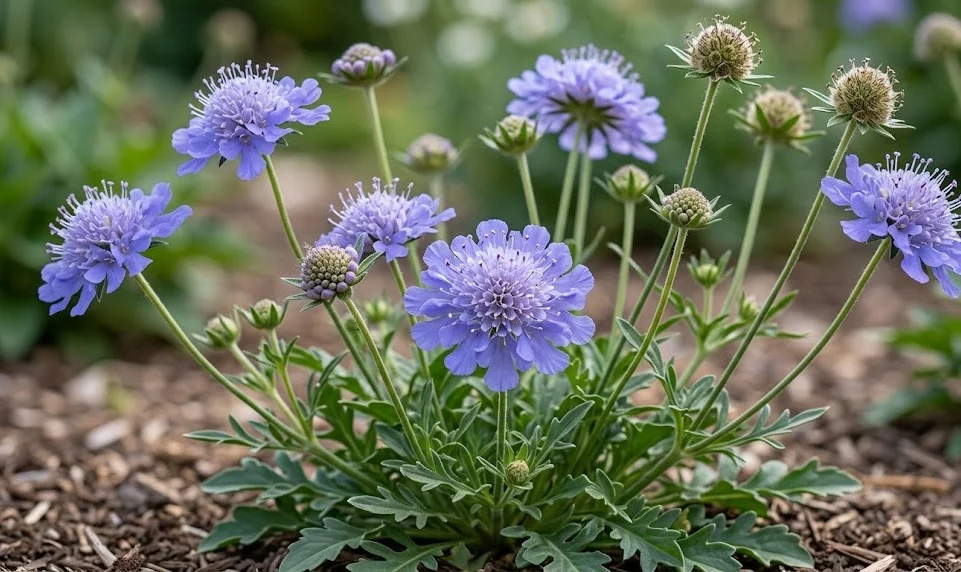

As the days grow shorter and the temperatures begin to drop, your Caucasian pincushion flower will naturally begin its transition into winter dormancy. You should start by reducing your watering schedule in the late autumn to signal to the plant that the growing season is coming to an end. This helps the plant focus its energy on its root system and prevents the development of soft, new growth that would be killed by the frost. Proper preparation during this phase is essential for ensuring that the perennial survives the harsh winter months.
Once the first hard frost has blackened the foliage, you should cut the spent flower stalks and old leaves back to the base. This cleanup process removes potential hiding spots for pests and prevents fungal spores from overwintering in the dead material. Leave a small amount of the basal rosette if it still looks green and healthy, as this can provide some natural protection for the crown. A tidy plant is much easier to manage during the winter and will be ready for a quick start when spring arrives.
Checking the soil around the base of the plant is another important step before the ground freezes solid for the winter. You should ensure that the crown of the plant hasn’t become exposed through erosion or the settling of the soil during the summer. If you can see the top of the root system, carefully add a small amount of soil or compost to cover it back up. Protecting the crown from direct exposure to freezing air and icy winds is a primary goal of any overwintering strategy.
Finally, take a moment to assess the general health of your plants and decide if any need extra protection based on their age or variety. Young plants that were only put in the ground during the current season are much more vulnerable than established specimens with deep roots. You might want to mark the location of your plants with a small stake so you don’t accidentally dig them up or step on them in the spring. Being organized and proactive now will save you a lot of worry during the coldest parts of the year.
Mulching and crown protection techniques
Mulching is the most effective way to provide a thermal blanket for the roots of your Caucasian pincushion flower during the winter. You should apply a three-inch layer of organic material, such as shredded bark, straw, or evergreen boughs, over the planting area. This insulation helps prevent the “freeze-thaw” cycle, which can cause the soil to heave and push the plant out of the ground. Stable soil temperatures are much better for the long-term survival of the delicate root tissues of these perennials.
More articles on this topic
When applying mulch, it is crucial to keep the material from directly touching the crown of the plant itself. Piling mulch against the stems can trap moisture and cause the crown to rot, which is a common cause of plant loss in the winter. Instead, create a ring of mulch around the plant, leaving a small gap of a few inches in the very center for air to circulate. This professional technique provides the benefits of insulation without the risks associated with excessive moisture trap.
In areas with particularly severe winters, you might consider using a more substantial cover like a frost blanket or a specialized garden cloche. These tools provide an extra layer of protection against freezing winds and heavy snow loads that could crush the plant. Be sure to secure any covers firmly so they don’t blow away during winter storms and leave your plants exposed. These extra measures are often worth the effort for rare or particularly cherished varieties in your collection.
If your garden is prone to heavy, wet snow, you should periodically check your plants and gently brush off any excessive accumulation. While snow itself can act as a natural insulator, the weight of a heavy, icy crust can damage the structure of the dormant plant. Maintaining a watchful eye on your garden even during the winter months is a hallmark of a dedicated and professional agriculturalist. Your plants are sleeping, but they still benefit from your occasional attention and care.
Managing winter moisture and drainage
Winter drainage is perhaps the most critical factor in the survival of the Caucasian pincushion flower during the dormant season. These plants are very hardy to cold, but they will quickly perish if they are forced to sit in cold, saturated soil for months on end. You must ensure that the area where they are planted does not collect standing water from melting snow or heavy winter rains. If you notice puddles forming, you might need to create small drainage channels to lead the water away from the root zone.
More articles on this topic
In containers, the risk of waterlogging is even higher, as the drainage holes can sometimes freeze shut or become blocked with debris. If you are overwintering your flowers in pots, move them to a sheltered spot where they won’t be hit by every winter storm. Elevating the pots on “pot feet” or bricks can help ensure that water can always escape from the bottom, even in icy conditions. This simple adjustment can be the difference between a thriving plant and a pot full of rotten roots in the spring.
During dry winters with very little snowfall, you might actually need to provide a small amount of water to prevent the roots from completely dehydrating. This should only be done on days when the temperature is above freezing and the soil is not currently frozen solid. The goal is not to soak the ground, but just to maintain a minimal level of moisture that prevents the root tissues from shriveling. Most gardeners in temperate climates won’t need to do this, but it is a vital professional tip for those in arid regions.
As the winter progresses, the organic mulch you applied in the autumn may begin to break down or be moved by the wind. You should periodically check the thickness of the mulch layer and replenish it if necessary to maintain consistent protection. Keeping the soil moisture and temperature stable is a dynamic process that requires occasional adjustments based on the actual weather conditions. A professional gardener stays responsive to the environment, even when the garden seems to be at a standstill.
Navigating the spring awakening
The transition from late winter to early spring is a delicate time for the Caucasian pincushion flower as it begins to wake up. You should start to gradually remove the winter mulch as the soil begins to warm up and the danger of deep freezes has passed. Do not remove all the protection at once, as a late-season frost can easily damage the tender new shoots that are just starting to emerge. Slow and steady exposure to the changing conditions is the safest way to bring your plants back into active growth.
Once you see the first signs of green growth, you can provide a light application of a balanced, slow-release fertilizer to support the new development. This gives the plant the nutrients it needs to build strong stems and healthy foliage for the upcoming flowering season. You should also take this time to clear away any remaining dead leaves or debris that accumulated over the winter months. A clean start in the spring helps prevent the early development of pests and diseases that might be lurking in the garden.
If you notice that a plant has been “heaved” out of the ground by the frost, you must carefully press it back into the soil and firm it down. You might need to add a bit of fresh soil around the base to ensure the roots are fully covered and protected from the drying spring winds. This quick intervention can save a plant that might otherwise dry out and die before it has a chance to fully recover. It is one of the most important tasks for a gardener during the early spring inspection of the perennial beds.
Finally, be patient and give your plants time to fully emerge before deciding if any didn’t survive the winter. Some varieties of the Caucasian pincushion flower are slower to wake up than others, especially if they were planted in a cooler part of the garden. Once the weather has consistently warmed up, you will be able to see the full results of your overwintering efforts. With proper care and protection, these stunning perennials will return year after year to grace your garden with their unique beauty.