
Maintaining the correct moisture balance is perhaps the most critical aspect of keeping this perennial healthy throughout the year. You should aim for soil that is consistently moist but never allowed to become waterlogged or swampy. The large surface area of the leaves means that the plant loses water quickly through transpiration on warm days. Establishing a reliable watering routine will prevent the foliage from wilting and losing its ornamental value.
In the early morning, the air is cool and the evaporation rates are at their lowest point of the day. You should try to do most of your watering during this time to allow the plant to hydrate before the sun gets high. Watering early also allows the leaves to dry off before nightfall, which reduces the risk of fungal infections. If you must water in the evening, try to apply the water directly to the soil at the base.
Drip irrigation systems or soaker hoses are excellent tools for managing the water needs of large plantings. These methods deliver moisture slowly and directly to the root zone where it is needed the most. You will find that this approach is much more efficient than overhead sprinkling, which can waste water and promote leaf spot. Adjusting the timer on your system based on the current weather conditions is a mark of a professional gardener.
During periods of extended drought, you may need to supplement your regular watering schedule with deep soakings. You should check the soil moisture levels by inserting your finger a few centimeters into the ground near the plant. If the soil feels dry at that depth, it is time to provide a generous amount of supplemental water. Remember that plants growing in containers will dry out much faster than those planted directly in the garden soil.
Soil moisture management strategies
The type of soil you have in your garden will dictate how often you need to apply water to your plants. Sandy soils drain very quickly and will require more frequent applications of moisture to keep the plants happy. Clay soils hold water for much longer but can become compacted and prevent oxygen from reaching the delicate roots. Improving your soil structure with plenty of organic matter will help any soil type manage moisture more effectively.
More articles on this topic
Applying a thick layer of mulch is one of the best ways to conserve soil moisture and reduce your watering workload. You should use organic materials like shredded bark, composted leaves, or even straw around the base of the plants. This layer acts as an insulator, keeping the soil cool and preventing the sun from baking the surface dry. Make sure to replenish the mulch every year as it decomposes and integrates into the underlying soil.
You should pay close attention to the behavior of the plant as a guide for your watering decisions in the garden. If you see the leaves starting to lose their shine or droop slightly, it is a clear signal of thirst. However, be careful not to overcompensate by drowning the plant in an attempt to fix the problem quickly. Consistent, moderate watering is always better for the plant than alternating between extreme dryness and extreme wetness.
Rainwater is the ideal source of hydration for most garden plants because it is naturally soft and free of chemicals. You might consider installing a rain barrel to collect water from your roof for use during the drier summer months. If you use tap water, letting it sit in a bucket for a few hours can help some of the chlorine dissipate. Your plants will respond positively to the more natural quality of collected rainwater over time.
Essential nutrient requirements
Providing the right nutrients at the right time will ensure that your plants remain vigorous and produce beautiful flowers. You should focus on a balanced approach that supports both the foliage and the underlying root system of the plant. A general-purpose fertilizer with an equal ratio of nitrogen, phosphorus, and potassium is usually sufficient for most garden situations. Avoiding high-nitrogen fertilizers in late summer is important to prevent soft growth that can be damaged by frost.
More articles on this topic
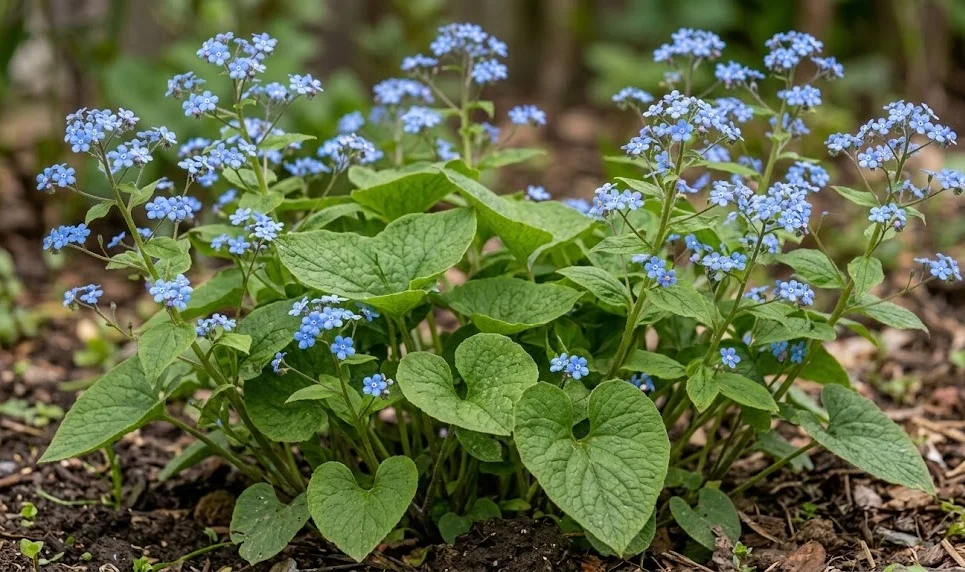
The first application of fertilizer should happen in the early spring as the new growth starts to emerge. You can use a granular slow-release product that will provide a steady supply of nutrients over several months. Gently scratching the granules into the soil surface and watering them in will help the nutrients reach the roots. This early boost gives the plant the energy it needs to produce its signature blue flowers and large leaves.
Some gardeners prefer to use liquid fertilizers for a more immediate effect during the peak growing season. You can apply a diluted liquid feed every two to four weeks if the plant seems to be struggling or underperforming. This method is particularly useful for plants growing in containers where nutrients can be leached out by frequent watering. Always make sure the soil is already moist before applying any liquid fertilizer to avoid burning the roots.
Organic fertilizers are a great choice for those who want to build long-term soil health while feeding their plants. You can use products like fish emulsion, seaweed extract, or well-composted manure to provide a wide range of micronutrients. These materials break down slowly and encourage beneficial microbial activity in the soil around your perennials. Over time, this natural approach leads to a more resilient and self-sustaining garden ecosystem.
Organic vs mineral fertilizers
Choosing between organic and mineral fertilizers is a decision that depends on your personal gardening philosophy and specific goals. Mineral fertilizers are highly concentrated and provide a quick nutrient hit that can be very effective in the short term. They are easy to apply and allow for precise control over the exact amounts of nutrients you are giving. However, they do not improve the soil structure and can sometimes lead to salt buildup if overused.
Organic fertilizers work in harmony with the soil biology to provide a more holistic form of plant nutrition. You will find that these materials improve the water-holding capacity and aeration of the soil as they decompose. While they may act more slowly than mineral options, the long-term benefits for the garden are often much greater. Many professional gardeners prefer a combination of both types to get the best possible results for their plants.
Compost is often referred to as “black gold” because of its incredible ability to nourish both plants and soil. You should aim to add a layer of fresh compost to your garden beds at least once a year in the spring. This practice provides a wide spectrum of nutrients and beneficial organisms that help the plants thrive naturally. If you have your own compost pile, you have a free and sustainable source of top-quality fertilizer.
Foliar feeding is another technique where you spray a diluted nutrient solution directly onto the leaves of the plant. You should only do this in the early morning or late evening when the sun is not strong enough to cause leaf burn. This method can provide a quick green-up for plants that are showing signs of nutrient deficiencies like yellowing. However, it should never be the primary way you feed your plants, as the roots are designed for nutrient uptake.
Signs of hydration and nutrition issues
Learning to read the signs of stress in your plants is a skill that comes with observation and experience. You should look for leaves that are turning yellow while the veins remain green, which often indicates an iron deficiency. If the entire leaf turns a pale green or yellow, the plant might be lacking nitrogen and needs a balanced feed. Stunted growth and poor flowering are also common indicators that the plant is not getting enough nutrition.
Over-watering can sometimes look very similar to under-watering because both lead to root stress and wilting. You should check the moisture level of the soil before reaching for the watering can to see which problem you are facing. If the soil is soaking wet and the plant is wilting, it is a sign of root rot and you must stop watering immediately. Improving the drainage or moving the plant to a drier spot may be necessary to save it.
Salt burn from over-fertilizing usually appears as brown, crispy edges on the leaves of the Caucasian forget-me-not. If you suspect you have applied too much fertilizer, you can try to flush the soil with a large amount of plain water. This process helps to wash away the excess salts and prevent further damage to the sensitive root system. In the future, always use the lowest recommended dose to stay on the safe side.
Consistent monitoring of your plants will allow you to catch these issues before they become serious threats to the plant’s health. You should make it a habit to walk through your garden regularly and look closely at the foliage and soil. Addressing a small problem early is always easier than trying to revive a severely stressed or dying perennial. With the right balance of water and nutrients, your plants will be the stars of the shaded garden.