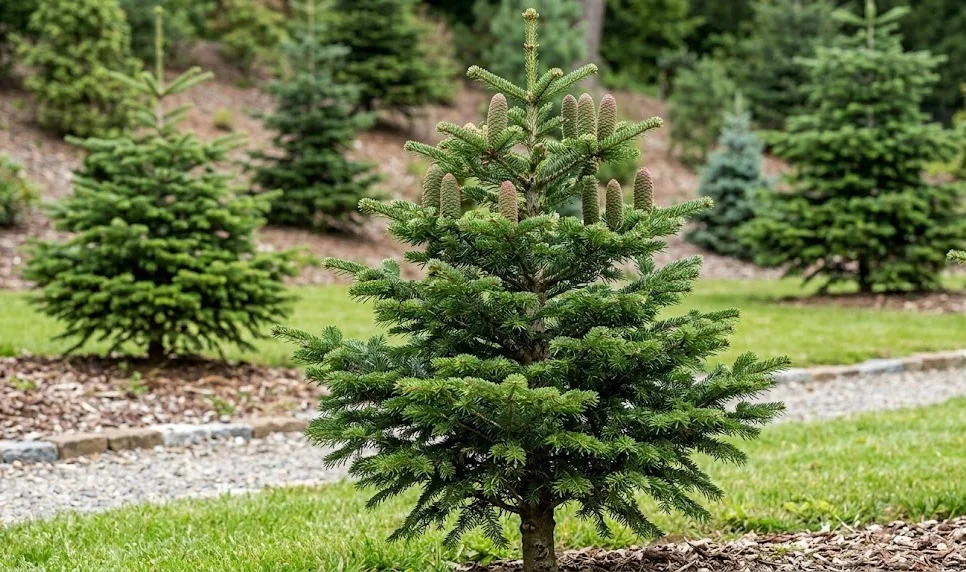

The arrival of winter presents a unique set of physiological challenges for the nordmann fir, even though it is naturally adapted to cold mountain climates. You must understand that survival in the winter is not just about withstanding low temperatures, but about managing moisture loss and physical weight. Evergreens do not go completely dormant like deciduous trees; they continue to respire and lose water through their needles throughout the cold months. Preparing your tree for this demanding season is a vital part of ensuring its long-term health and structural integrity.
Winter hardening is a natural process that begins in the late summer as the days grow shorter and the temperatures begin to drop. You should support this process by avoiding any actions that might encourage late-season growth, which is highly susceptible to frost damage. The tree must shift its internal chemistry to protect its cells from freezing, a complex biological transformation that requires a healthy and unstressed specimen. A tree that enters the winter in peak condition is far more likely to emerge in the spring without any significant damage.
One of the greatest threats during the winter is the combination of frozen soil and drying winds, which can lead to a condition known as winter desiccation. You should be aware that when the roots are locked in ice, they cannot pull up the water needed to replace what is lost from the needles. This is why many evergreens appear “burned” or brown by the time the snow melts in the early spring. Developing strategies to minimize this water loss is a top priority for professional gardeners who want to maintain the perfect look of their firs.
Physical protection from heavy snow and ice is another consideration, especially for younger trees that may not yet have the structural strength to hold the weight. You must find a balance between allowing the tree to experience the natural elements and preventing catastrophic branch failure or trunk splitting. While the nordmann fir is known for its strong branches, extreme weather events can still push it past its natural limits. A few simple precautions taken in the late autumn can prevent a winter storm from ruining years of careful growth and maintenance.
Winter hardening and preparation
The process of preparing your fir for the winter actually begins in the middle of the summer when you make your final fertilizer applications. You should stop providing high-nitrogen nutrients by late July or early August to ensure that all new growth has time to “harden off” before the first frost. Soft, succulent growth that is still active when the cold hits will almost certainly be killed, which can create entry points for disease. By encouraging the tree to slow down its growth naturally, you help it build the defenses it needs for the upcoming winter.
More articles on this topic
In the late autumn, you should provide the tree with one final, very deep watering before the ground freezes solid for the season. You must ensure that the entire root zone is saturated, providing the tree with a reservoir of moisture that it can draw upon as long as possible. This is especially important if the autumn has been dry, as a dehydrated tree is much more vulnerable to winter burn. This simple step is perhaps the single most effective thing you can do to help your fir survive a harsh, windy winter.
Checking the mulch layer around the base of the tree is another important task to complete before the snow starts to fall. You should ensure that there is a fresh, four-inch layer of organic material to act as an insulator for the root system. This mulch helps prevent the “freeze-thaw” cycle that can heave young trees out of the ground and damage their delicate feeder roots. Be sure to keep the mulch a few inches away from the trunk itself to prevent moisture from sitting against the bark during the winter.
Finally, take the time to inspect the structural integrity of the tree and its surroundings before the first big winter storm arrives. You should prune out any dead or weakened branches that might be more likely to break under the weight of heavy, wet snow. If the tree is in a particularly exposed spot, consider whether a temporary windbreak might be necessary to protect it from the most severe drying winds. Being proactive in the autumn saves you from having to perform emergency “first aid” on your trees in the middle of a blizzard.
Physical protection from snow and wind
Heavy snow can be both a blessing and a curse for evergreens, providing insulation for the roots but also posing a risk of branch breakage. You should carefully brush off heavy accumulations of snow from the branches of young or particularly valuable trees after a major storm. Use an upward motion with a broom or your hands to avoid putting even more downward pressure on the already stressed wood. If the snow has already frozen into ice, it is often better to leave it alone rather than risk breaking the brittle branches by trying to remove it.
More articles on this topic
Wind protection is vital for preventing winter desiccation, especially in areas where the ground stays frozen for long periods of time. You can create a simple windbreak using burlap stretched between stakes on the windward side of the tree, ensuring it does not actually touch the needles. This screen reduces the velocity of the wind and the rate of evaporation from the needles, giving the tree a much better chance of staying green. For very young saplings, a complete burlap wrap may be appropriate, provided there is still some air circulation at the top.
In areas prone to freezing rain and ice storms, the weight on the branches can become truly extreme and cause significant damage. You might consider tying the branches of smaller, conical firs upward with soft twine to help them shed snow and ice more effectively. This technique, often used in commercial nurseries, keeps the branches from being pulled down and permanently deformed or snapped off. Just remember to remove these ties as soon as the danger of heavy snow has passed in the early spring to allow for natural growth.
Protecting the trunk of young trees from “sunscald” is another winter task that can prevent long-term damage to the tree’s vascular system. This occurs when the winter sun warms the bark during the day, causing the cells to become active, only for them to freeze and die when the temperature drops at night. You can use light-colored tree wraps or specialized guards to reflect the sun and keep the bark at a more consistent temperature. This is especially important for trees with thin bark that are located on the south or southwest side of a property.
Managing the winter microclimate
The specific location of your tree within the landscape creates a microclimate that can either help or hinder its winter survival. You should notice how the sun and wind interact with your particular site and adjust your protection strategies accordingly. For example, a tree planted near a dark-colored building may experience more significant temperature fluctuations than one in an open field. Understanding these small-scale environmental factors allows you to provide the most effective care for each individual specimen.
Salt damage is a common winter problem for trees located near roads, driveways, or sidewalks that are treated for ice. You should be aware that salt spray from passing cars or runoff from treated surfaces can be very toxic to the needles and roots of the fir. If your tree is in a “salt zone,” you might consider installing a physical barrier like a plastic fence or burlap screen to block the spray. In the spring, you should thoroughly flush the soil with fresh water to help wash away any accumulated salts before the roots become active.
Wildlife can also pose a greater threat during the winter when their normal food sources are buried under the snow. You should check your tree guards and fencing to ensure they are still secure and high enough to keep out hungry rabbits and deer. These animals can cause significant damage by nibbling on the tender terminal buds or stripping the bark from the lower trunk. A hungry deer can ruin years of aesthetic growth in a single night if the tree is not properly protected.
Maintaining a clear area around the base of the tree even in winter can help prevent rodent damage to the bark. You should try to keep the snow from piling up too high directly against the trunk, as voles and mice often tunnel through the snow to feed on the bark. If you notice signs of chewing at the base of the tree, you may need to install a more robust, fine-mesh guard to keep these small pests away. Monitoring these small details throughout the winter ensures that there are no unpleasant surprises when the spring finally arrives.
Post-winter assessment and recovery
As the snow melts and the ground begins to thaw, it is time to perform a comprehensive assessment of how your fir weathered the winter. You should look for any signs of winter burn, broken branches, or damage from wildlife that may have occurred during the cold months. Early spring is the best time to address these issues before the tree starts its new growth and puts all its energy into the season ahead. A quick response to winter damage can prevent secondary infections and help the tree recover its beauty more rapidly.
If you find branches that have been broken by snow or wind, they should be pruned back cleanly to the branch collar as soon as the weather permits. You should avoid leaving jagged edges or stubs, as these are much slower to heal and can provide an entry point for wood-rotting fungi. For minor needle browning or winter burn, you may want to wait a few weeks to see if the tree can naturally recover as the sap begins to flow. Often, what looks like dead foliage in March will be replaced or masked by lush new growth by the end of May.
Once the ground is completely thawed, you should give the tree its first deep watering of the new season to help flush the tissues and support the emerging buds. If you used any winter wraps, burlap screens, or branch ties, these should be removed as soon as the threat of heavy snow and extreme cold has passed. Leaving these protections on for too long can lead to overheating and can interfere with the tree’s natural response to the increasing light and warmth. The goal is to transition the tree back to its active state as smoothly as possible.
Finally, take a moment to reflect on your winter protection strategies and note what worked well and what might need to be adjusted for next year. You might find that one particular spot in the garden is much harsher than you expected, requiring more robust protection in the future. Gardening is a continuous learning process, and every winter provides valuable data that can help you become a better steward of your nordmann fir. With careful attention and a bit of luck, your tree will emerge from the winter stronger and ready to reach for the sky.