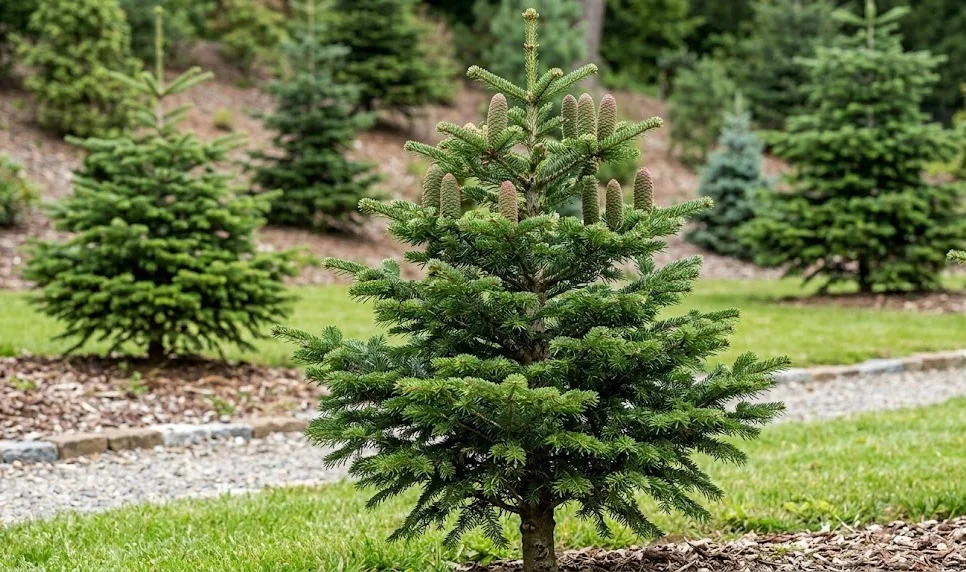

The care and maintenance of the nordmann fir require a dedicated approach that respects the natural growth cycle of this majestic conifer. You must understand that this species is valued for its soft needles and symmetrical shape, which can only be preserved through consistent attention. Providing the right environment involves more than just planting it in the ground and letting nature take its course. Expert gardeners often emphasize that the longevity of this tree depends heavily on the first few years of intensive monitoring and intervention.
Establishing a routine for checking the health of the tree is the foundation of long-term success in any garden or plantation. You should regularly inspect the needle density and color to catch any signs of stress before they become irreversible. Modern horticultural practices suggest that a proactive stance prevents the most common issues associated with slow growth or needle drop. This introductory phase of care sets the stage for a tree that will eventually become the focal point of your landscape design.
Environmental stability plays a crucial role in how well the fir adapts to its permanent location over the decades. It is important to remember that while this tree is hardy, it does best when protected from extreme fluctuations in localized conditions. Sudden changes in soil moisture or exposure to harsh winds can hinder the development of a strong central leader. By creating a microclimate that mimics its native high-altitude origins, you provide the best possible chance for optimal health.
Finally, a professional gardener knows that patience is the most important tool when dealing with such a slow-growing species. You cannot rush the maturation process of a nordmann fir without risking its structural integrity or aesthetic appeal. Every decision made today regarding soil health, wind protection, and monitoring will bear fruit many years into the future. Consistency in these early stages ensures that the tree remains a vibrant and healthy part of the ecosystem for generations to come.
General maintenance guidelines
Maintaining a nordmann fir involves a holistic view of the garden environment and the specific needs of the evergreen family. You should begin by ensuring that the area around the base of the tree is kept clear of competing weeds and aggressive grass species. These competitors can strip the soil of vital nutrients and moisture, especially during the critical spring growth period. A clear perimeter allows you to monitor the root collar and ensure that no bark rot is developing due to excessive debris.
More articles on this topic
Mulching is a highly effective technique that serves multiple purposes for the overall health of the tree throughout the year. You should apply a layer of organic material, such as pine bark or wood chips, to help regulate the soil temperature. This layer acts as an insulator, keeping the roots cool in the summer and protecting them from deep freezes in the winter months. Additionally, as the mulch decomposes, it slowly enriches the soil structure with organic matter that benefits the microbial life.
Air circulation is an often overlooked aspect of conifer care that can significantly impact the health of the inner branches. You must ensure that the tree is not crowded by other large shrubs or structures that block the natural flow of wind. Good ventilation reduces the humidity levels within the canopy, which is the primary way to prevent fungal infections from taking hold. If the tree is part of a dense planting, you may need to thin out surrounding vegetation to maintain this vital airflow.
Seasonal adjustments to your care routine are necessary to align with the tree’s dormant and active phases. During the autumn, you should focus on preparing the tree for the upcoming cold by reducing any late-season activities that might stimulate new, tender growth. In contrast, the spring months are for active monitoring of new shoots and ensuring that the tree has the energy it needs for its annual flush. By aligning your actions with the tree’s internal clock, you minimize stress and maximize vigor.
Soil management and quality
The foundation of a healthy fir is the soil in which it spends its entire life, making soil quality a top priority for experts. You should aim for a soil profile that is rich in organic content but also offers excellent drainage to prevent root issues. Heavy clay soils can be particularly challenging as they tend to hold too much water, which can lead to anaerobic conditions. Incorporating compost or well-rotted manure before planting can help break up these heavy structures and improve the overall aeration.
More articles on this topic
Maintaining the correct pH level is another technical requirement that you must monitor regularly with a reliable testing kit. This species prefers slightly acidic to neutral soil, typically within the range of five point five to seven point zero. If the soil becomes too alkaline, the tree may struggle to absorb essential micronutrients like iron, leading to yellowing needles. You can adjust the acidity by adding elemental sulfur or acidic organic matter if the test results indicate a shift toward alkalinity.
Soil compaction is a silent killer for many established conifers that are located near walkways or high-traffic areas. You should avoid driving heavy machinery or walking frequently over the root zone, as this squeezes the air pockets out of the earth. Compacted soil prevents water from penetrating deep into the ground and restricts the growth of fine feeder roots. If compaction has already occurred, careful aeration using manual tools can help restore the breathability of the root system.
Understanding the moisture-holding capacity of your specific soil type will help you tailor your care to the tree’s needs. Sandy soils drain very quickly and may require more frequent additions of organic matter to retain enough moisture for the fir. Conversely, loamy soils are often ideal because they provide a balanced mix of drainage and nutrient retention. By knowing exactly what kind of earth you are working with, you can make more informed decisions about irrigation and soil amendments.
Seasonal monitoring and protection
As the seasons change, the vulnerabilities of the nordmann fir also shift, requiring a flexible and observant approach from the gardener. You should pay close attention to the transition from winter to spring, as this is when late frosts can damage emerging buds. Protecting young trees with burlap or temporary covers during unexpected cold snaps can save an entire year of growth. Once the growth has hardened off in early summer, the tree becomes much more resilient to the elements.
Summer heatwaves present a different set of challenges that can cause significant heat stress and needle scorch if not managed. You should look for signs of drooping branches or a loss of the characteristic luster in the needles during prolonged dry spells. Providing temporary shade for very young specimens can prevent the intense midday sun from burning the delicate new foliage. Ensuring that the soil remains cool through proper mulching is your best defense against the adverse effects of high temperatures.
In the autumn, the focus shifts toward hardening the wood and preparing the internal chemistry of the tree for the dormant period. You should stop any nitrogen-heavy fertilization at this time to prevent the growth of soft tissue that cannot survive the frost. This is also the best time to check the structural integrity of the tree and ensure that it can withstand the weight of winter snow. Clearing away any fallen leaves from other trees that have collected in the branches will prevent moisture traps.
Winter protection is not just about the cold but also about preventing desiccation from freezing winter winds. You should consider installing windbreaks if the tree is located in a particularly exposed area of the garden or field. Evergreen needles continue to lose moisture even in winter, and if the ground is frozen, the roots cannot replace that lost water. A well-placed screen or a heavy layer of mulch can significantly reduce the risk of winter burn on the windward side.
Monitoring growth and development
Tracking the annual growth rate of your nordmann fir provides valuable insights into its overall health and environmental satisfaction. You should notice a strong central leader that extends vertically each year, indicating that the tree is thriving in its current spot. If the vertical growth slows down significantly or if the tree begins to develop multiple leaders, it may be a sign of underlying stress. Early detection of these growth patterns allows you to intervene with corrective measures before the tree’s shape is ruined.
The density of the needle whorls is another indicator of the tree’s vigor and its access to necessary sunlight and nutrients. You should see a lush, full appearance with very little of the internal wooden structure visible from the outside. If the branches start to look thin or if there is excessive needle drop from the inner sections, it could indicate poor light penetration. Regular monitoring helps you decide if surrounding plants need to be pruned back to give the fir more space.
Root development is harder to see but can often be gauged by the stability of the tree during high winds. You should feel confident that the tree is firmly anchored in the ground and not rocking at the base during a storm. A tree that feels loose may have suffered from root damage or may be planted in soil that is too loose and sandy. Encouraging deep root growth through proper watering techniques is essential for the long-term stability of the specimen.
Documenting these observations in a garden journal can help you identify long-term trends that might not be obvious from week to week. You can note when the buds break each year and how long the new growth stays soft before it turns woody. Comparing these notes with local weather data can help you understand how your tree responds to specific environmental triggers. This professional level of record-keeping turns a simple hobby into a sophisticated agricultural practice.
Tools and equipment for care
Using the right tools is essential for maintaining the health of a nordmann fir without causing unnecessary damage to the tree. You should invest in high-quality bypass pruners for any small-scale trimming or removal of dead twigs. Dull blades can crush the delicate vascular tissue, creating an entry point for pathogens and slowing down the healing process. Keeping your tools sharp and clean is a fundamental rule for any professional gardener working with sensitive evergreens.
For soil management, a sturdy garden fork and a soil moisture meter are indispensable pieces of equipment for your toolkit. The fork allows you to aerate the soil around the drip line without causing the massive disturbance that a shovel would create. A moisture meter takes the guesswork out of irrigation by providing an accurate reading of what is happening at the root level. These tools help you move away from a schedule-based approach to a needs-based approach for tree care.
Safety equipment is equally important, especially as the tree grows taller and requires more intensive management. You should always wear gloves to protect your hands from the sticky resin that this species produces in abundance. Protective eyewear is also recommended when working within the dense canopy to prevent stray needles or branches from causing injury. As the tree matures, a stable ladder or specialized long-reach tools may become necessary for accessing the higher branches safely.
Cleaning and disinfecting your tools between uses is a critical step that prevents the spread of diseases from one plant to another. You can use a simple solution of rubbing alcohol or a specialized garden disinfectant to wipe down the blades after every session. This practice is particularly important if you have been removing diseased or infested wood from any part of the garden. By maintaining high standards of hygiene, you protect the investment you have made in your beautiful nordmann fir.
Aesthetic and structural considerations
The visual appeal of a nordmann fir is one of its most prized attributes, and maintaining this beauty requires an eye for detail. You should aim for a balanced, conical shape that tapers naturally from a wide base to a single, strong top. While this species naturally tends toward this form, occasional minor corrections may be needed to keep it perfectly symmetrical. Aesthetic care should always be secondary to the health of the tree, ensuring that you never compromise vitality for looks.
Color consistency across the entire canopy is a sign of a well-nourished and stress-free specimen in the landscape. You should strive for that deep, rich green that is characteristic of the species, avoiding any patchy or yellowed areas. If the color seems to be fading, it may be time to reassess your fertilization strategy or check for soil pH imbalances. A healthy color not only looks better but also indicates that the tree is efficiently performing photosynthesis to fuel its growth.
The placement of the tree within the overall garden design should consider its ultimate size and spread at maturity. You must remember that what starts as a small sapling will eventually become a massive structure that can dominate a large area. Providing enough room for the lower branches to spread without touching fences or other trees is vital for maintaining the full-skirted look. A cramped tree will often lose its lower branches, which can significantly detract from its natural beauty and value.
Finally, the relationship between the fir and the surrounding landscape should be one of harmony and ecological balance. You can use the tree as a backdrop for smaller, colorful shrubs or as a standalone focal point in a large lawn area. Its steady, year-round presence provides structure to the garden even when other plants have gone dormant for the winter. By considering the tree as part of a larger living system, you create a space that is both beautiful and resilient.