
Mastering the techniques of pruning and cutting back is essential for maintaining the structural integrity and aesthetic appeal of the chinese trumpet flower. Unlike some woody shrubs, this perennial requires a more delicate approach that focuses on seasonal cleanup and the removal of spent growth to promote health. Proper pruning not only keeps the garden looking professional but also plays a vital role in preventing disease and encouraging future blooms. By following a clear, seasonal strategy, you can ensure that your plants remain a vibrant and tidy feature of your landscape for many years.
The primary goal of pruning for this species is the removal of dead or dying tissue that can attract pests and harbor fungal spores. Because the plant dies back to the ground each winter, the main pruning tasks are centered around the beginning and end of the growing season. During the summer, smaller tasks like deadheading can also be performed to maintain the plant’s appearance and direct its energy more efficiently. A professional gardener understands that every cut should have a purpose, whether it is for health, vigor, or beauty.
Using the right tools is just as important as the timing and technique of the pruning itself. Always use sharp, clean bypass pruners to make clean cuts that heal quickly without tearing the plant’s tissues. It is a good practice to wipe your blades with a disinfectant between plants to prevent the accidental spread of any hidden diseases. Investing in high-quality tools and keeping them well-maintained is a hallmark of an experienced horticulturalist. Proper equipment makes the work easier and ensures the best outcome for your garden.
Consistency in your pruning routine helps the plant to stay organized and allows you to monitor its growth more closely. By spending a few minutes each week checking your specimens, you can catch any issues early and perform minor cleanup as needed. This proactive approach prevents the need for more drastic and stressful interventions later in the season. Pruning is a skill that develops with time and observation, leading to a deeper connection with the natural cycles of your garden.
Deadheading for continuous health
Deadheading, the process of removing spent flowers before they can set seed, is one of the most beneficial tasks you can perform during the blooming season. When a flower fades, the plant naturally shifts its energy toward producing seeds, which can be a significant drain on its resources. By removing the old blooms, you encourage the plant to instead focus on maintaining its foliage and building up energy in its taproot. While it may not always result in a second flush of flowers for this species, it certainly keeps the plant looking its best.
More articles on this topic
To deadhead correctly, follow the flower stem down to the first set of healthy leaves and make a clean, angled cut. Be careful not to damage the developing buds that may be nearby, as these are the source of future blooms. This practice prevents the plant from looking ragged and stops the unsightly development of large seed pods that can weigh down the stems. A well-maintained, deadheaded plant is a sign of a garden that is cared for with professional attention to detail.
In addition to the aesthetic benefits, deadheading also improves the air circulation within the plant’s canopy by removing dense, fading tissue. This simple act of cleanup can help to prevent the buildup of moisture that often leads to fungal issues like grey mold or powdery mildew. It also gives you a chance to inspect the plant for any signs of pests that might be hiding among the fading flowers. Regular deadheading is a multi-purpose task that contributes to the overall stability and health of the specimen.
If you are interested in collecting seeds to grow new plants, you can leave a few of the final flowers of the season to mature naturally. However, for the majority of the plant’s blooms, it is better to remove them as soon as they start to lose their vibrancy. This balance allows you to enjoy the best of both worlds: a beautiful display during the summer and the potential for new plants in the future. Managing the reproductive cycle of the plant is an advanced gardening technique that yields great results.
Late autumn and seasonal cutback
As the growing season draws to a close and the first frosts of autumn arrive, the foliage of the chinese trumpet flower will naturally begin to die back. This is the signal that it is time for the most significant pruning task of the year: the late autumn cutback. You should wait until the leaves have completely yellowed or turned brown, as this ensures that the plant has finished moving its energy reserves into the taproot. Cutting the plant back while the leaves are still green can deprive it of the resources it needs to survive the winter.
More articles on this topic
Using your pruners, cut the stems back to within five to ten centimeters of the soil surface, being careful not to nick the crown. Removing the old stems helps to prevent “crown rot,” which can occur if wet, decaying plant material is allowed to sit directly on top of the dormant buds all winter. This cleanup also removes the overwintering sites for many common garden pests and pathogens, giving you a cleaner start in the spring. A professional autumn cleanup is one of the best ways to ensure a healthy and productive garden in the following year.
The removed plant material should be disposed of properly, especially if you noticed any signs of disease during the summer. If the foliage was healthy, it can be added to your compost pile, where it will break down and provide nutrients for future use. However, if there was any sign of fungus or persistent pests, it is better to bag the material and remove it from the garden altogether. This practice of “garden hygiene” is a vital part of a professional management strategy for any perennial border.
After the cutback is complete, you can apply a fresh layer of mulch over the area to protect the newly exposed crown from the coming winter cold. This final step of the autumn routine seals the plant’s environment and prepares it for its long period of rest. The bare ground may look empty for a few months, but beneath the surface, the plant is safe and ready for its next cycle. A thoughtful and well-executed autumn cutback is the mark of a gardener who understands the long-term needs of their plants.
Managing foliage and structural health
Throughout the growing season, you may find it necessary to remove individual leaves or stems that have become damaged by wind, pests, or disease. This “spot pruning” keeps the plant looking healthy and prevents any minor issues from spreading to the rest of the foliage. If a leaf becomes heavily spotted or yellowed, simply snip it off at the base of the petiole to maintain the plant’s overall vigor. Keeping the foliage clean and functional is the key to maximizing the plant’s energy production.
If the plant becomes too dense, you can carefully remove a few of the inner stems to improve light penetration and air flow through the center of the crown. This selective thinning is a professional technique that helps to prevent the internal humidity that encourages many common garden diseases. It also ensures that every part of the plant has access to the light it needs to contribute to the overall health of the specimen. A balanced and airy plant structure is naturally more resilient and more beautiful.
Sometimes, a heavy rainstorm or strong wind can cause the stems to flop or break, requiring immediate corrective pruning. In these cases, make a clean cut below the point of damage to prevent any jagged edges that could invite infection. If a stem is only partially broken, it is usually better to remove it entirely rather than trying to tape or support it back into place. The plant will often respond by producing new growth from the base, quickly filling in any gaps in the display.
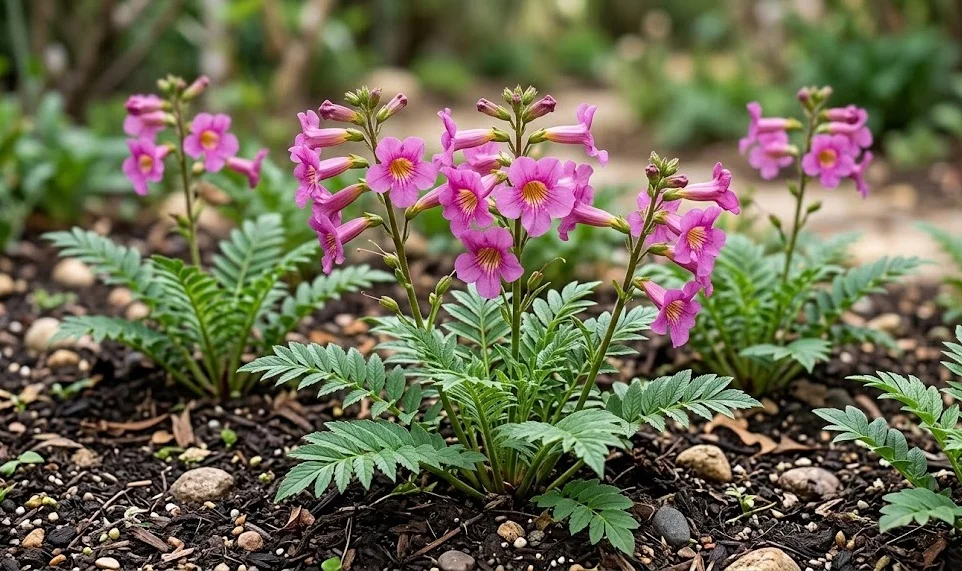
Finally, remember that the goal of pruning the chinese trumpet flower is to support its natural growth habit rather than forcing it into an artificial shape. The fern-like leaves and elegant flower stalks are beautiful in their own right and should be allowed to express their unique character. By providing the right amount of cleanup and care, you allow the plant to shine as a focal point in your garden. A well-pruned garden is a testament to the skill, patience, and professional standards of the person who tends it.