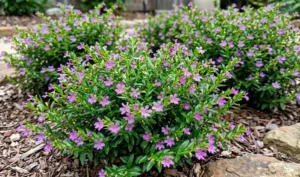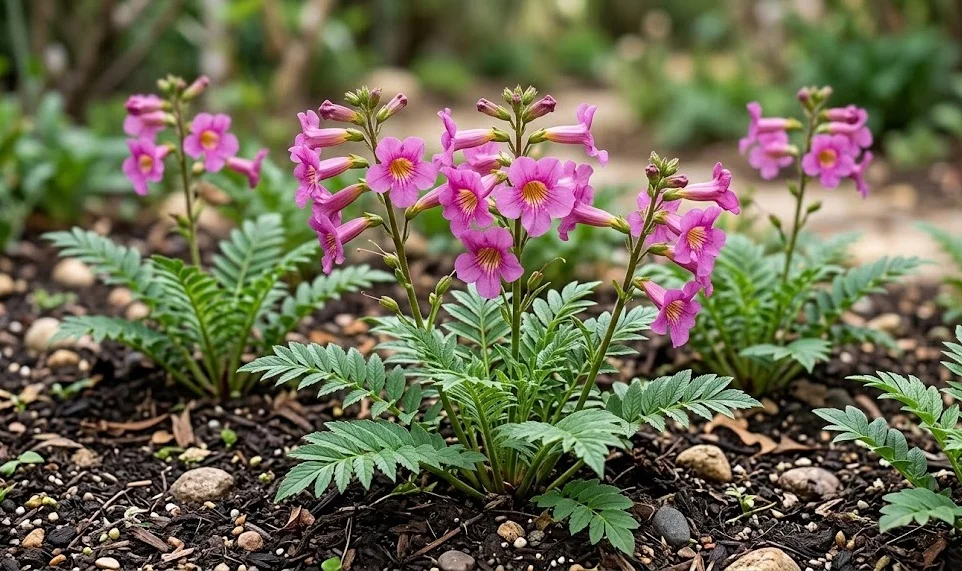

Maintaining the health and vibrancy of the chinese trumpet flower requires a nuanced understanding of its unique biological needs and seasonal cycles. This perennial plant is highly valued for its striking, exotic appearance and deep pink blooms that can transform any garden into a professional landscape. While it may look delicate, providing the right environmental conditions will ensure that it returns year after year with increasing vigor. Success begins with observing the plant’s reaction to its immediate surroundings and adjusting your care routine accordingly.
The physical structure of the plant is defined by its deep taproot, which acts as a primary storage organ for nutrients and moisture. Because of this root system, the plant is relatively resilient once established, but it also means that it does not tolerate being moved frequently. You should select a permanent home for it where the soil remains loose enough for the roots to penetrate deeply without obstruction. Proper care during the first growing season is crucial for the development of this root architecture, as it dictates the plant’s future survival during harsher weather conditions.
A professional approach to gardening involves recognizing that the foliage of the chinese trumpet flower is just as important as its blossoms. The fern-like leaves provide a lush green backdrop throughout the summer, contributing to the overall aesthetic even after the flowering period has ended. You must ensure that the leaves remain healthy and free from dust or debris to facilitate efficient photosynthesis and energy storage. Healthy foliage in the summer directly correlates to a more robust flowering display in the following spring, making consistent leaf care a top priority.
Establishing a routine for monitoring the plant will help you catch any potential issues before they become serious problems for the specimen. Checking the soil moisture levels and inspecting the underside of the leaves should become a weekly habit during the peak growing months. By staying proactive, you can ensure that the plant remains a focal point of your garden rather than a struggling after-thought. Consistent attention is the secret ingredient that separates a thriving garden from one that merely survives the season.
Soil quality and drainage management
The foundation of successful cultivation lies in the chemical and physical composition of the medium in which the plant grows. This species specifically demands a rich, loamy soil that provides plenty of organic matter while still allowing for rapid drainage. Heavy clay should be avoided at all costs, as it traps moisture around the crown and leads to rapid decay of the taproot. Adding a significant amount of coarse sand or perlite can help improve the internal structure of the soil if you are working with denser ground.
More articles on this topic
Nutrient availability is another critical factor that you must manage to achieve the best possible results with your chinese trumpet flower. Incorporating well-rotted compost into the planting site will provide a slow-release source of the essential elements needed for growth. It is also beneficial to check the pH levels of your soil, aiming for a neutral to slightly acidic range for optimal health. Regular soil testing can reveal hidden deficiencies that might otherwise stunt the plant’s development or reduce the number of blooms.
Drainage is perhaps the most significant environmental factor when it comes to long-term survival in various climates. You can improve drainage by planting the flowers in slightly raised beds or on a gentle slope where water cannot pool. If the garden sits in a low-lying area, consider installing a drainage layer of gravel beneath the planting hole to protect the sensitive roots. Waterlogged soil is the primary enemy of this plant, especially during the dormant period when the roots are most vulnerable to rot.
Understanding the relationship between soil temperature and root health will also give you an advantage in maintaining a healthy garden. Organic mulches such as shredded bark or leaf mold can help regulate the temperature of the ground, keeping it cool in summer and warm in winter. This layer also prevents the soil from compacting under the weight of heavy rainfall, preserving the airy structure the roots need. A well-managed soil environment acts as a protective buffer against the fluctuations of the external environment.
Seasonal transitions and growth cycles
As the seasons change, the requirements of the chinese trumpet flower shift to reflect its current stage of development. In the early spring, the plant begins to emerge from dormancy, requiring a gentle increase in attention and resources. This is the best time to clear away any remaining debris from the previous year to allow the new shoots to break through the surface easily. Watching for the first signs of green growth is an exciting moment for any gardener, signaling the start of a new cycle.
More articles on this topic
The peak flowering period usually occurs in late spring and early summer, demanding the most energy from the plant’s stored reserves. During this time, the plant benefits from a stable environment where it can focus entirely on producing its magnificent trumpet-shaped blooms. You might notice that the plant grows rapidly during this stage, often reaching its full height in just a few weeks. Maintaining a consistent environment during this transition is key to ensuring the flowers last as long as possible.
Once the flowering stage concludes, the plant enters a phase of resource accumulation where it prepares for the upcoming winter. The leaves remain active, capturing sunlight and converting it into energy that is moved down into the fleshy taproot. It is a common mistake to cut the plant back too early, as this deprives the root system of the energy it needs to survive dormancy. You should allow the foliage to yellow and die back naturally before performing any significant cleanup of the planting site.
Winter represents the period of deepest dormancy, during which the plant is almost entirely invisible above the ground. Even though there is no visible growth, the underground portions of the plant are still alive and require protection from extreme cold. This cycle of growth and rest is a natural process that should be respected and supported through proper gardening techniques. Understanding these phases allows you to work with the plant’s biology rather than against it.
Enhancing the visual display
To maximize the impact of the chinese trumpet flower in your landscape, you should consider its placement relative to other garden features. Its height and color make it an ideal candidate for the middle of a perennial border where it can stand out without being overwhelmed. Grouping several plants together can create a dramatic wash of color that draws the eye from across the garden. Thoughtful placement ensures that the plant’s beauty is fully appreciated during its relatively short but intense blooming window.
The contrast between the delicate flowers and the rugged foliage provides a professional aesthetic that works well in both modern and traditional gardens. You can enhance this contrast by planting lower-growing, fine-textured groundcovers around the base of the chinese trumpet flower. This not only highlights the plant’s structure but also helps to keep the root zone shaded and cool during the hot afternoon hours. Creating layers of texture and color is a hallmark of high-level garden design that any enthusiast can master.
Deadheading, or the removal of spent flowers, is a simple task that can significantly improve the appearance of the plant. By removing the fading blooms before they can set seed, you encourage the plant to direct its energy into maintaining its overall health. This practice also keeps the garden looking tidy and prevents the plant from looking ragged as the season progresses. While it may not always trigger a second flush of blooms, it certainly keeps the current display looking its best.
Supporting the stems might be necessary if the plant is grown in a particularly windy location or if the flower heads are exceptionally heavy. Using discreet stakes or circular supports can prevent the stems from flopping over and becoming damaged by contact with the ground. This is especially important during heavy summer rainstorms which can easily weigh down the large, bell-shaped flowers. Keeping the blooms upright ensures they remain visible and protected from soil splashes.
Managing the garden environment
The overall health of your plants is often a reflection of the general environment in which they are situated. Air circulation is frequently overlooked but is vital for preventing the buildup of moisture on the leaves, which can lead to various issues. You should ensure that the plants are not crowded too closely together, allowing a light breeze to move through the foliage. This natural ventilation helps to dry the plant quickly after rain or morning dew, reducing the risk of environmental stress.
Temperature fluctuations can sometimes cause the plant to react unexpectedly, such as wilting during a sudden heatwave. In such cases, providing temporary shade during the hottest part of the day can help the plant recover without lasting damage. This is particularly relevant if the plant is growing near a south-facing wall that radiates heat long after the sun has set. Monitoring the microclimate of your garden will help you identify these hotspots and take corrective action.
Competition from weeds can deprive the chinese trumpet flower of the space and nutrients it needs to flourish. Maintaining a clean garden bed by regularly pulling weeds by hand is the most effective way to protect your specimen plants. Be careful not to dig too deeply near the base of the plant, as you could accidentally damage the sensitive crown or the upper parts of the taproot. A thick layer of mulch is a professional way to suppress weed growth while simultaneously improving the soil.
Intervention should always be measured and based on the actual needs of the plant at any given moment. Over-tending can sometimes be just as harmful as neglect, so it is important to observe before acting. If the plant looks healthy and is growing well, it is often best to leave it alone and let nature take its course. Learning to read the subtle signs of the plant’s health is a skill that develops over time through experience and observation.
Companion planting and design
Choosing the right neighbors for your chinese trumpet flower can elevate the entire aesthetic of your garden beds. Plants with silvery foliage, like lavender or artemisia, provide a stunning backdrop for the vibrant pink or white flowers of this species. These companions often share similar drainage requirements, making them practical as well as beautiful partners in a perennial display. By selecting plants with complementary needs, you create a more stable and self-sustaining garden ecosystem.
Spring-flowering bulbs can also be planted around the chinese trumpet flower to provide interest before the main plant emerges. Since this perennial often starts its growth later in the spring, the bulbs can fill the empty space and then fade away as the larger foliage takes over. This succession of blooming ensures that there is always something to look at in that particular section of the garden. It is a clever use of space that maximizes the productivity of even small garden areas.
Avoid planting aggressive or fast-spreading groundcovers too close to the base of the plant, as they can compete for water and space. The chinese trumpet flower needs its own “breathing room” to develop its large leaves and sturdy flower stalks without being choked out. If you notice a neighbor is becoming too dominant, do not hesitate to prune it back or move it further away. Maintaining clear boundaries between different species allows each one to shine individually.
The overall goal of your garden design should be to create a harmonious environment where the chinese trumpet flower can be the star. Whether used in a rock garden, a cottage-style border, or a formal arrangement, its unique form offers endless possibilities for creativity. You should experiment with different combinations to see which colors and textures best highlight the exotic nature of the blooms. A well-designed garden is a source of pride and a testament to your skills as a horticulturalist.
Long-term health and sustainability
Ensuring the longevity of the chinese trumpet flower involves a commitment to sustainable gardening practices that support the entire lifecycle of the plant. Avoiding harsh chemicals and focusing on organic soil improvement creates a resilient environment that can withstand external pressures. This approach not only benefits the plant itself but also supports the local pollinators that are drawn to the large, nectar-rich flowers. A healthy garden is a living system that thrives when its natural balance is respected and maintained.
Over the years, you may find that the plant becomes more established and produces even more impressive floral displays. It is important to document its progress, noting when it blooms and how it responds to different weather patterns. This personal record-keeping is an invaluable tool for any serious gardener looking to refine their techniques. Every garden is unique, and your observations are the best guide for the future care of your specific plants.
Periodically assessing the site conditions is necessary to ensure they still meet the plant’s evolving needs as the garden matures. Surrounding trees or shrubs might grow and cast more shade than they did when you first planted the chinese trumpet flower. If the environment changes significantly, you may need to prune back the overhanging branches to restore the necessary light levels. Being mindful of these long-term changes will help you maintain a beautiful garden for many years to come.
Ultimately, the goal of caring for this remarkable plant is to enjoy the beauty it brings to your outdoor space. The effort you put into soil preparation, watering, and protection is rewarded every year when those first buds begin to open. Gardening is a journey of discovery and a way to connect with the natural world in a meaningful way. By following professional standards and staying attentive, you can master the care of the chinese trumpet flower and enjoy its exotic charm indefinitely.