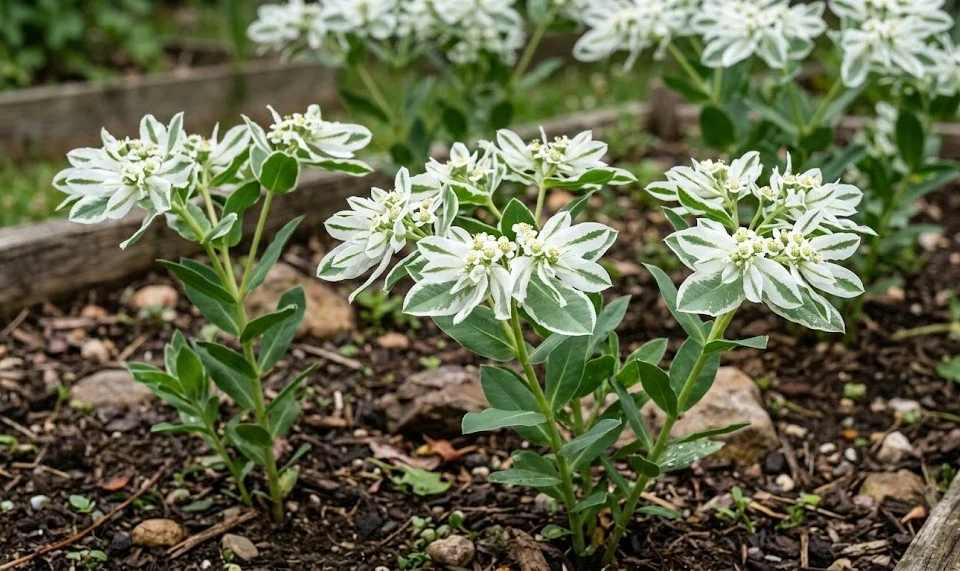

In most temperate climates, snow-on-the-mountain is treated as a hardy annual that completes its entire life cycle in a single season. However, understanding how to handle the transition into the colder months is important for maintaining the beauty of your garden. Since the plant is sensitive to freezing temperatures, you must decide how you want to manage its end-of-season care. Some gardeners prefer to let it self-seed, while others take steps to protect specific specimens for as long as possible.
Preparing for the first frost
As the autumn nights begin to cool down, you should keep a close eye on the local weather forecast for any frost warnings. The foliage of this plant will quickly blacken and die back once it is exposed to temperatures below freezing. If you have plants in containers, you can move them to a sheltered location or a porch to extend their life. Covering garden plants with a light fabric overnight can provide a few extra degrees of warmth during early cold snaps.
Collecting seeds for next year
One of the best ways to ensure the plant returns to your garden is to collect the seeds before the plant dies back. You will notice small pods forming after the flowers have faded, which eventually turn brown and dry out. Carefully harvest these pods and store them in a cool, dry place inside a paper envelope until the following spring. Labeling your seeds clearly will help you remember exactly what you have saved when planting season arrives again.
More articles on this topic
Indoor transition steps
If you wish to try keeping a specific plant alive indoors, you must bring it inside well before the first frost occurs. You should check the plant thoroughly for any hitchhiking pests that might want to enter your home environment. Place the pot in a very bright window where it can receive several hours of direct sunlight every day. Be prepared for some leaf drop as the plant adjusts to the lower humidity and different light levels inside.
Natural self-seeding process
Many gardeners find that this plant is excellent at sowing its own seeds for the following growing season without any help. If you leave the dried seed pods on the plant, they will eventually burst and scatter the seeds across the soil. This creates a more natural and informal look in your garden as new plants emerge in the spring. You can simply thin out the seedlings later if they appear in areas where you do not want them to grow.