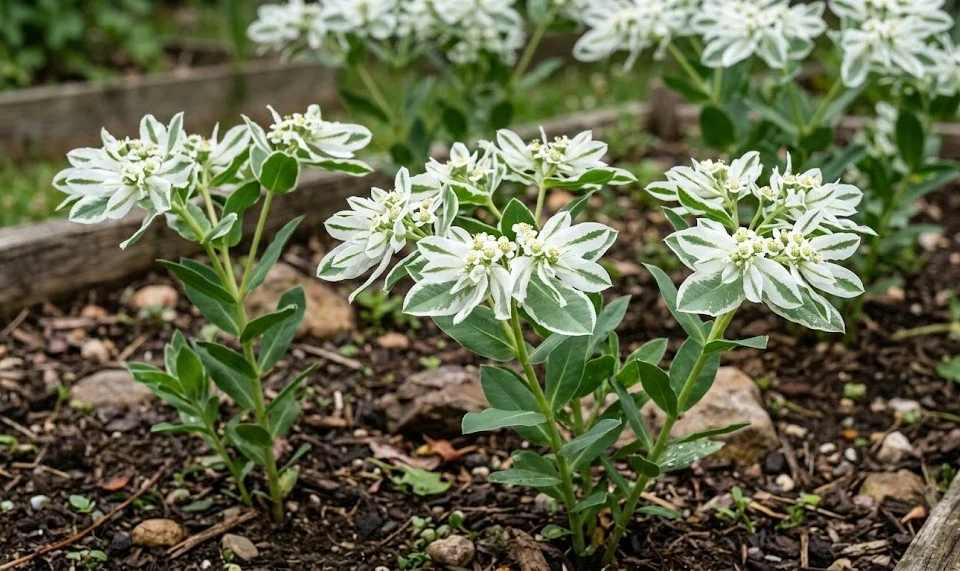

Proper hydration and nutrition are the twin pillars of maintaining a vibrant and healthy garden specimen throughout the year. While snow-on-the-mountain is somewhat drought-tolerant, it will look much better if provided with a regular supply of moisture. Balancing the amount of water with the correct nutrients ensures that the foliage remains lush and the variegation is bright. Developing a consistent routine will help you avoid the common pitfalls associated with over or under-tending your plants.
Effective watering strategies
You should aim to water the plants early in the morning so that the foliage has time to dry before nightfall. Directing the water at the base of the plant is much more effective than using overhead irrigation methods. This technique helps to prevent the development of leaf diseases that thrive in damp, cool night conditions. During periods of extreme heat, you may need to increase the frequency of your watering to prevent wilting.
Identifying moisture stress
Plants will often give you visual cues when they are not receiving the correct amount of water in their environment. If you notice the leaves drooping significantly in the afternoon, it might be a sign that the soil is too dry. Conversely, yellowing leaves can sometimes indicate that the roots are sitting in water that cannot drain away properly. Checking the soil moisture manually with your finger is a reliable way to gauge the needs of the plant.
More articles on this topic
Choosing the right fertilizer
A balanced, all-purpose fertilizer is usually sufficient to support the growth of this hardy annual species. You should look for a product that provides equal parts nitrogen, phosphorus, and potassium for overall health. Applying a slow-release formula at the time of planting can provide a steady stream of nutrients over several weeks. Avoid using fertilizers with excessively high nitrogen content, as this might encourage leggy growth at the expense of color.
Application timing and frequency
Consistency is key when it comes to feeding your plants during their most active stages of development. You can apply a water-soluble fertilizer every four to six weeks to maintain the vigor of the foliage. It is important to water the soil before applying any liquid feed to prevent potential root burn from the chemicals. As the season winds down and the plant reaches maturity, you can gradually reduce the frequency of fertilization.
More articles on this topic
Nutrient balance and soil health
Healthy soil naturally contains many of the minerals that your plants need to grow strong and beautiful. Adding organic mulch around the base can help regulate soil temperature while slowly releasing nutrients back into the earth. You should avoid over-fertilizing, as this can lead to a buildup of salts in the soil that may harm the plant. Observing the overall color and strength of the stems will tell you if your feeding schedule is working effectively.