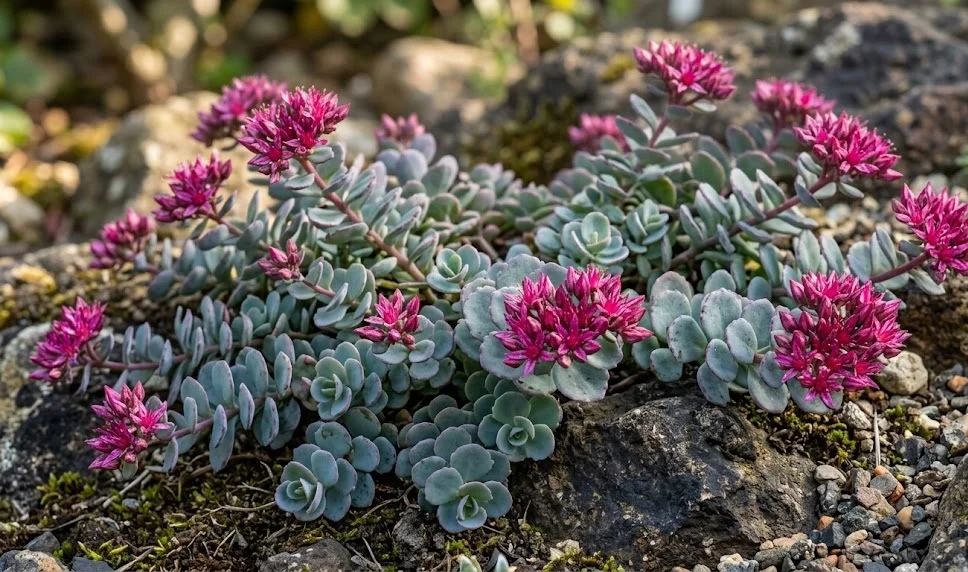

The transition from autumn to winter brings a unique set of challenges for gardeners who want to ensure their perennials return with vigor in the spring. Japanese stonecrop is a remarkably cold-hardy plant, but proper preparation is still necessary to protect it from the extremes of the winter season. Understanding the physiological changes the plant undergoes during dormancy will help you provide the right level of care. This article details the essential steps for successfully overwintering this beautiful succulent in various climates.
Preparing for the dormant season
As the days grow shorter and the temperatures begin to drop in late autumn, the Japanese stonecrop naturally starts to prepare for its winter rest. You will notice the vibrant colors of the flowers fading and the stems beginning to dry out as the plant pulls its energy back into the root system. This is the ideal time to perform a final inspection of your garden beds to ensure everything is in order before the first hard frost. Remove any fallen leaves from taller trees that might have collected on top of your succulents, as these can trap moisture and cause rot.
Avoid the temptation to do any heavy pruning or fertilization during this late stage of the growing season. New growth stimulated by fertilizer is soft and highly susceptible to frost damage, which can weaken the overall health of the plant. Instead, let the foliage die back naturally, as this provides a bit of organic protection for the crown during the initial cold snaps. Your goal is to encourage the plant to enter a deep, stable dormancy that will protect it until the warmth of spring returns.
Watering should be gradually reduced as the weather cools, mirroring the plant’s decreased need for moisture during the shorter days. The soil should be allowed to dry out almost completely before the ground freezes for the winter. In many regions, natural autumn rainfall is more than enough to sustain the plant during its transition into dormancy. Maintaining a drier soil environment is the best way to prevent the devastating effects of crown rot that can occur in cold, wet conditions.
If you have your stonecrop growing in containers, you may need to take a slightly different approach to preparation. Pots are much more exposed to temperature fluctuations than the ground, and the roots can freeze more easily. Consider moving smaller containers to a more sheltered spot, such as against a south-facing wall or into an unheated garage or shed. This extra layer of protection can make a significant difference in the survival rate of container-grown succulents in colder zones.
More articles on this topic
Cold tolerance and hardiness zones
The Japanese stonecrop is generally rated for USDA hardiness zones 4 through 9, making it a versatile choice for a wide range of climates. In these zones, the plant can withstand freezing temperatures without any specialized protection, provided it is planted in well-draining soil. The ability of the roots to survive in frozen ground is one of the key adaptations that allows this species to thrive in its native rocky habitats. Understanding your local hardiness zone is essential for knowing what to expect during a typical winter.
In colder regions (zones 4 and 5), the plant will disappear completely from the surface during the winter months. This is a perfectly normal survival strategy, and you shouldn’t be alarmed when the visible parts of the plant wither away. The real life of the stonecrop is hidden safely underground in the thick, fleshy roots and the central crown. As long as the root zone doesn’t become waterlogged and freeze into a solid block of ice, the plant will emerge again in the spring.
In warmer zones (zones 8 and 9), the plant may remain semi-evergreen or go through a much shorter period of dormancy. Even in these milder climates, the plant still benefits from a period of rest to reset its biological clock for the next growing season. You might still see some foliage throughout the winter, although it may take on a purplish or bronze hue due to the cooler temperatures. Regardless of your zone, the principle of minimal intervention during the winter remains the most important rule of care.
Extreme weather events, such as deep freezes or prolonged periods of heavy snow, can test even the hardiest of plants. Fortunately, a blanket of snow can actually act as an excellent insulator, protecting the ground from the most intense cold and wind. If you live in an area with very little snow but extreme cold, you might need to provide some artificial insulation for your plants. This proactive approach ensures that even the most severe winters don’t claim your favorite garden specimens.
More articles on this topic
Mulching and protective techniques
While Japanese stonecrop is hardy, a thin layer of mulch can provide an extra layer of security for the crown during the winter. Inorganic mulches, such as pea gravel or crushed stone, are the best choice for succulents because they don’t hold onto moisture. These materials help to stabilize the soil temperature and prevent the “heaving” that can occur when the ground freezes and thaws repeatedly. Heaving can sometimes push the plant’s crown out of the ground, exposing the delicate roots to the drying winter air.
Avoid using heavy organic mulches like wood chips or thick layers of bark, as these can trap too much moisture against the stems. If moisture is held against the plant in cold weather, it creates the perfect conditions for fungal pathogens to take hold and rot the crown. If you must use organic mulch for aesthetic reasons, keep it several inches away from the base of the plant. A clean, gravelly surface is always the preferred winter environment for any member of the Sedum family.
For newly planted specimens that haven’t yet established a deep root system, a bit of extra protection can be helpful during their first winter. You can use a lightweight frost cloth or even a few evergreen branches placed over the plant to provide a windbreak. This is especially important in areas that experience cold, drying winds that can desiccate the dormant tissue. Be sure to remove these covers as soon as the weather begins to warm up in late winter to prevent overheating.
Another technique for protecting your plants is to ensure they are sited correctly before winter even arrives. Planting them in the lee of a large rock or near a building foundation can provide a slightly warmer microclimate that buffers the worst of the cold. These “thermal masses” absorb heat during the day and release it slowly at night, providing a more stable environment for the roots. Small adjustments in placement can have a big impact on the long-term sustainability of your garden.
Spring recovery and revival
As the days begin to lengthen and the soil starts to warm in late winter or early spring, you will soon see signs of new life. The first buds will emerge from the crown, often looking like small, succulent rosettes huddled close to the ground. This is the signal that the overwintering process was successful and that the plant is ready for a new season of growth. This moment is one of the most rewarding for any gardener, as it confirms the resilience of the natural world.
Once the danger of a hard frost has passed, you can begin to clear away any remaining dead stems or debris from the previous year. Use a sharp pair of garden shears to cut back any old, dried-out growth to just above the level of the new buds. This tidying up process not only makes the plant look better but also allows more light and air to reach the new shoots. Be careful not to damage the tender new growth as you work around the base of the plant.
If you moved any containers into a sheltered spot for the winter, this is the time to gradually reintroduce them to their outdoor locations. Start by putting them in a shaded, protected spot for a few hours a day before moving them back into full sun. This “hardening off” process prevents the new growth from being shocked by the sudden change in light and temperature. Check the moisture level of the soil, as container plants often need a good drink once they start growing again.
Feeding the plant with a light application of compost or a balanced fertilizer in early spring will provide the nutrients needed for a strong start. However, remember the “less is more” rule and don’t overdo it, especially if your soil is already healthy. With the winter behind it and a fresh supply of nutrients and light, your Japanese stonecrop will quickly grow into a lush, beautiful part of your landscape. Successful overwintering is the foundation for a spectacular late-season floral display.